Quaint streets, Gothic architecture, and tranquil canals awaited us in Bruges, the second stop on our tour of Belgium.
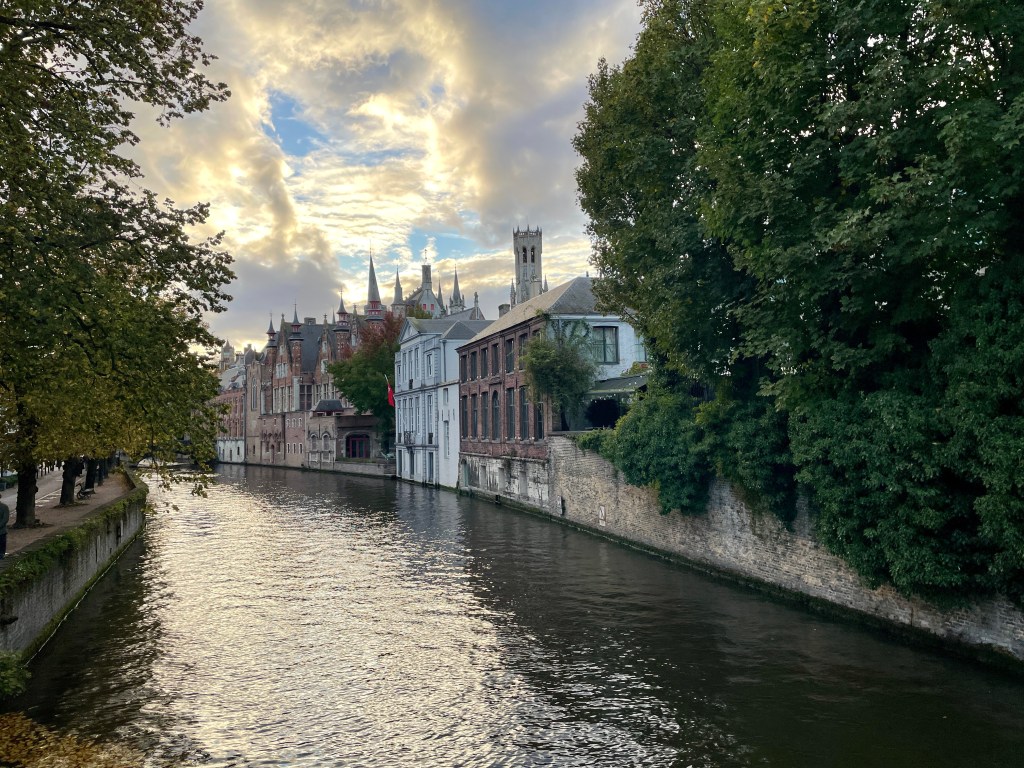
The train ride from Antwerp to Bruges (pronounced BROO-GUH by locals) was direct and we arrived to our cozy Airbnb on a beautiful afternoon. The autumn weather, once again, remained in our favor. Immediate priorities included Belgian waffles and the Madonna of Bruges.

Continuing my unofficial art history tour of the Belgium, the Madonna of Bruges was not to be missed. Michelangelo’s statue of the mother and child, the first to leave Italy in his lifetime, stands just over four feet tall (below, right).
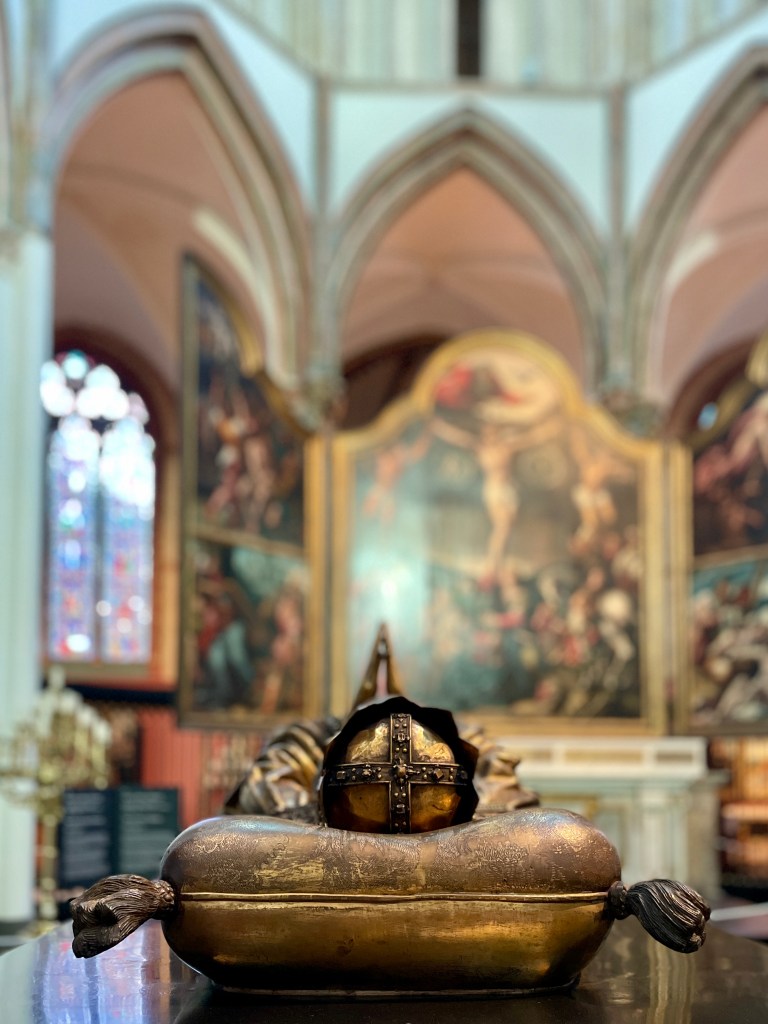
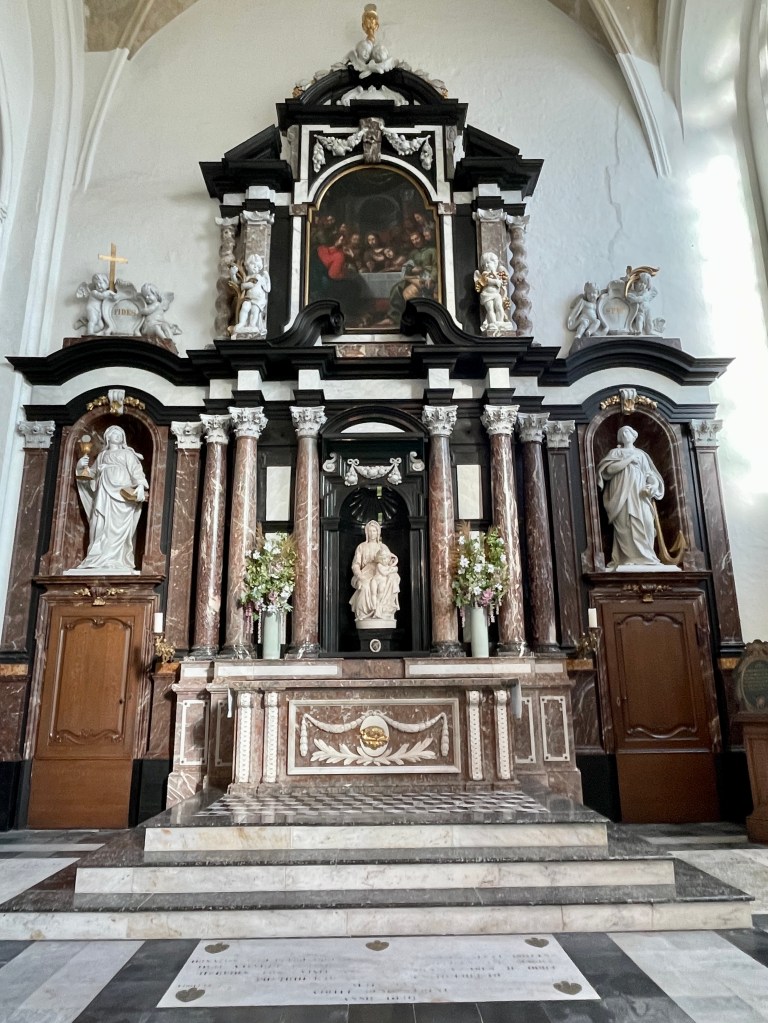
Stolen by the Nazis in WWII, she was recovered from a salt mine in Altaussee, Austria, by the famed Monuments Men, a group of British and American art historians, architects, museum curators and professors who saved countless works of art during the final days of WWII. Returned to Bruges, today the Madonna sits upon a throne worthy of her fame in the Church of Our Lady.
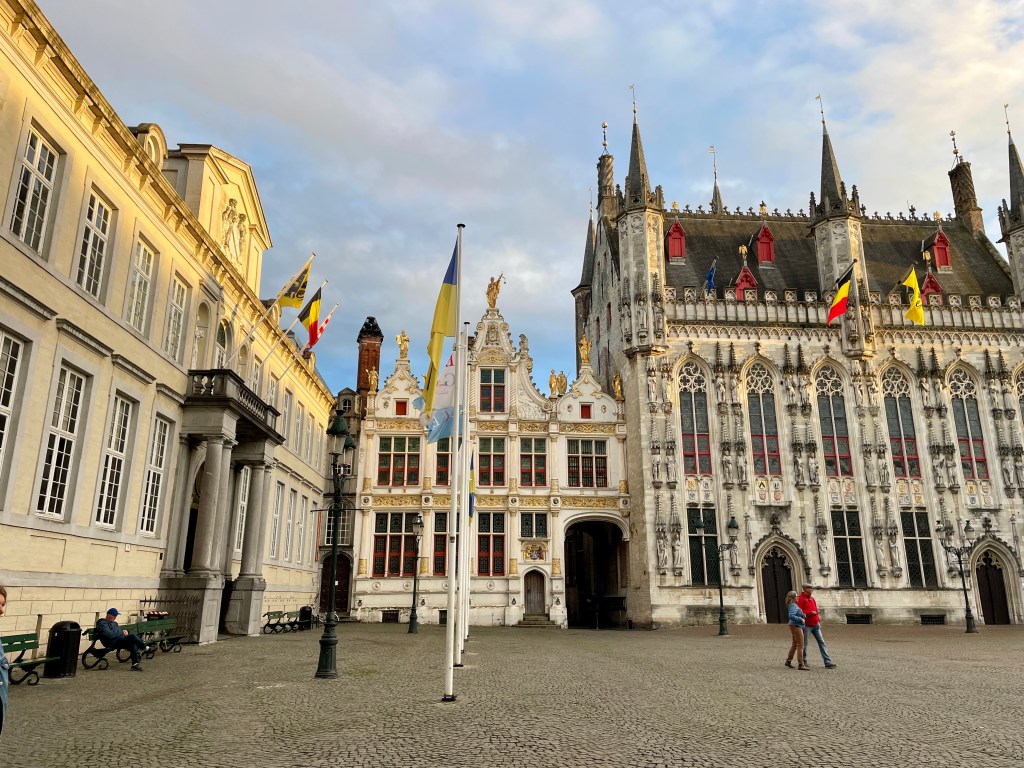
Despite the late October date, the narrow cobblestone streets of Bruges were still very busy with tour groups. Owing to Bruges’ proximity to the sea – only 11km from the coast – I cannot imagine navigating the town during peak cruise season.
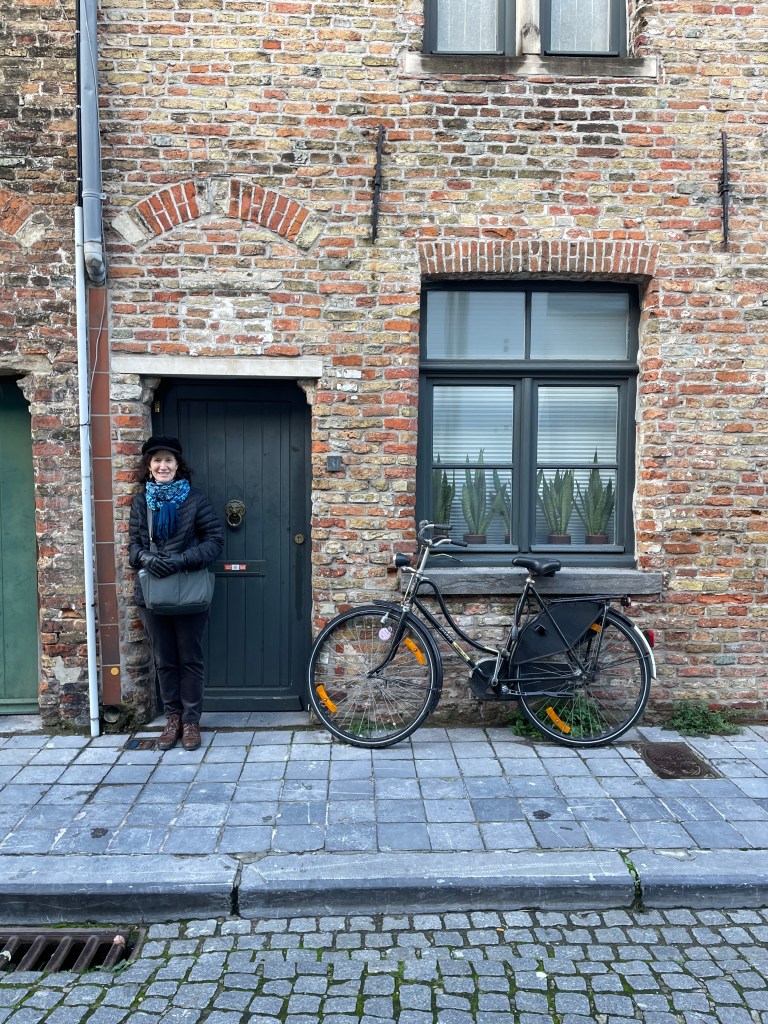
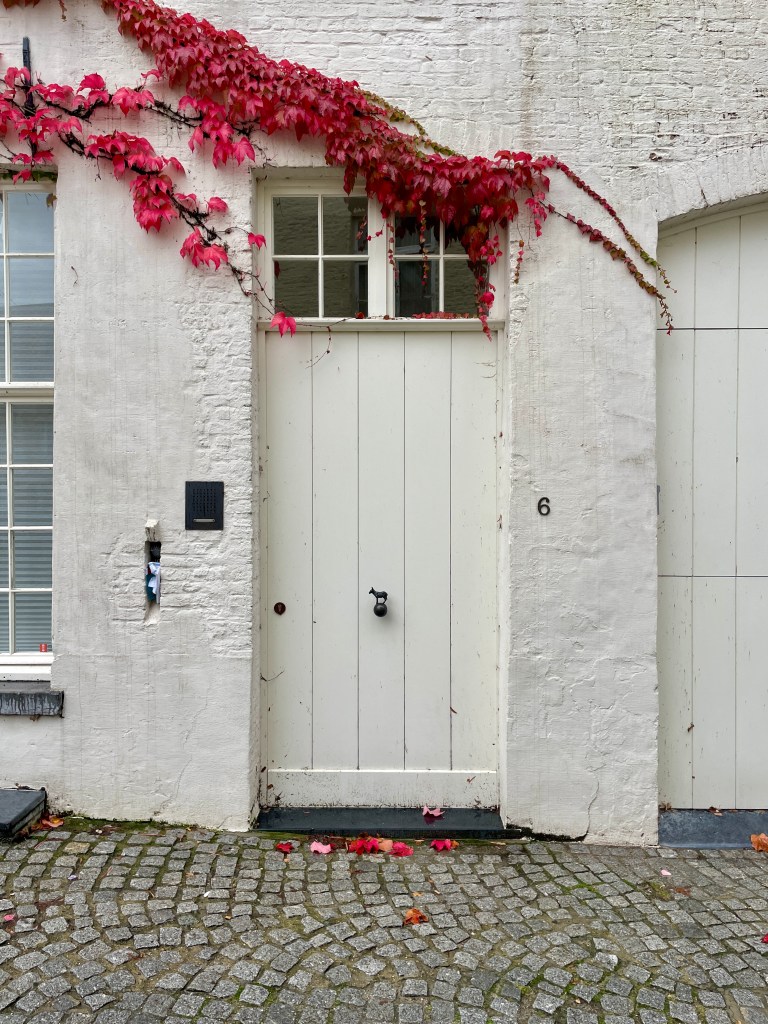
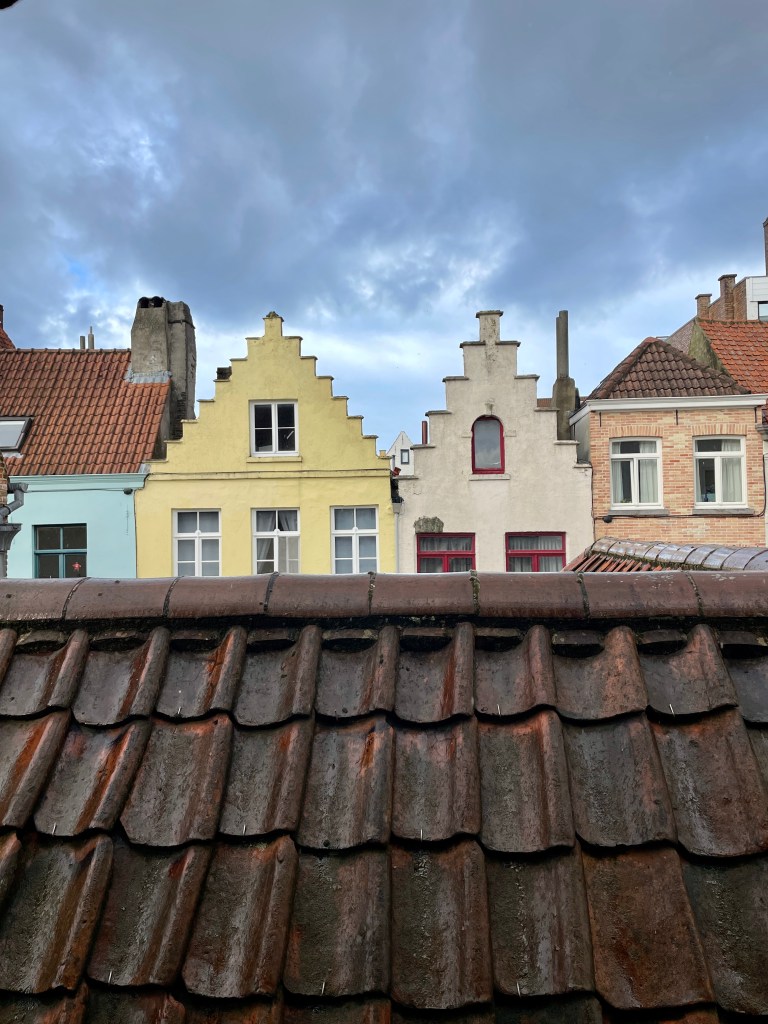
Happy to avoid the crowds, Mom and I wandered the quiet back streets, taking in the architecture and stumbling upon an adorable paper shop, Alfa Papyrus. We got lost among the handprinted cards and notebooks, talking at length with the shopkeeper and artist-in-residence.
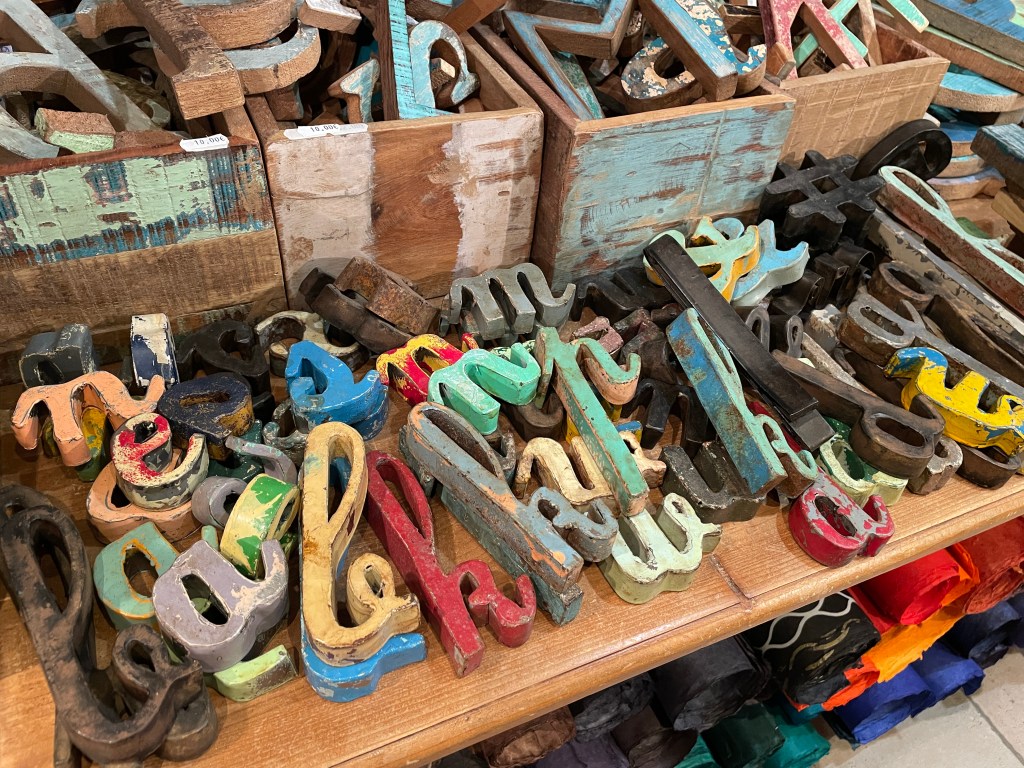
Upon exiting, I determined it was time to find a Belgian beer. We reached Cafe Rose Red just as dusk was falling. Every bit as warm and inviting as its name, the cafe is situated at street level within the Hotel Cordoeanier.
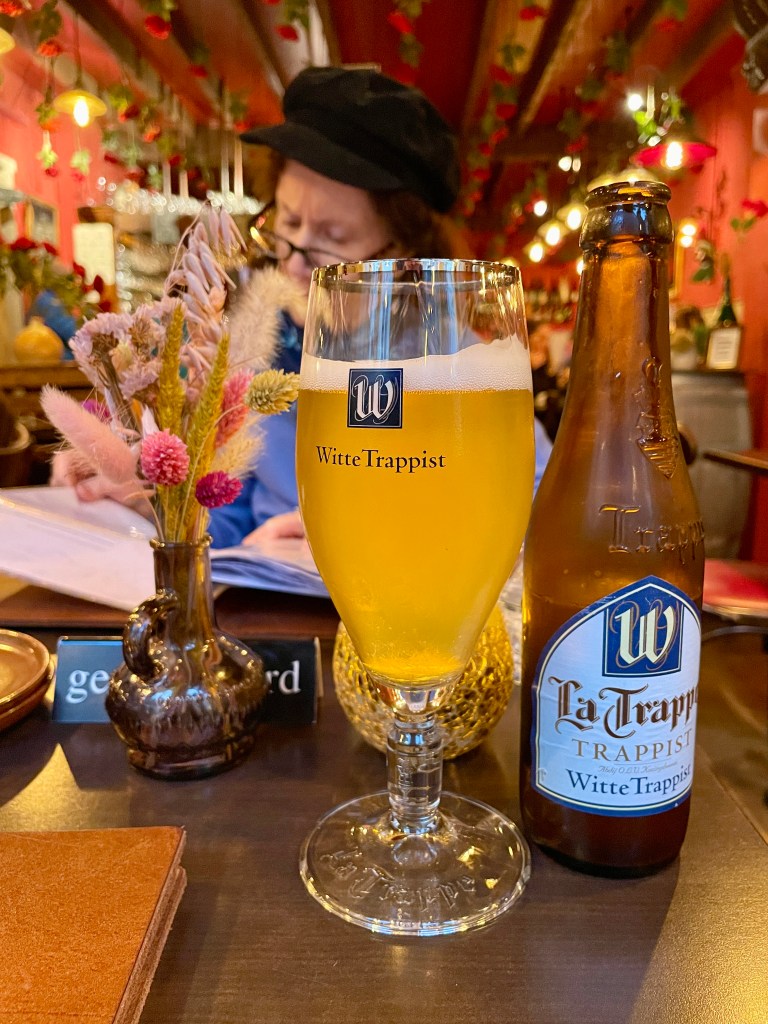
As we were early birds, kind waiter let us take a table for a few hours and we tucked into frites (another Belgian classic) and Trappist beers. As the menu states, Trappist beer must be brewed within the walls of an abbey under the supervision of a monastic community. A word to the wise – Bruges is mad about dinner reservations and shops close at 7pm!
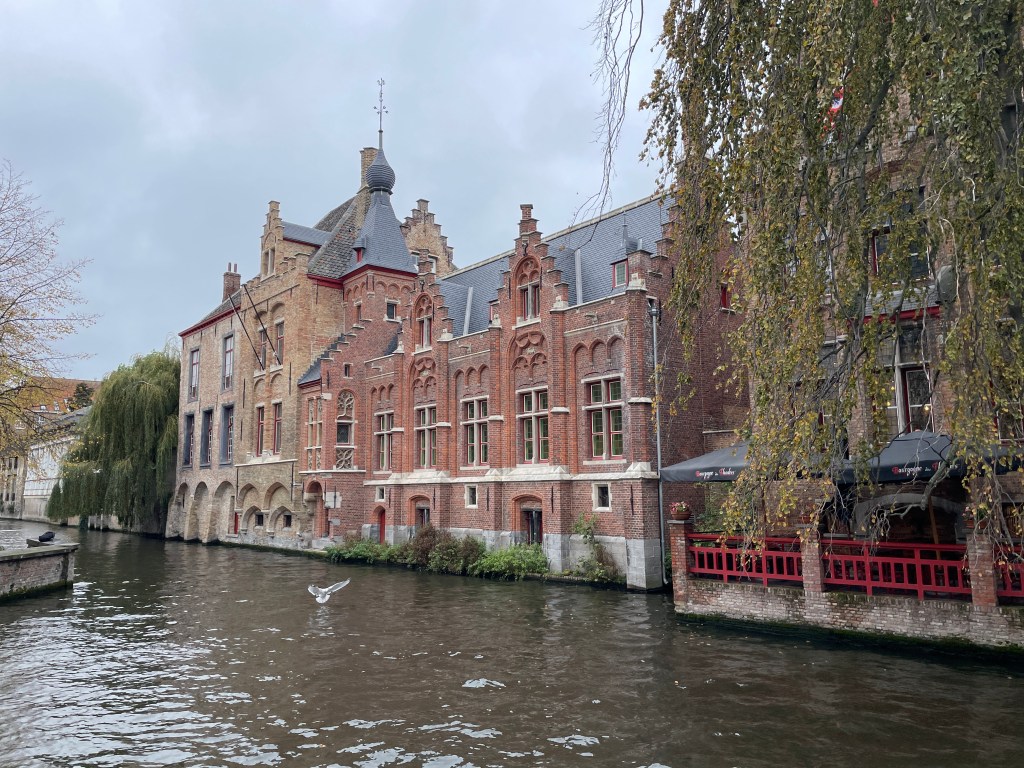
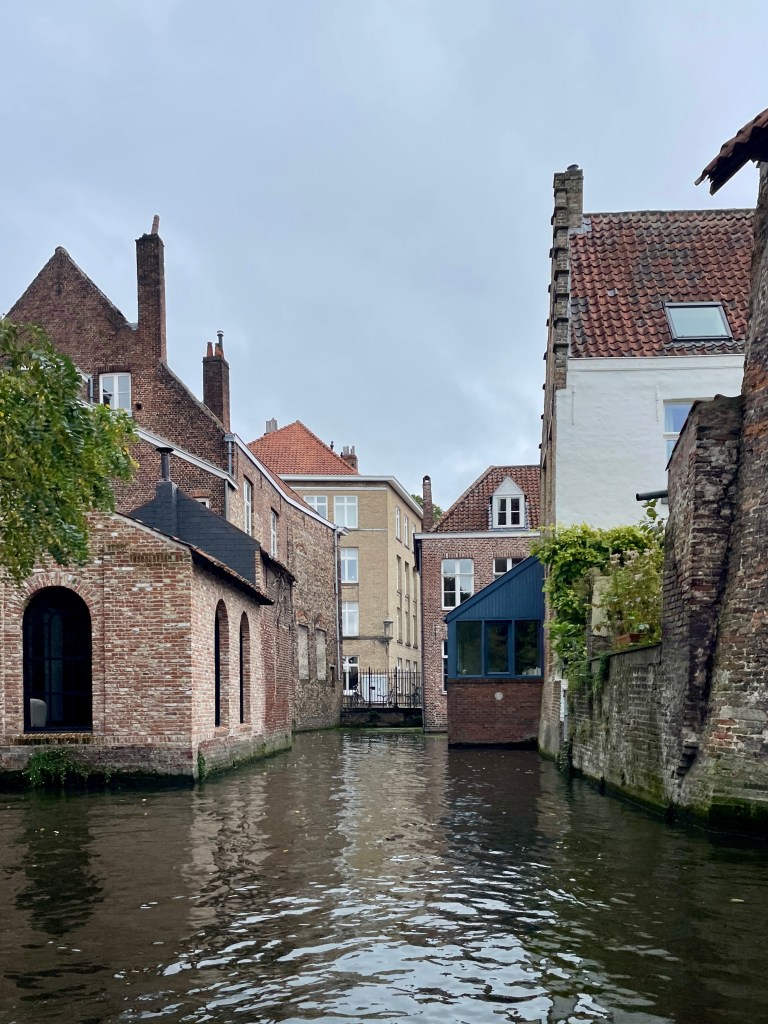
The next day, we took walking and boating tour of the city which met in the main market square. The square is notably helmed by the Bruges Belfry (of In Bruges fame). No better way to see a city than by water.
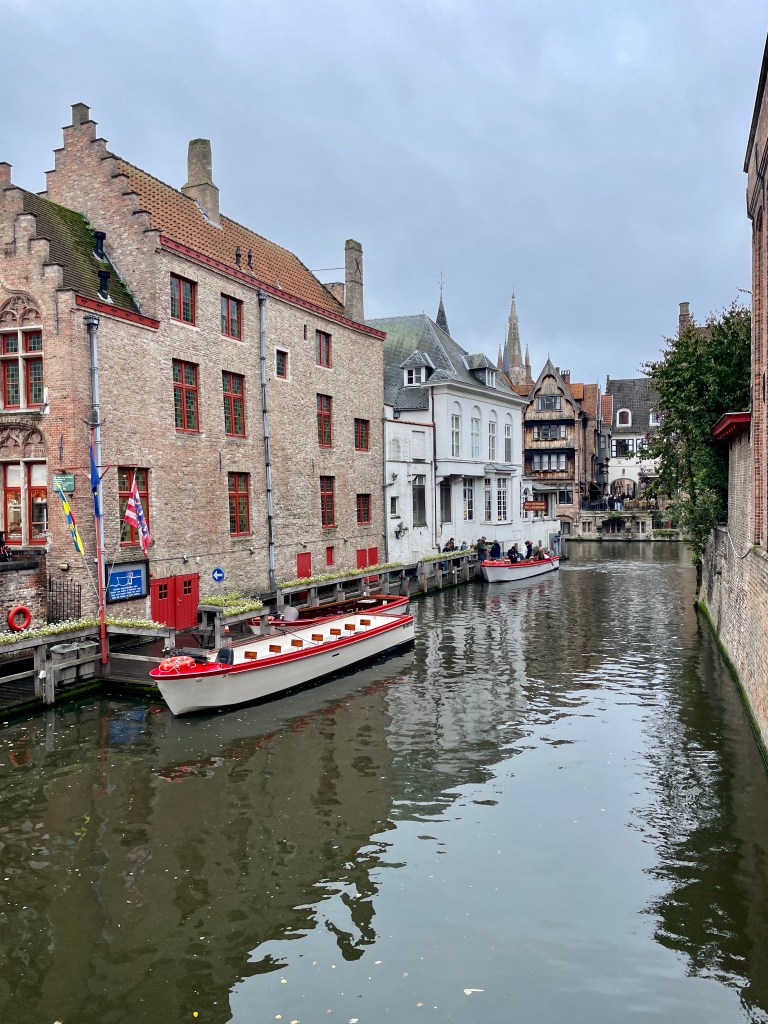
Our local guide, Jacques, began by answering one of our burning questions – what is the difference between Flemish and Belgian? Short answer: Flemings (as they’re known) are a regional subculture within Belgium. They have their own language (the southern variant of Dutch) and customs. This also helped answer our second question – what language is spoken in Belgium?

Turns out 3/5 of Belgium speaks Dutch. A third of the country speaks French and 1% of the country speaks German. Silly me, I had expected to rely on my high school French to get us by. With the language question put to rest, we settled in to enjoyed the rest of our time in Bruges. An evening stroll under a velvety blue sky capped off our stay.
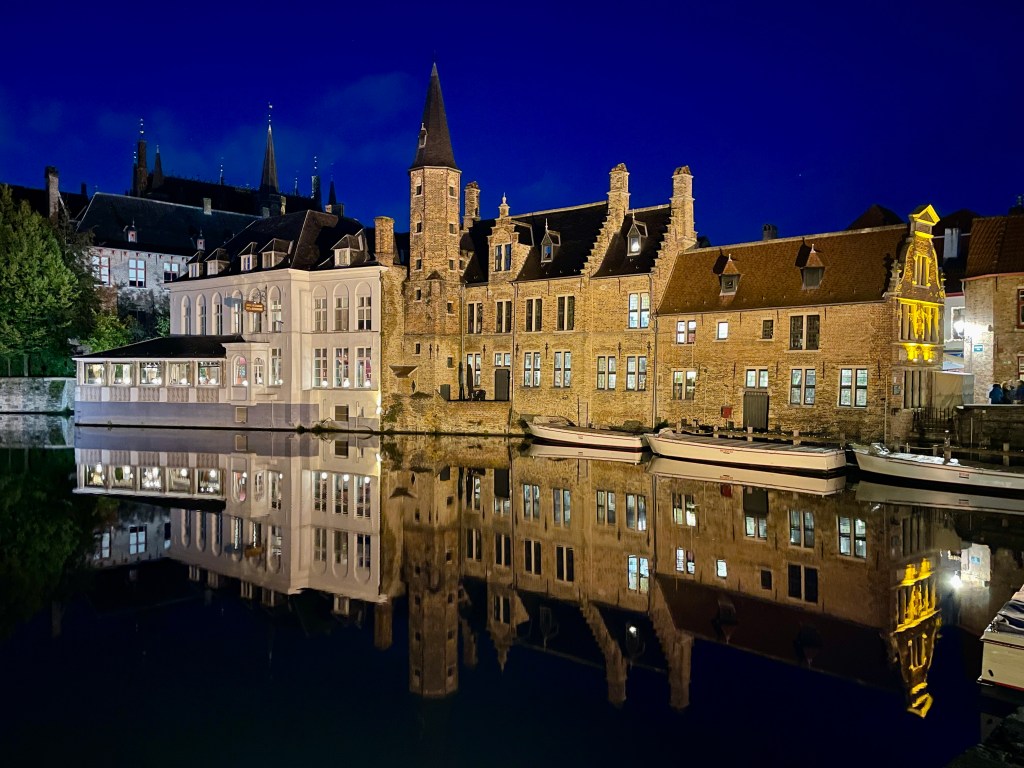
All too soon it was time to say goodbye to lovely Bruges. The next stop on our art history tour – The Ghent Altarpiece – beckoned and we were all too happy to answer the call.


 The Turquoise Chronicles
Pictures worthy of a tour book!
LikeLike
Thank you, Michael! That means a lot 🙂
LikeLike
Dearest Meg~
Again, You have put together a top drawer travel monologue w historical references. Love how these tie together
Namasté. Meeow Fondly with Love ❤️
Donna&Mark&Trixie
LikeLike
Thank you, Donna! I’m so glad you and Mark enjoy the blog 🙂 It’s really fun to write it. Another coming shortly!
LikeLike
You are such a talented human, Meg. The writing, photos and artistic perspective bring your travels to life for me as a reader. Thank you for sharing your adventures!
Trish
LikeLike
Thank you, Trish! That is so kind of you to say. I love writing the blog and I’m so glad you enjoy reading it!
LikeLike