Back in early September, as I began to brainstorm fall break destinations, Bulgaria sat firmly atop my list. I’d long heard that Sofia, the capital city, would be my kind of town – slightly rough around the edges with a good art scene, cafe culture, and plenty of green space. Bulgaria borders Turkey, Greece, and Romania, all colorful countries in their own right. I knew it was a former Communist Bloc state and the purported home of Viktor Krum. My new neighbor to the north beckoned and I accepted.
Having been landlocked in South Korea and restricted from exiting Russia by rail, I was eager to find a train which ran in between Istanbul and Sofia. Following a thin trail of websites, travel blogs and YouTube vlogs, I discovered the Sofia Express. The overnight journey would take roughly 12 hours and I was warned to bring my own food – there would be no dining car. There are two ways to purchase tickets for the Sofia Express and both involved in-person purchases at train station ticket windows. For anyone interested, you can find the details at the end of this blog.
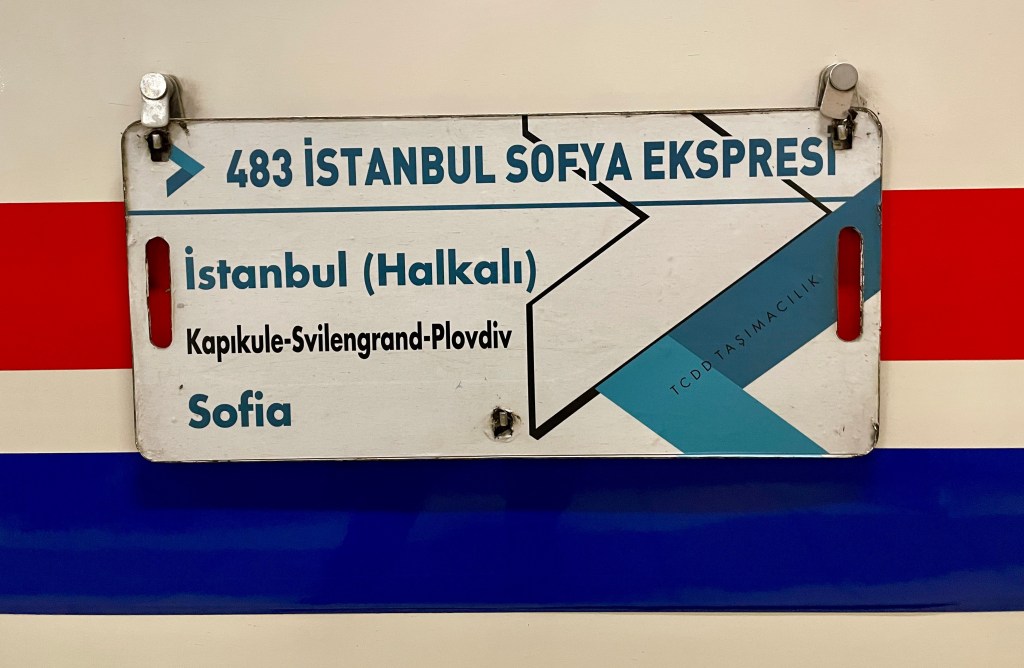
Fall break arrived and I boarded the Sofia Express at Istanbul’s Halkalı railway station for a 8:40pm departure. I had opted to purchase a full sleeper cabin for myself for security reasons and the cost totaled to $128 for the roundtrip journey. Pulling down the seats to create my bed, I made up the lower bunk as we got underway. Sailing past my school on the outskirts of town, we headed due west towards Bulgaria.
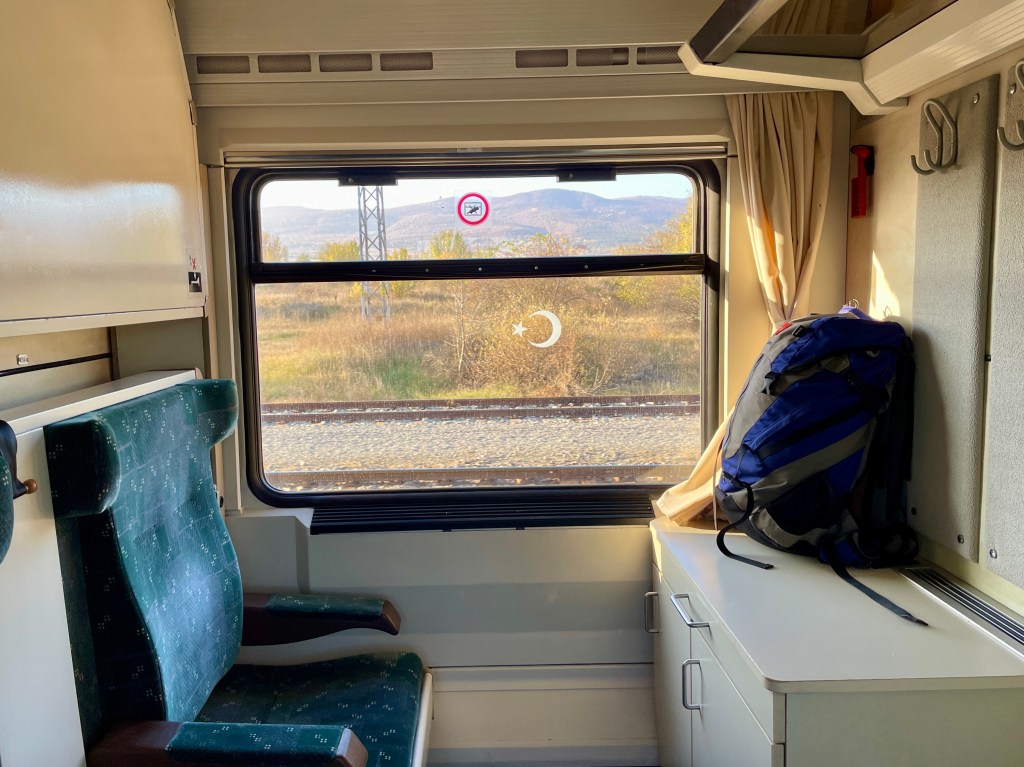
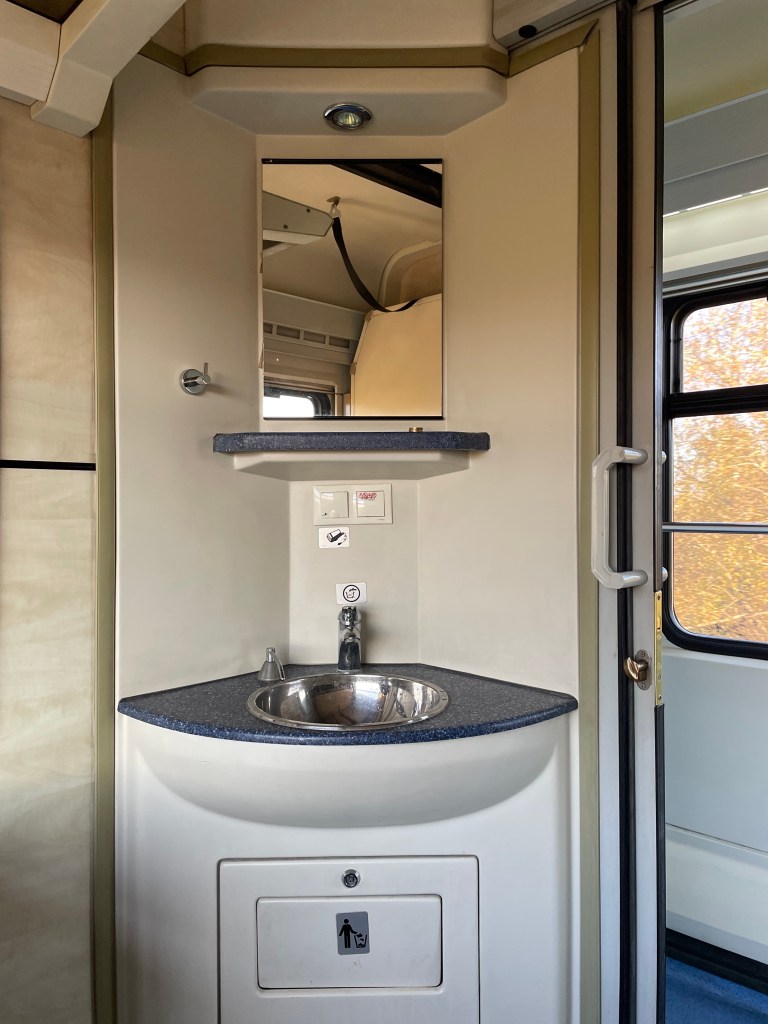
The Bulgaria-Turkish border intersects at the town of Edirne, which just narrowly skirts the edge of eastern Greece. Disembarking at the first border crossing, you are stamped out of Turkey by passport control around 1am. After settling back into your train berth about an hour later, the train rolls on for few kilometers and then begin the knocks from the Bulgarian border guards. These guys kindly take your passport away to stamp it and return it to you about an hour later. The whole procedure takes nearly three hours in total – not a smooth night of sleep, I’m afraid. But it could have been – the cabin beds were comfortable (for someone of my shorter stature) and very clean. The private sink and tiny fridge were nice features as well.
After a few hours of sleep, I awoke to the golden glow of the Bulgarian countryside. Mountains wrapped in orange ringed the edge of my horizon and fall was in full effect. We rolled past harvested fields but otherwise there was little trace of humanity beyond our train tracks.

As we approached a number of small towns on the outskirts of Sofia, the homes reminded me of the dachas (country homes) outside of Moscow. The graffiti soon appeared, tags upon tags blanketing bridges and the side of the tracks. Cyrillic text took me right back to Russia.
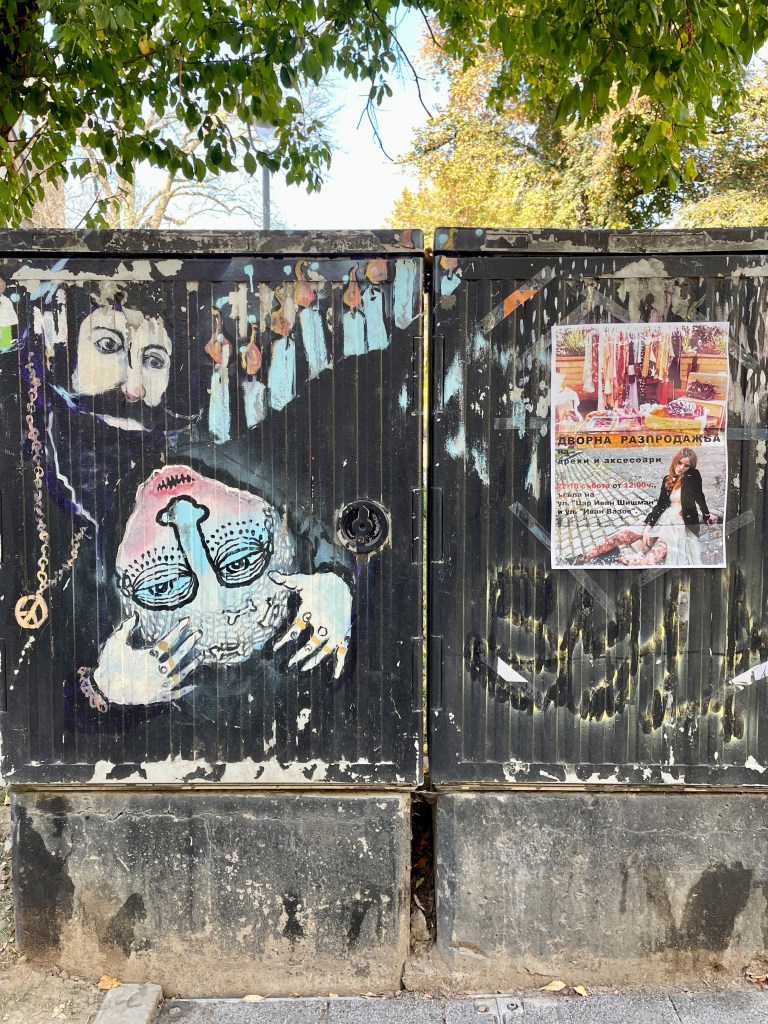
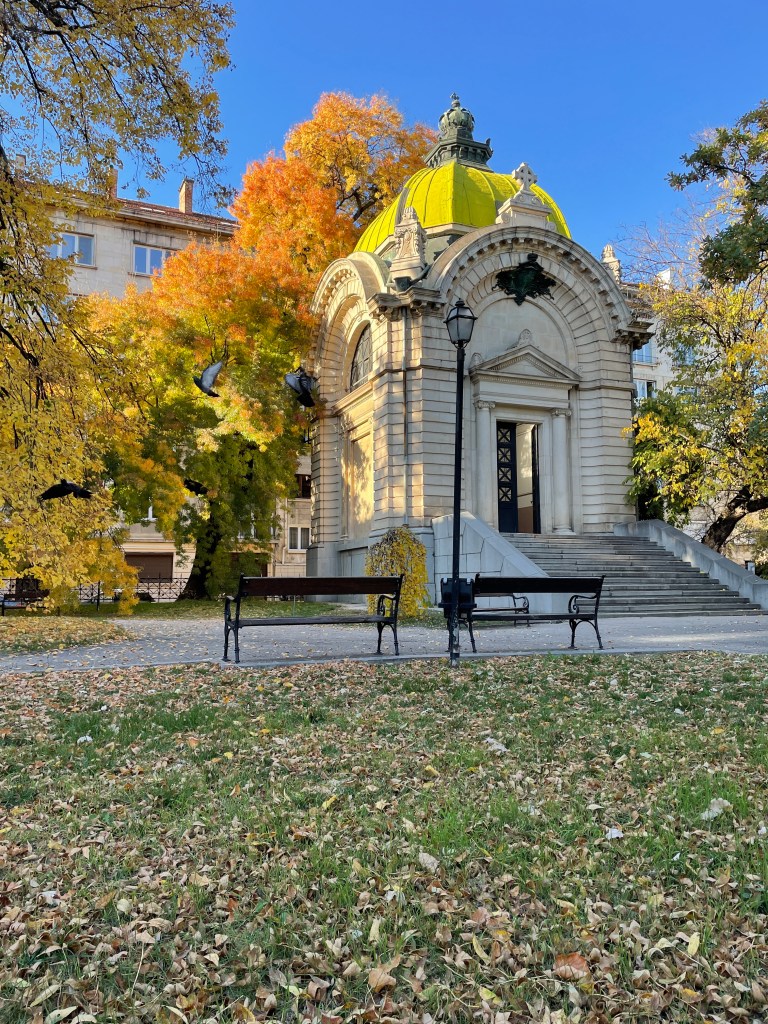
We rolled into Sofia’s Central Station around 10am and I set off on foot for downtown. Having no Bulgarian lev (local currency) and hours until my AirBnB was available, I made the most of the fairly flat walk, soaking in the beautiful foliage among the classical buildings.
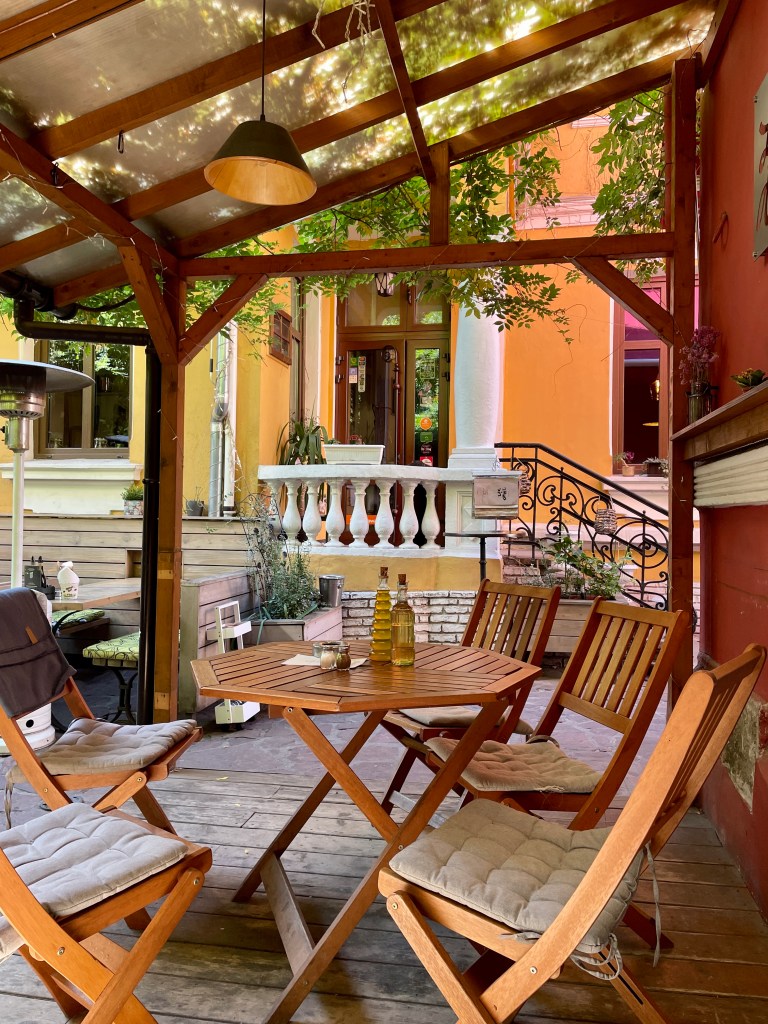
With no visa required for Americans, my travel preparations consisted of downloading the Google map of Sofia (a helpful thing to do when you don’t have wifi). I make sure to bookmark local cafes, bookstores, and art shops. These spots are great not only for my own hobbies but also for getting recommendations from friendly shopkeepers. My Sofia bookmarks included: Altruist (cafe with a patio out back), Slanchogled Sofia (art store), and The Elephant Bookstore (English titles). At the latter, the owner recommended The Little Things (pictured below), a sweet courtyard cafe where I found a cup of tea and lunch to get my trip started right.
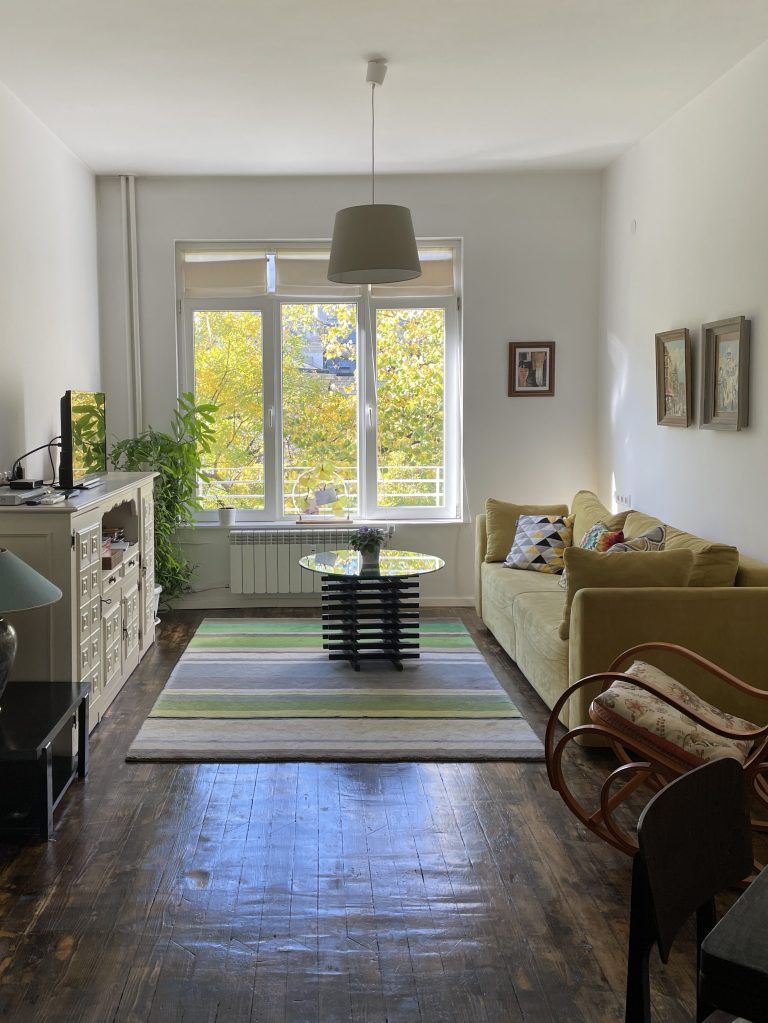
Sold by the views of St. George’s Orthodox Church, my AirBnb was located in a residential neighborhood just off a main thoroughfare. The graffiti that blankets the city can give off an initially nefarious vibe, but I quickly realized that this was a cozy spot, with residents walking their dogs in the evenings and a wine bar just around the corner. I awakened to the ringing of church bells each morning.
I met up with my friend Linda soon after checking in. A Canadian who is married to a Bulgarian, Linda has lived in Sofia for over 20 years. Our paths have crossed at a number of conferences over the years and we caught up over dinner and drinks, having not seen each other since before the pandemic began. She approved of the walking tours I had lined up and recommended a bunch of great restaurants to check out. Nothing like advice from a local!
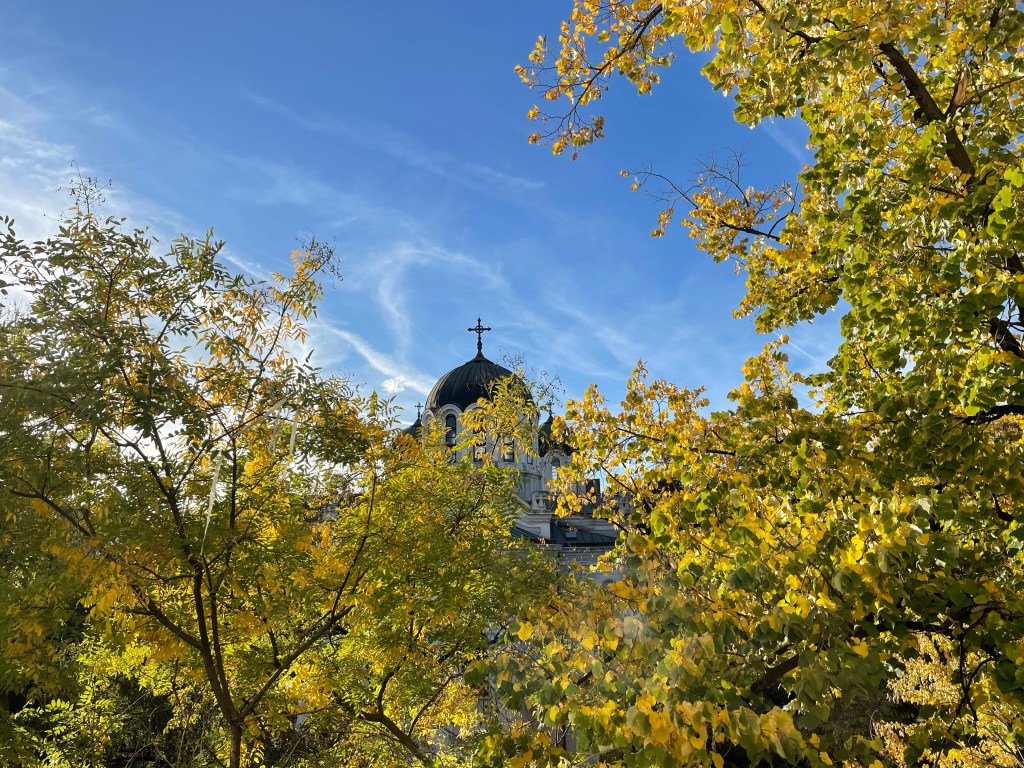
I’m going to stop here for now. I really loved Sofia and there’s just too much to share in one post. Thanks for reading and look for Part 2 in a few days 🙂
Purchasing Tickets for the Sofia Express in Istanbul:
Option 1: Go to Halkalı railway station, which is located 17 km from the city center on the Marmaray train line. Halkalı is the departure station for the Sofia Express. You can buy tickets from the ticket window at the top of the escalator.
Option 2: Sirkeci Railway Station or İstanbul Garı (located in Istanbul’s Fatih neighborhood). Directions told me to go to Ticket Window #4. I never saw Ticket Window #4 but I did find the ticket window labelled “International Trains” and was helped by a kind cashier who spoke plenty of English. My paper tickets in hand, I emerged victorious into Fatih and took my bus back to the ‘burbs.
Advice for the journey: Try to get to sleep soon after departure as you’ll be awake at the border from approximately 1am – 4am. Prepare for cabin knocks from border guards, line-ups at passport windows, and generally no attempt to make haste whatsoever. Both trains arrived 1-2 hours late, in my experience, so be careful when booking connections at your destination. Do bring your own food and some extra toilet paper wouldn’t hurt.

 The Turquoise Chronicles