
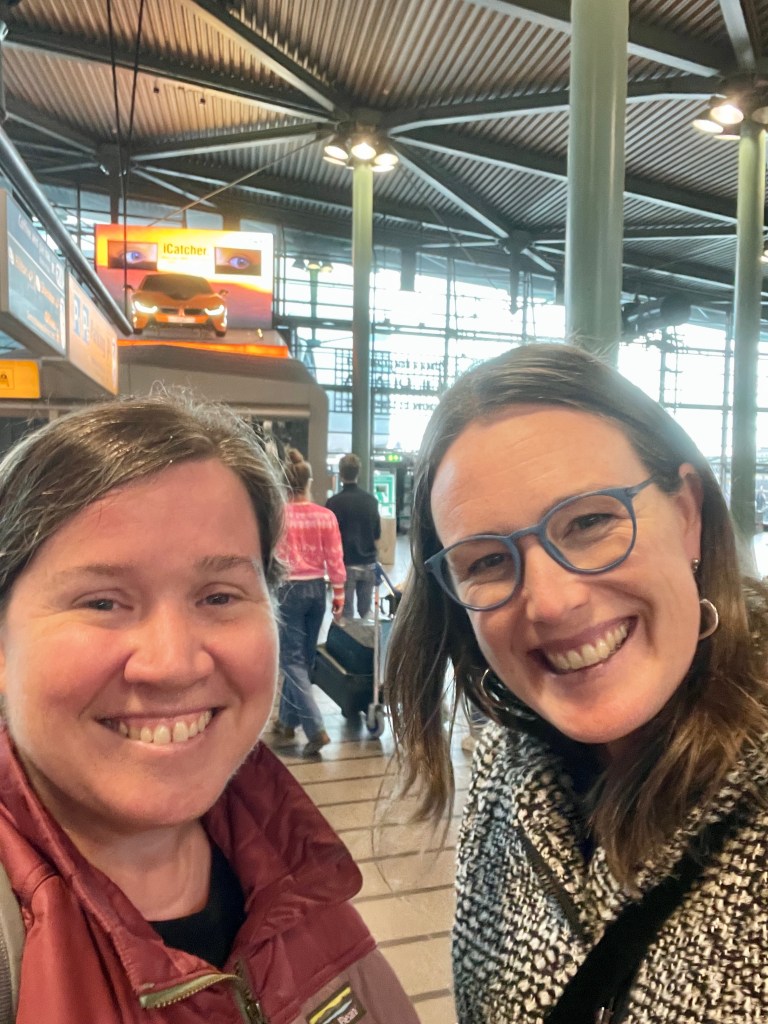
During my final weekend in the Netherlands, I was able to meet my good friend Meg for breakfast in Amsterdam. Meg and I taught together in Seoul about a decade ago. She now lives in the Netherlands with her husband and their two beautiful kiddos. We hadn’t seen each other since 2018 but it was like no time had passed. Much love, T-Hayne!
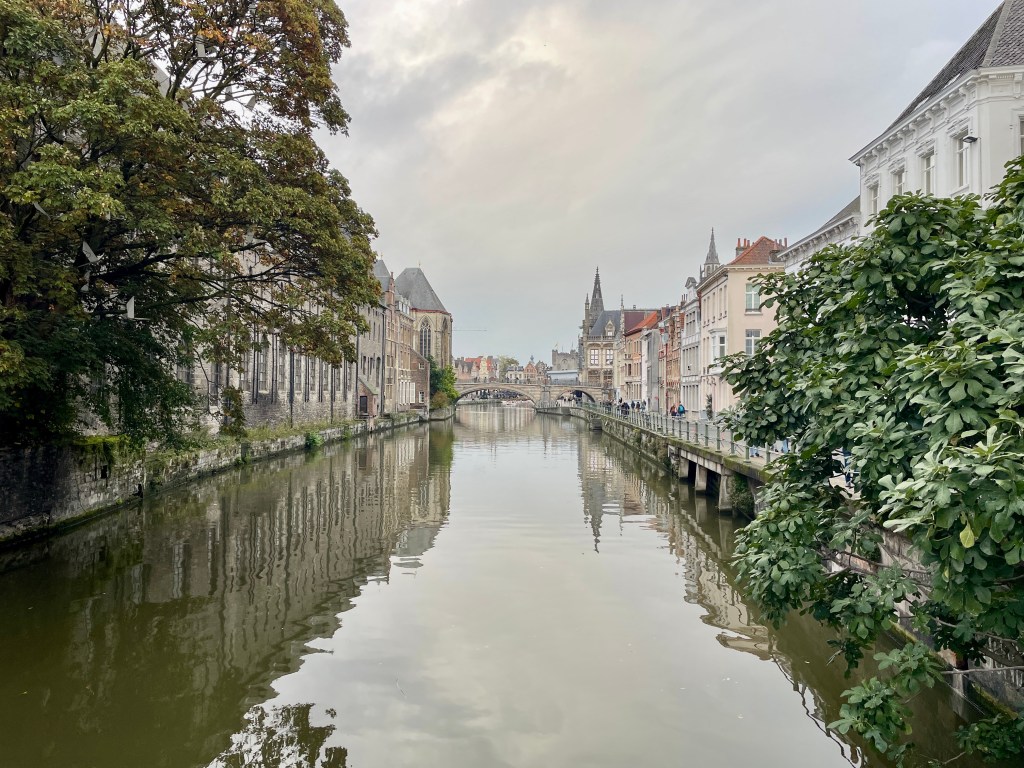
After catching up with Meg, I hopped on a train to my final destination – Delft. A charming town along a canal, it is known as the birthplace of Johannes Vermeer, the Dutch Master of Girl with the Pearl Earring fame. I came for the art (of course) but, more specifically, the ceramics, embedded into the very sidewalks of the city.
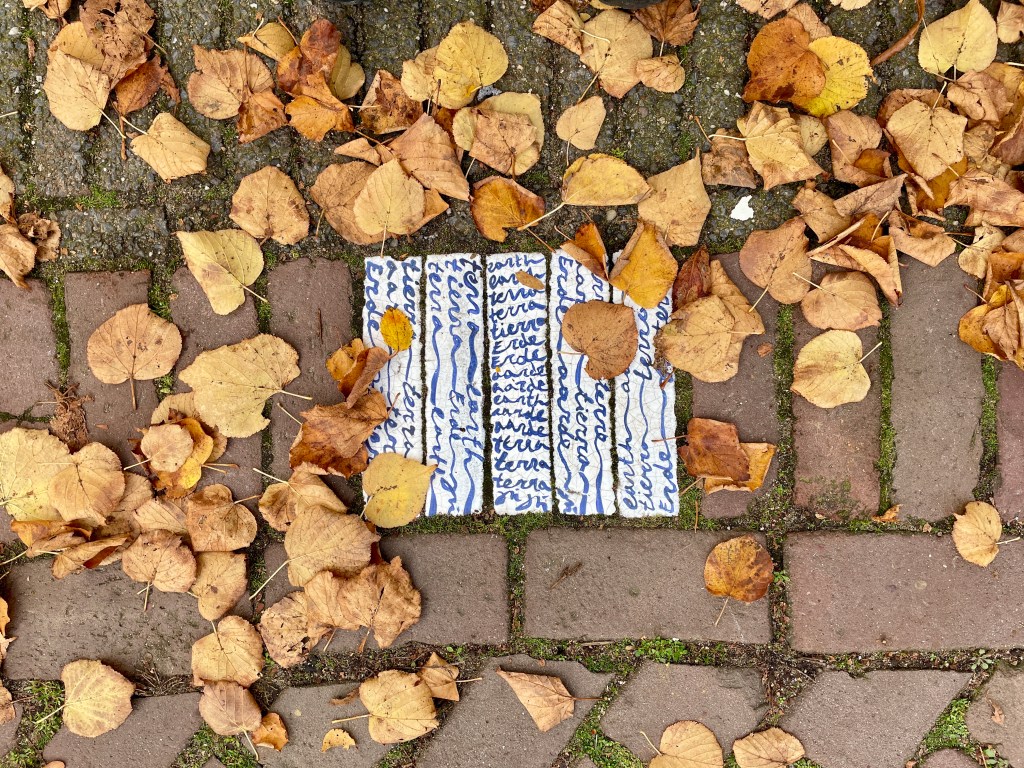
The story of delftware began in the early 1600s when the trademark white and blue ceramics became a hot commodity throughout Europe. At the time, the Dutch East India Company was responsible for the import of these 14th-century Chinese porcelain ceramics. As demand grew, the city of Delft set up ceramic production, applying white and cobalt oxide glazes to Chinese porcelain using a technique called “tin-glazed”. The technique gave Delftware the shiny, glossy finish we recognize today. Business boomed from 1640-1740. As the Ming dynasty declined, however, Chinese porcelain exports dried up. The Dutch found local sources of clay and production was entirely centered in Delft.
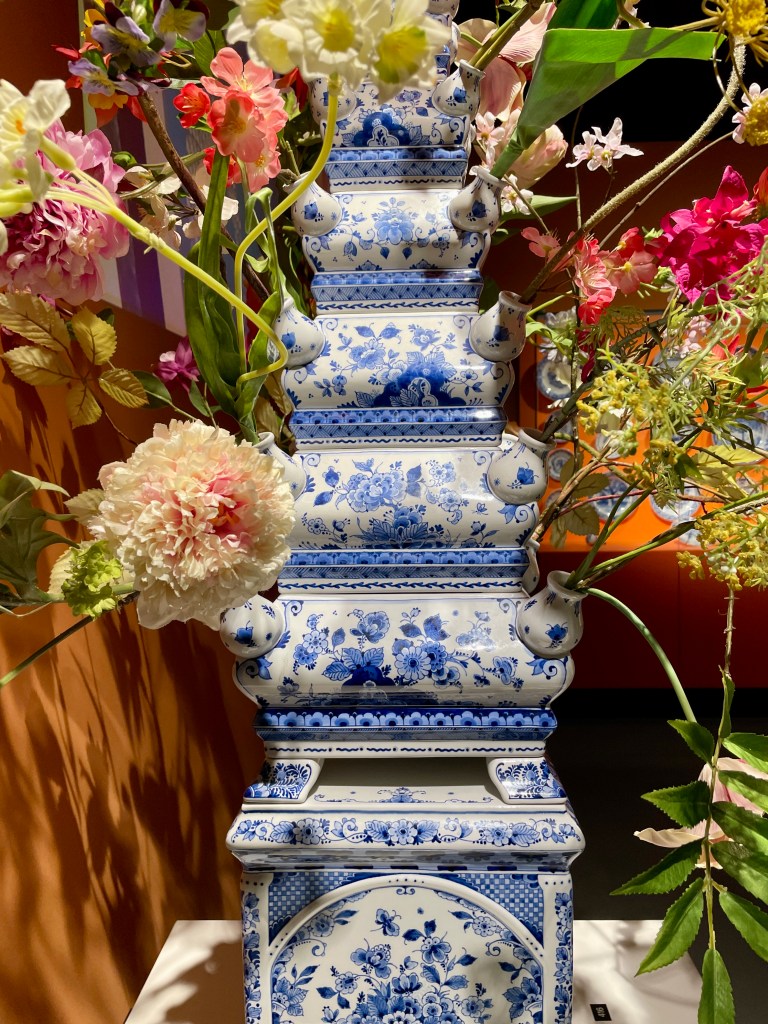
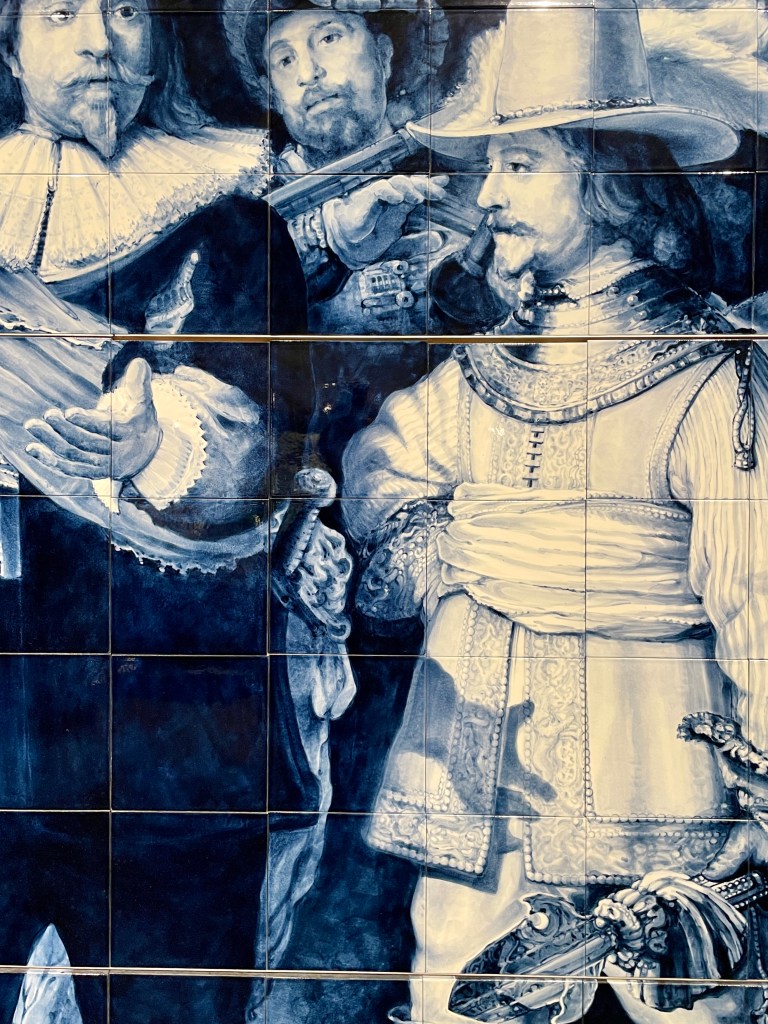
The Delft Blue Museum is a factory museum, offering self-guided tours through galleries of ceramics and production in the 400-year old factory up close. Above (right), you can see a version of Rembrandt’s The Night Watch, beautifully reproduced on delftware. The museum is a 15-minute walk along the water from the Delft train station – well worth the trip.

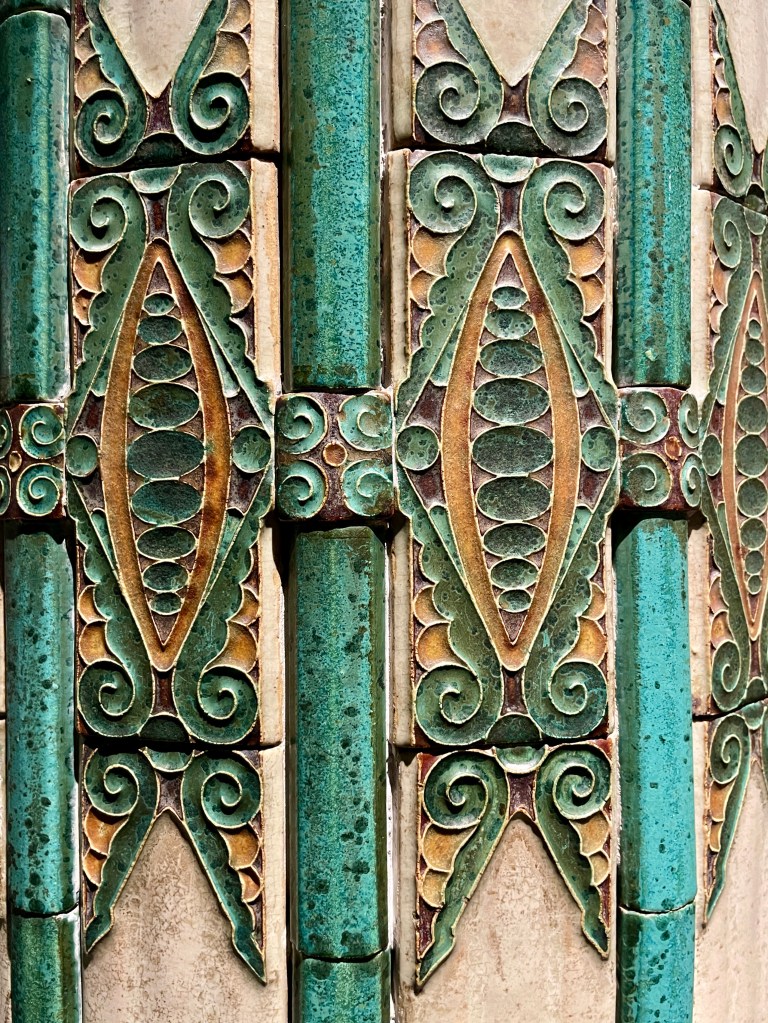
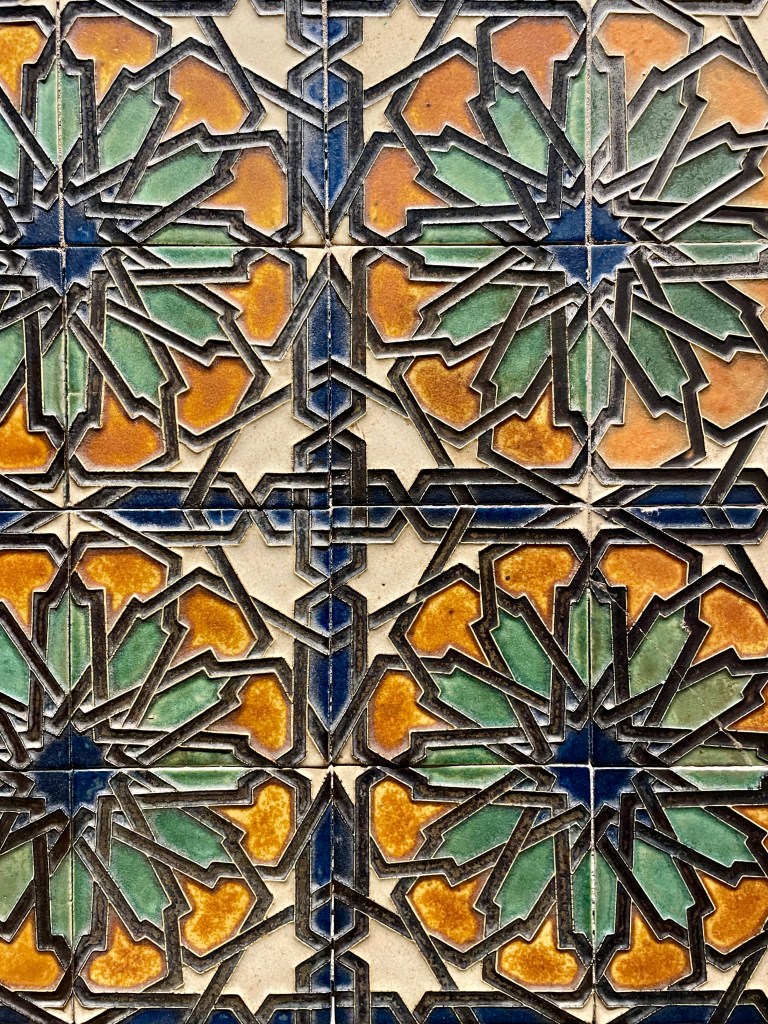
After my tour came to a close, I strolled back towards the downtown of Delft. It was Market Day and the streets were brimming with vendors selling fresh produce in their stalls. Considering the late October date, the offerings were colorful and fresh.
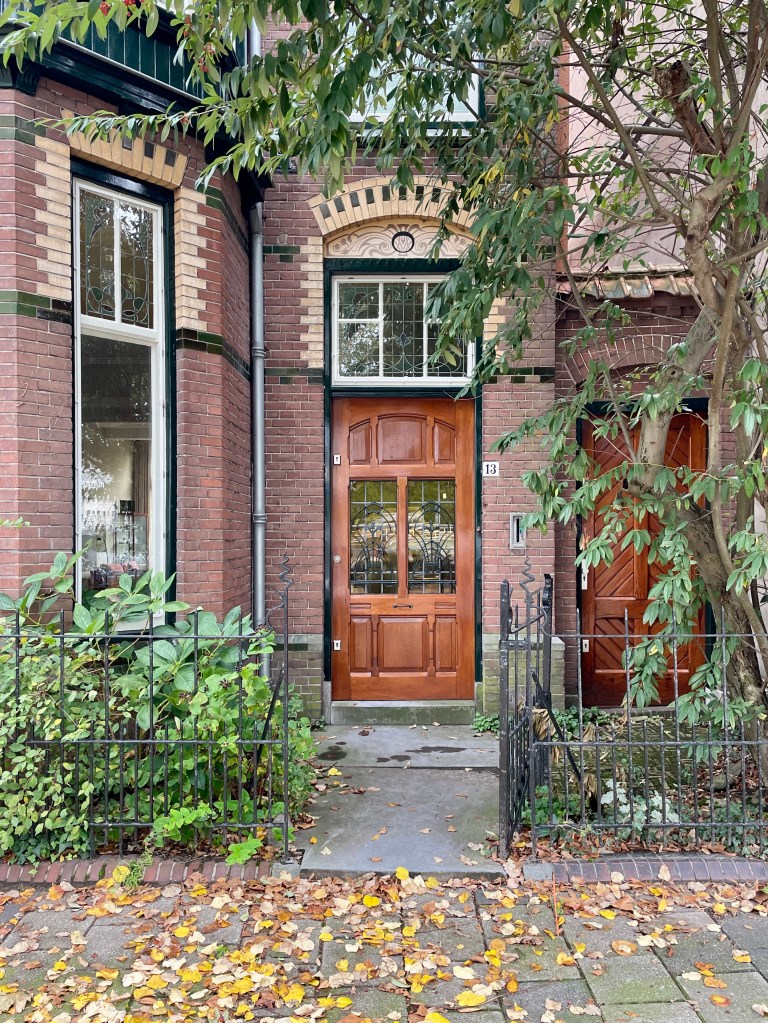
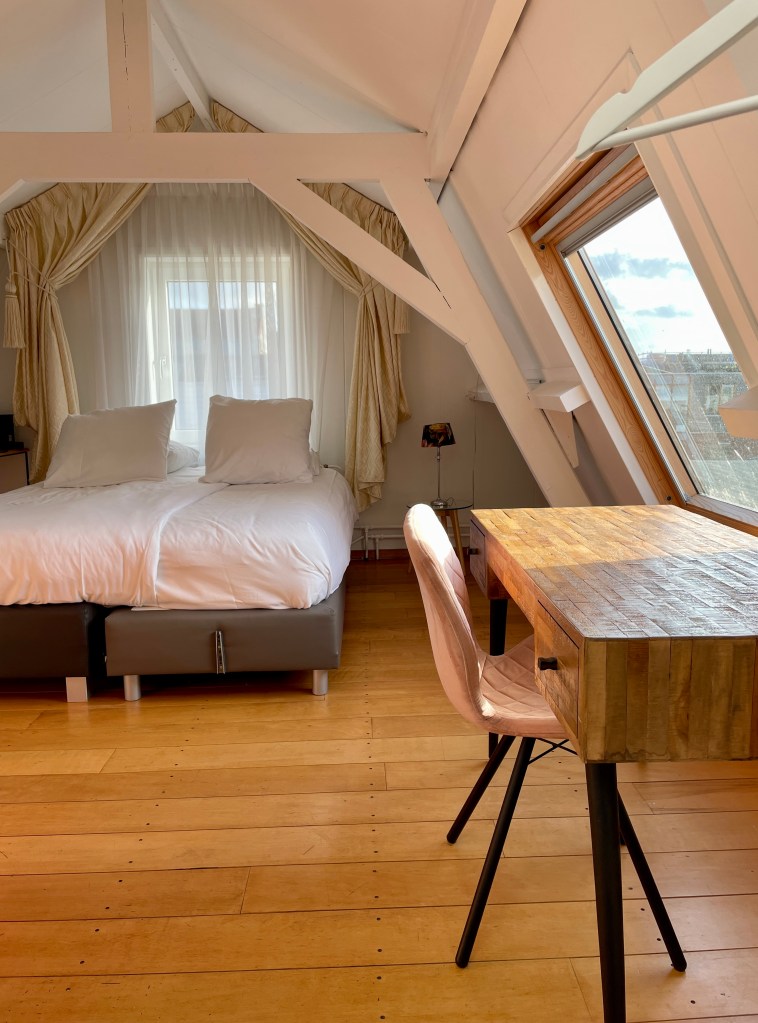
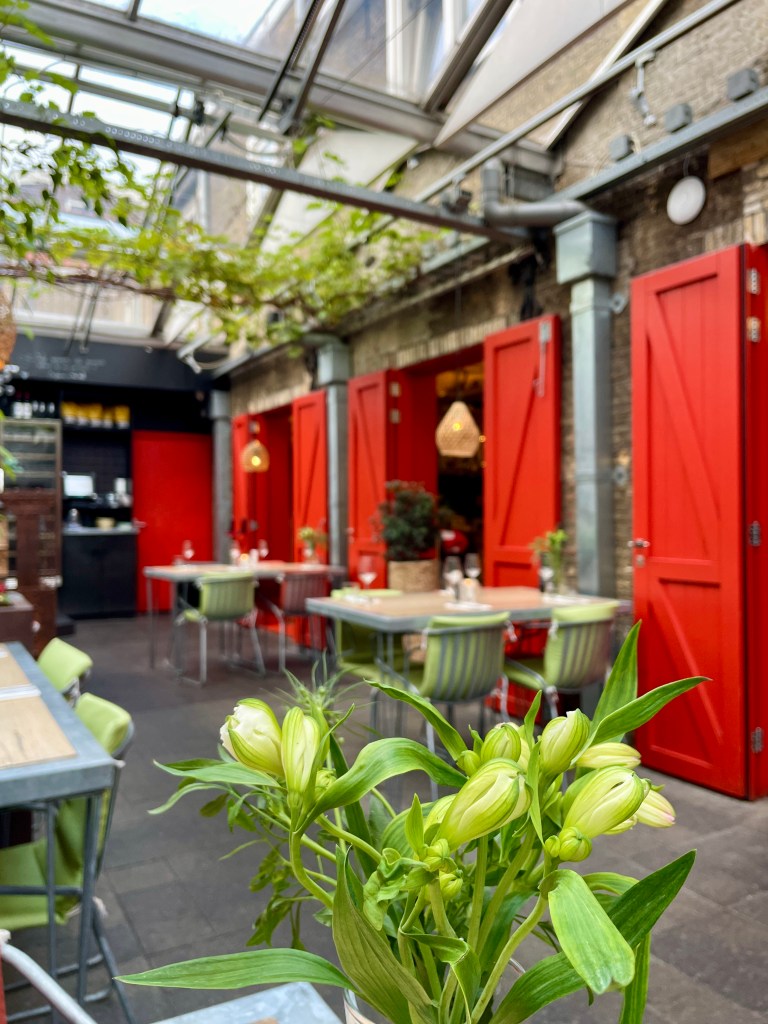
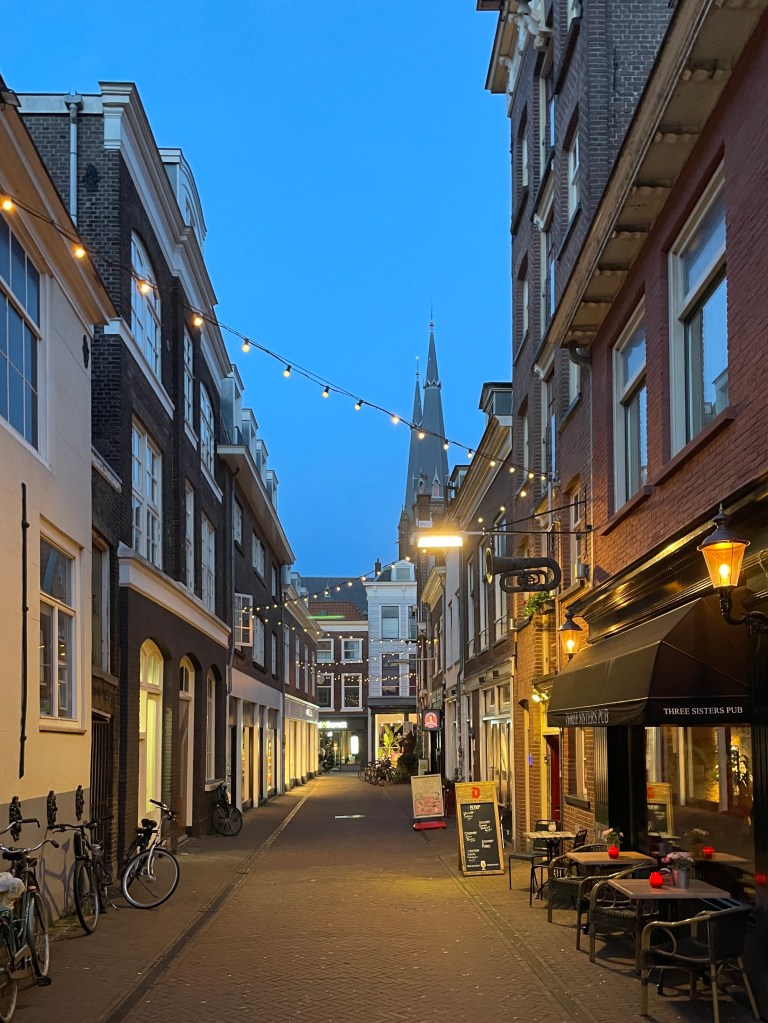
After checking into my rented room up in the eaves, I enjoyed an amazing dinner at De Kurk, a farm-to-table restaurant nearby. Possibly one of the best meals I’ve ever had, the greenhouse atmosphere and wonderful service only added to the experience. After dinner, I wandering the lanes of Delft, enjoying the baths of warm light emanating from cheery windows and doorways.
And thus ends the Belgium/Netherlands Art Tour of 2023. I’m back home with this little weirdo (below), in the homestretch until the winter holidays. Hope you have enjoyed this series and I look forward to sharing more from Istanbul with you soon.




 The Turquoise Chronicles