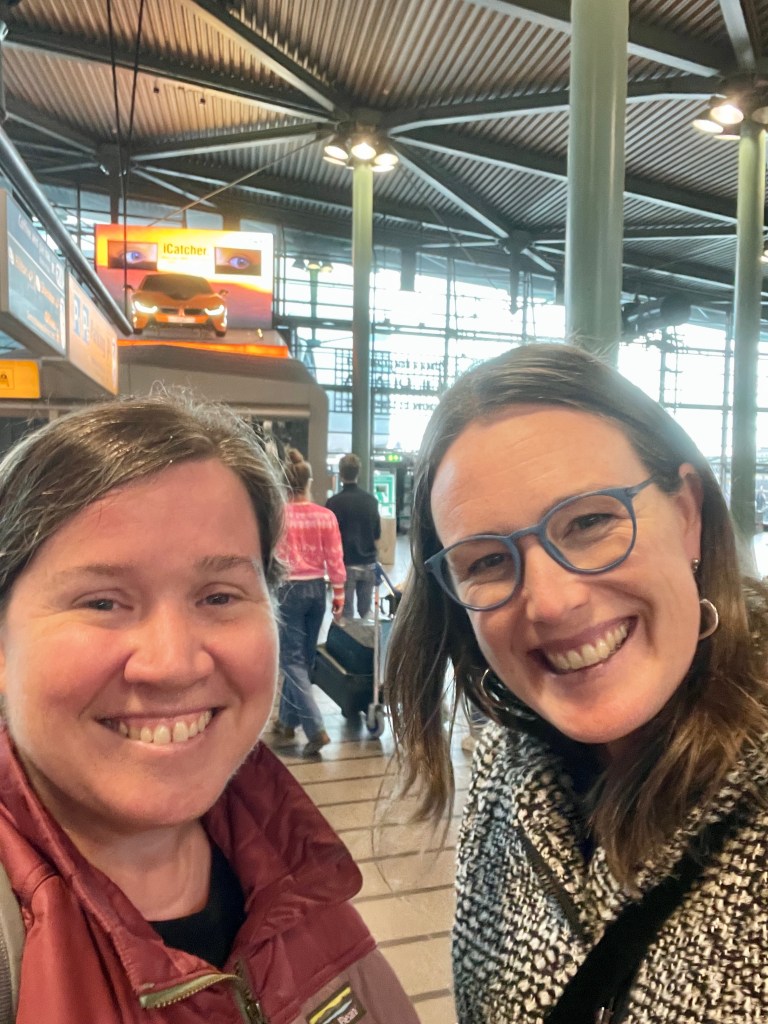
During my final weekend in the Netherlands, I was able to meet my good friend Meg for breakfast in Amsterdam. Meg and I taught together in Seoul about a decade ago. She now lives in the Netherlands with her husband and their two beautiful kiddos. We hadn’t seen each other since 2018 but it was like no time had passed. Much love, T-Hayne!
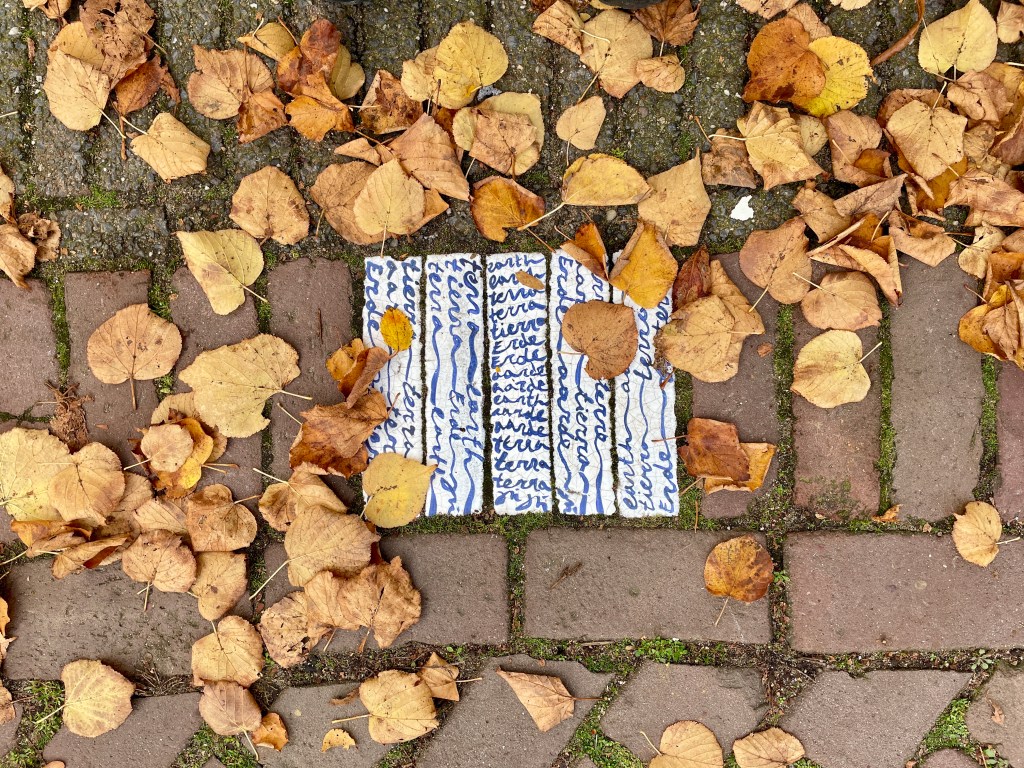
After catching up with Meg, I hopped on a train to my final destination – Delft. A charming town along a canal, it is known as the birthplace of Johannes Vermeer, the Dutch Master of Girl with the Pearl Earring fame. I came for the art (of course) but, more specifically, the ceramics, embedded into the very sidewalks of the city.
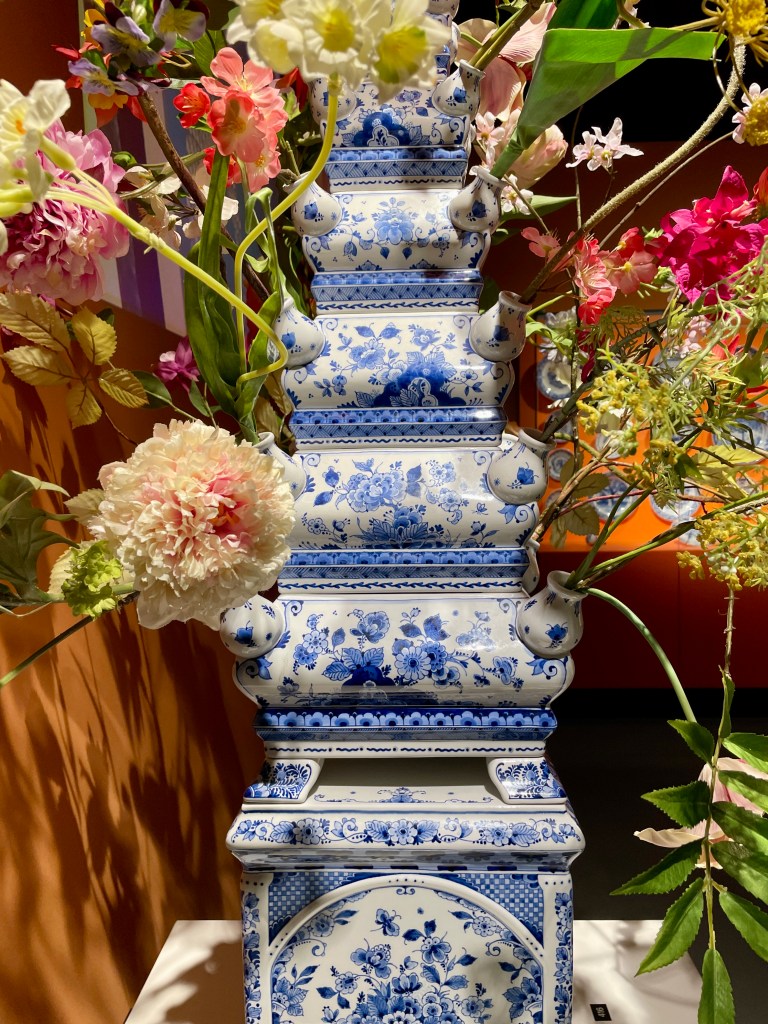
The story of delftware began in the early 1600s when the trademark white and blue ceramics became a hot commodity throughout Europe. At the time, the Dutch East India Company was responsible for the import of these 14th-century Chinese porcelain ceramics. As demand grew, the city of Delft set up ceramic production, applying white and cobalt oxide glazes to Chinese porcelain using a technique called “tin-glazed”. The technique gave Delftware the shiny, glossy finish we recognize today. Business boomed from 1640-1740. As the Ming dynasty declined, however, Chinese porcelain exports dried up. The Dutch found local sources of clay and production was entirely centered in Delft.
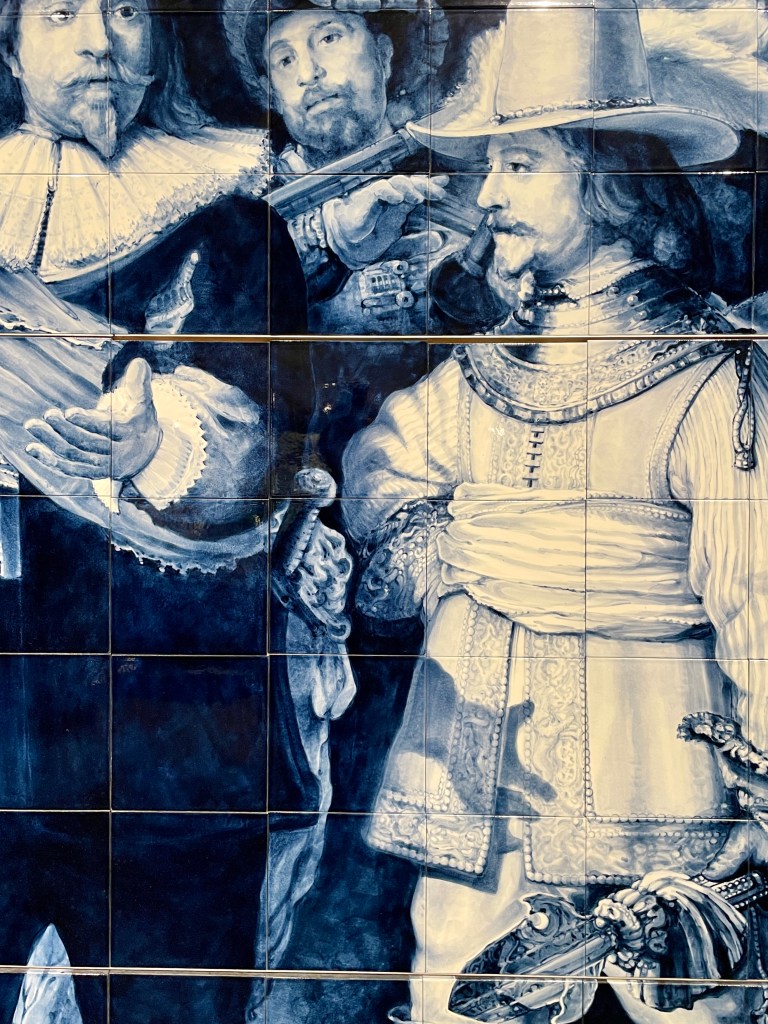
The Delft Blue Museum is a factory museum, offering self-guided tours through galleries of ceramics and production in the 400-year old factory up close. Above (right), you can see a version of Rembrandt’s The Night Watch, beautifully reproduced on delftware. The museum is a 15-minute walk along the water from the Delft train station – well worth the trip.
After my tour came to a close, I strolled back towards the downtown of Delft. It was Market Day and the streets were brimming with vendors selling fresh produce in their stalls. Considering the late October date, the offerings were colorful and fresh.
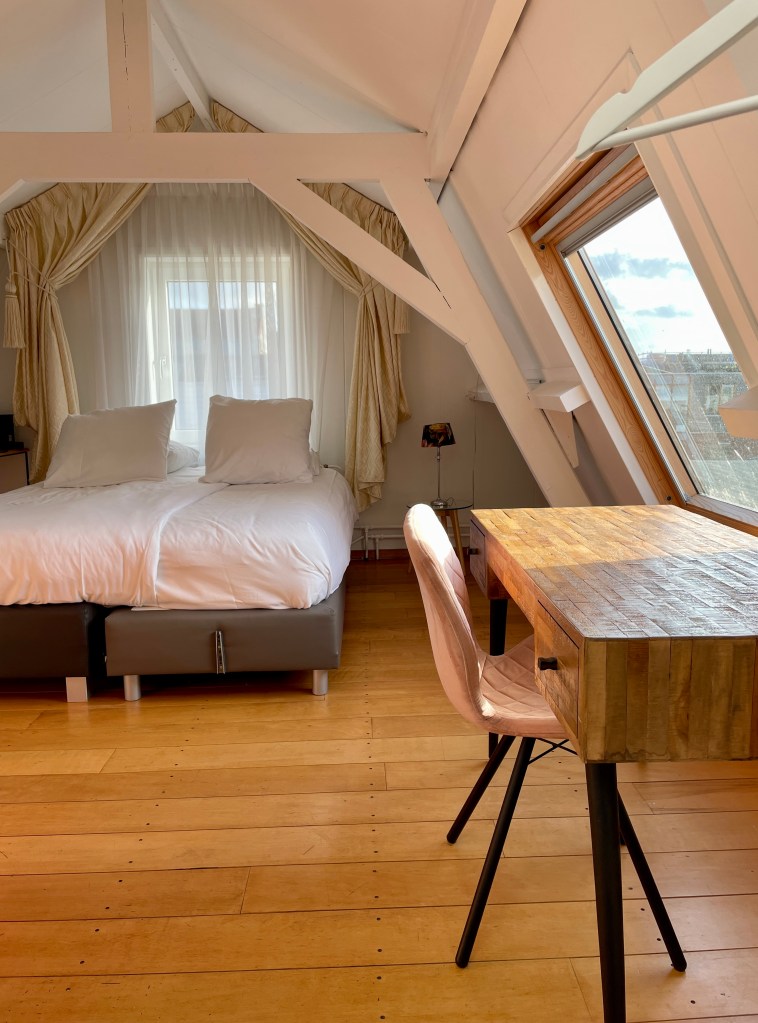
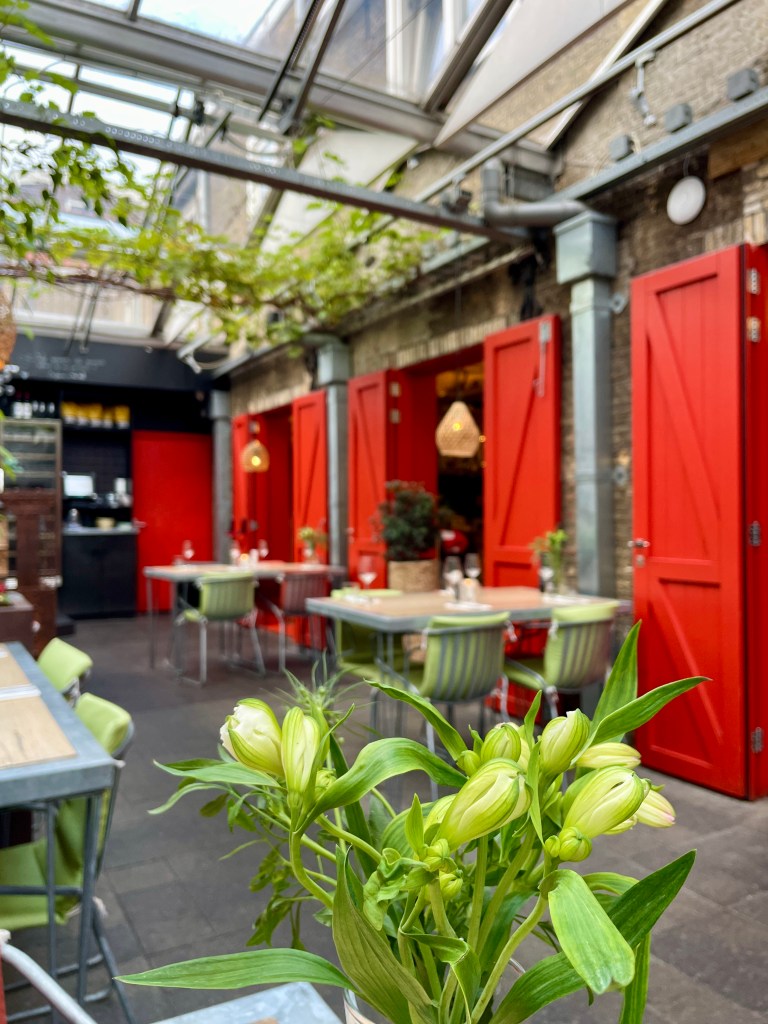
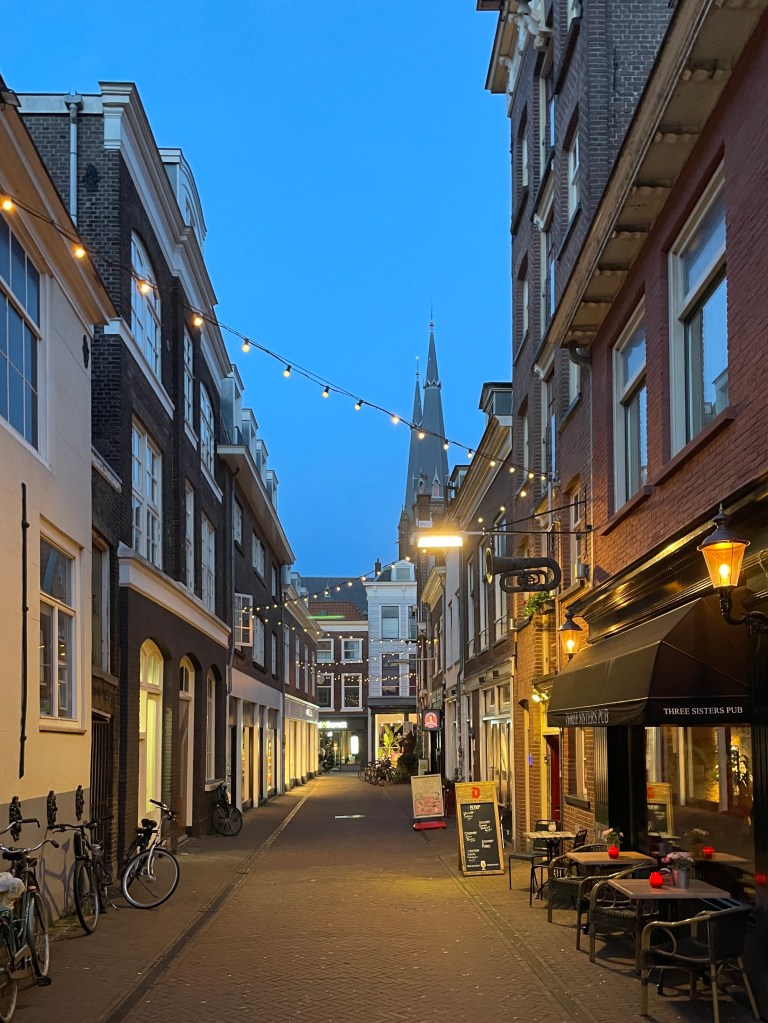
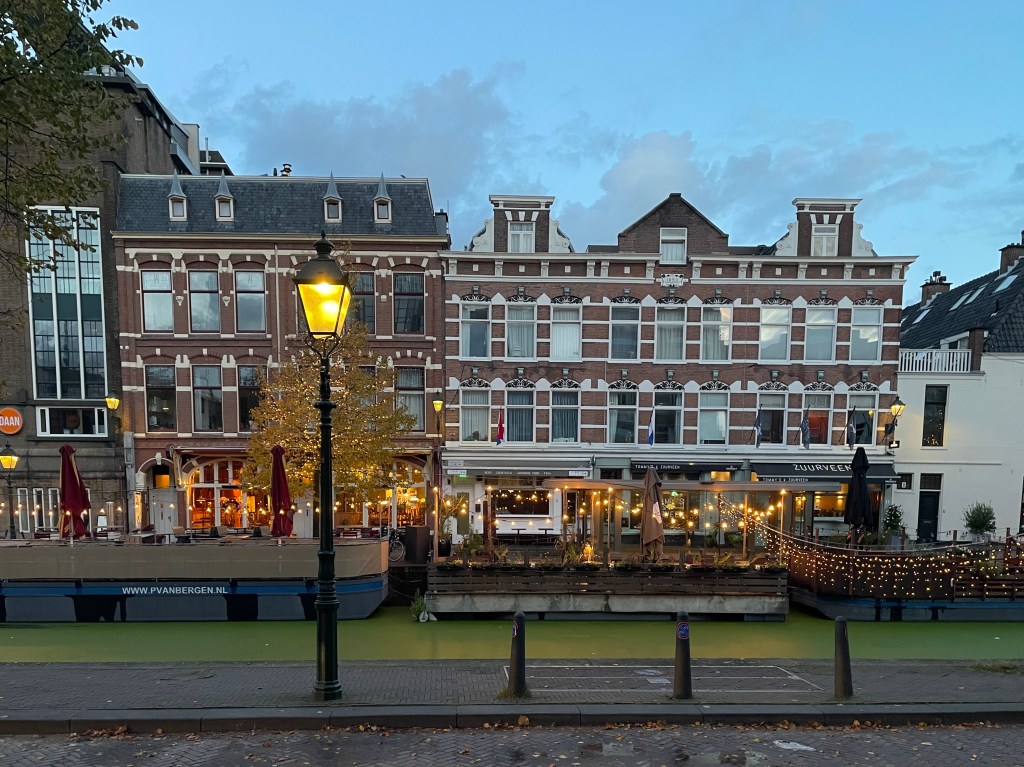
After checking into my rented room up in the eaves, I enjoyed an amazing dinner at De Kurk, a farm-to-table restaurant nearby. Possibly one of the best meals I’ve ever had, the greenhouse atmosphere and wonderful service only added to the experience. After dinner, I wandering the lanes of Delft, enjoying the baths of warm light emanating from cheery windows and doorways.
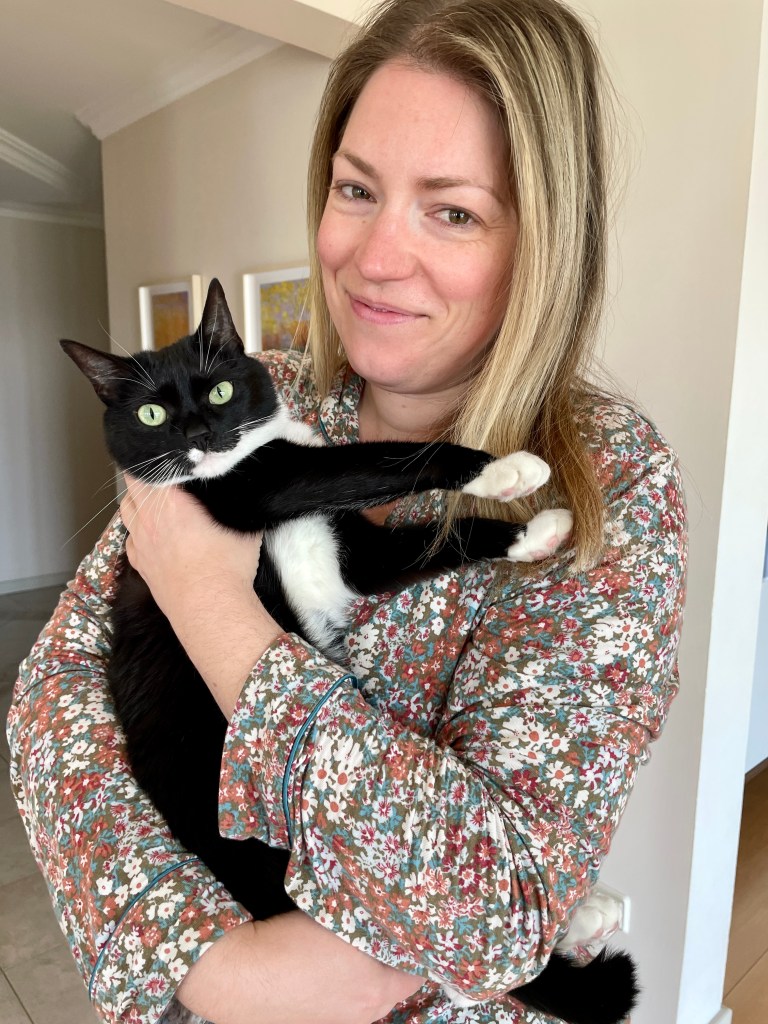
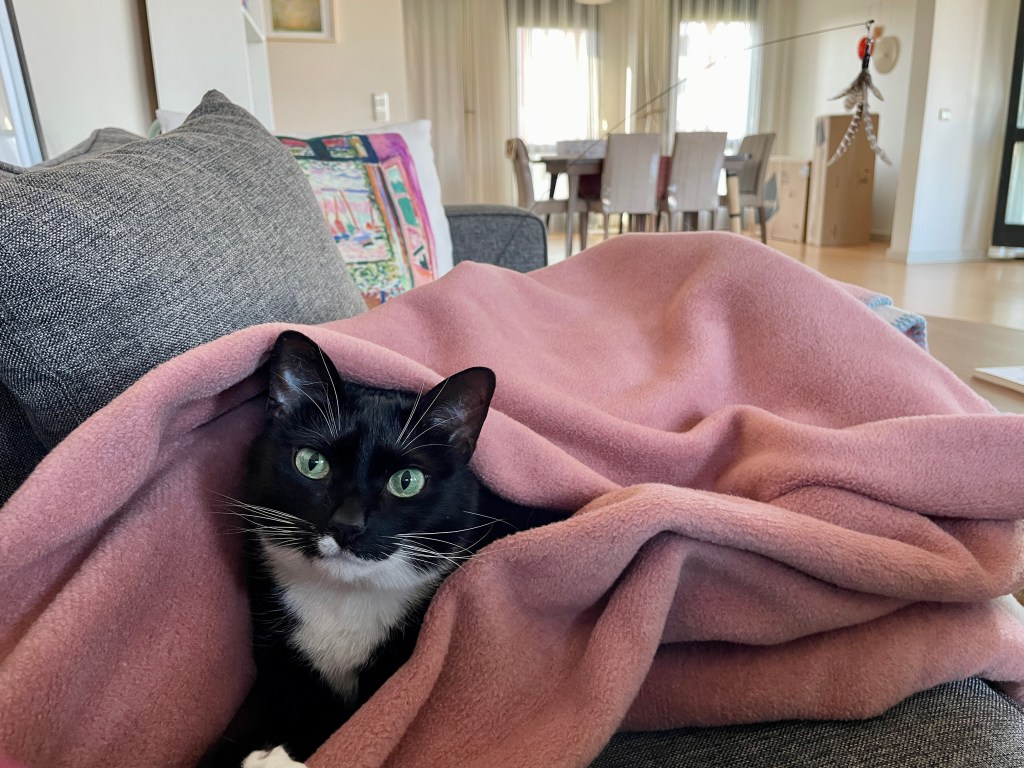
And thus ends the Belgium/Netherlands Art Tour of 2023. I’m back home with this little weirdo (below), in the homestretch until the winter holidays. Hope you have enjoyed this series and I look forward to sharing more from Istanbul with you soon.
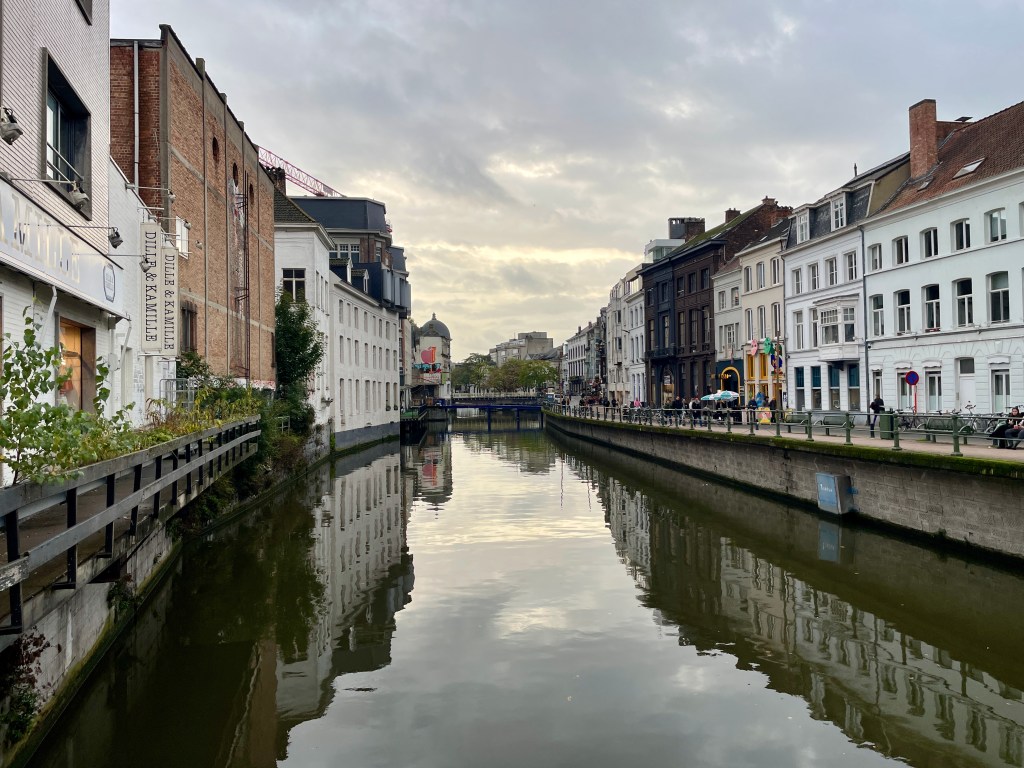
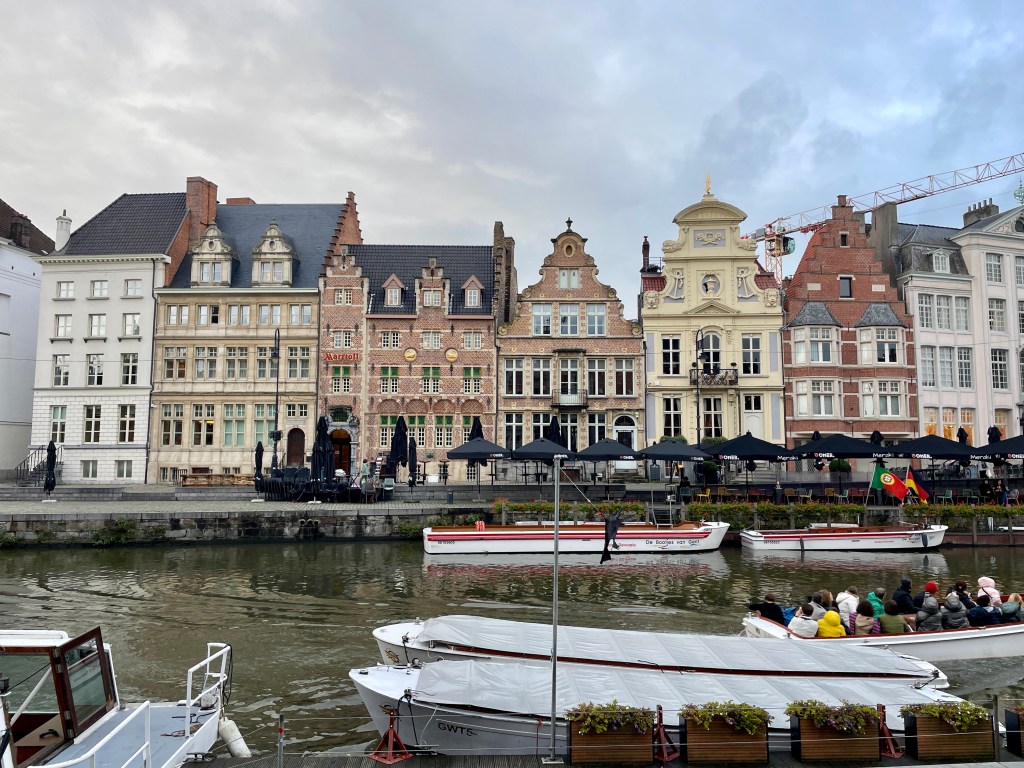
A university town upon a canal, Ghent has the charm of Bruges and the city perks of Antwerp. Founded in the Late Middle Ages, this once wealthy city boasts architecture preserved from the 12th century.
Arriving by train, we took the tram to the city center. Walking around downtown, we were greeted by painting-worthy landscapes at every turn. With the autumn chill in the air and a light rain falling, we took a look around.
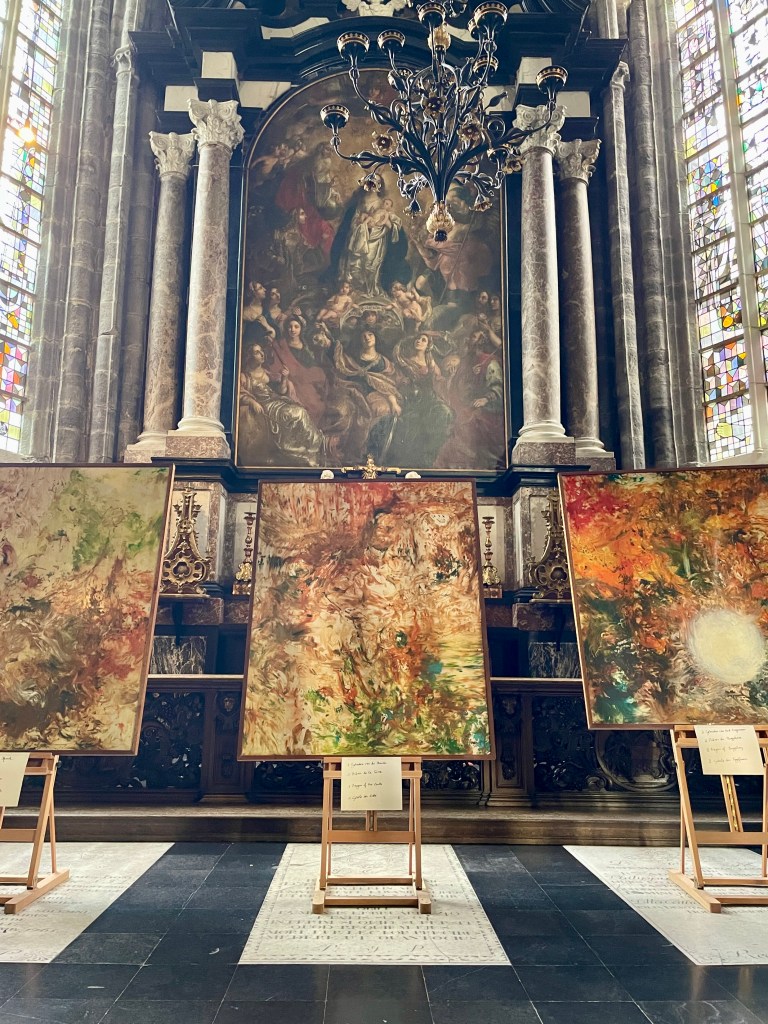
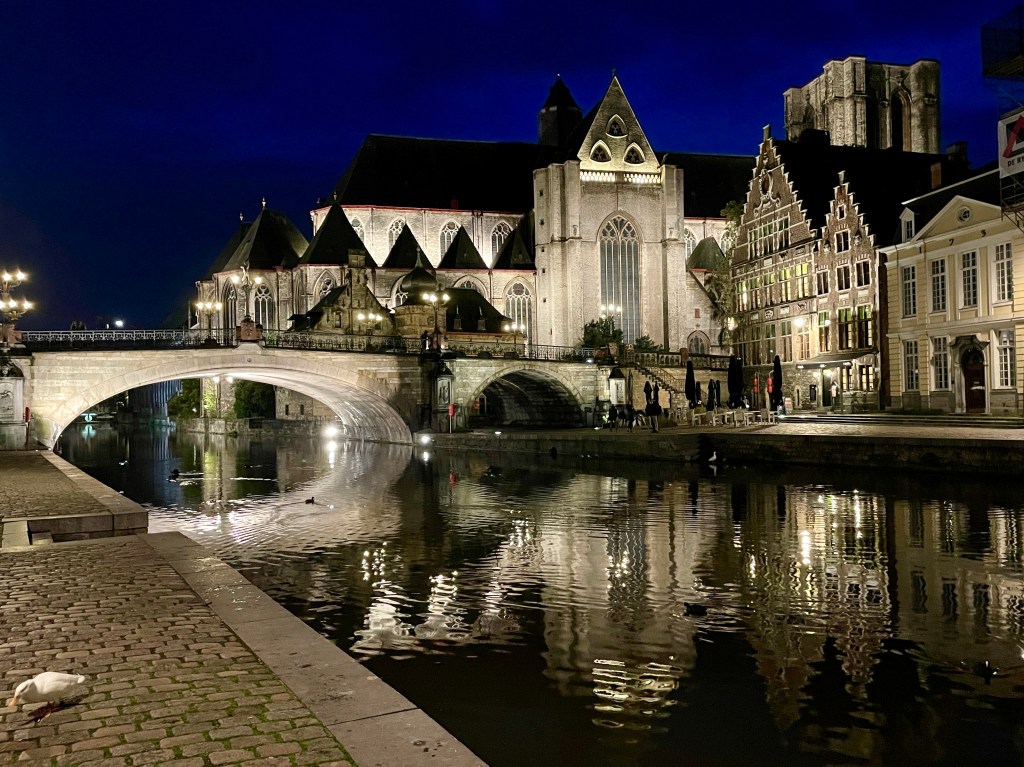
We had purposefully booked a hotel close to St. Bavo’s Cathedral, a Gothic stone giant which looms over central Ghent. Inside, we discovered gorgeous stained glass and works by Peter Paul Rubens juxtaposed against works by contemporary artists.
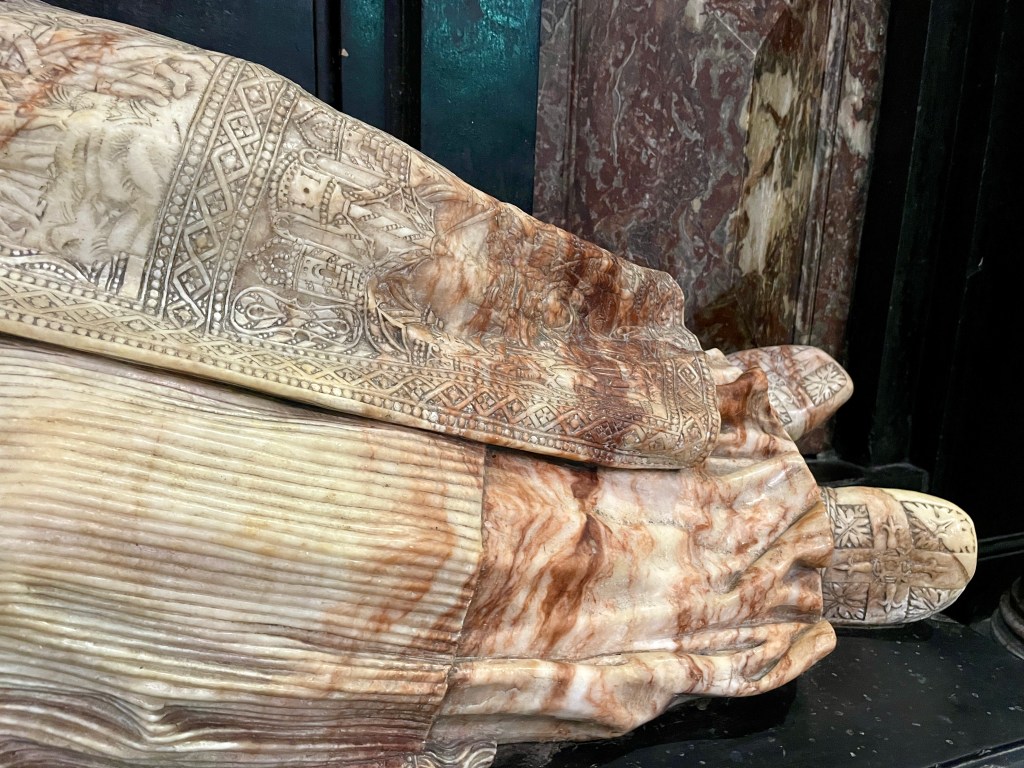
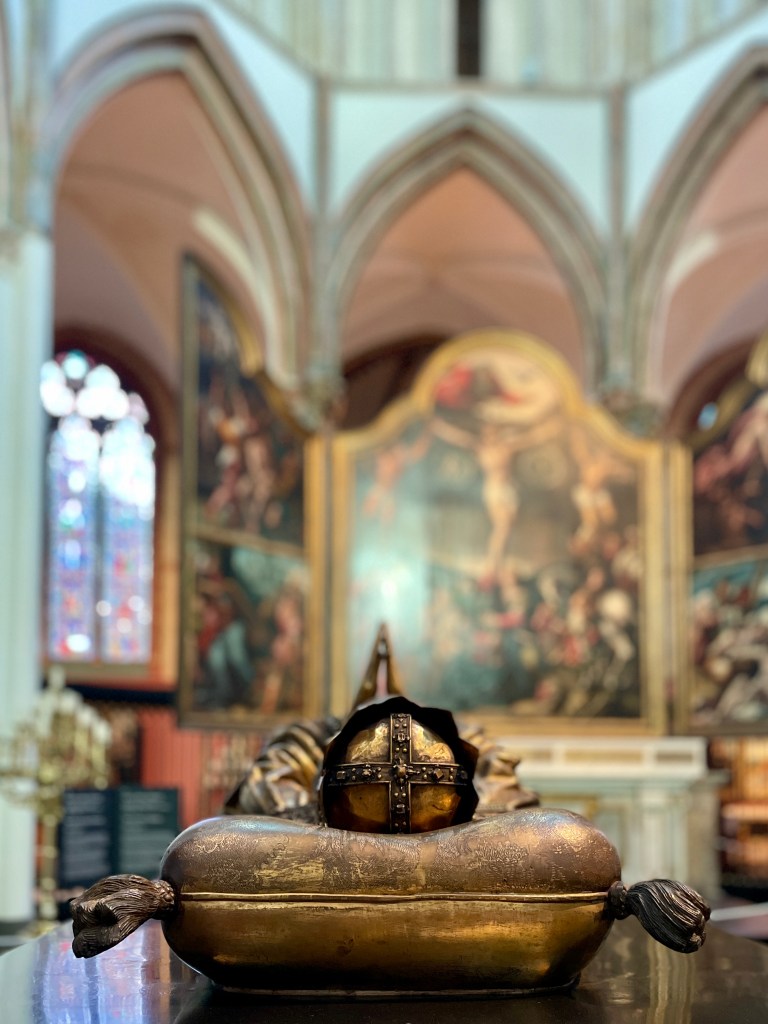
The reposed bishop was a surprising sight, but the marble carving was exquisite.
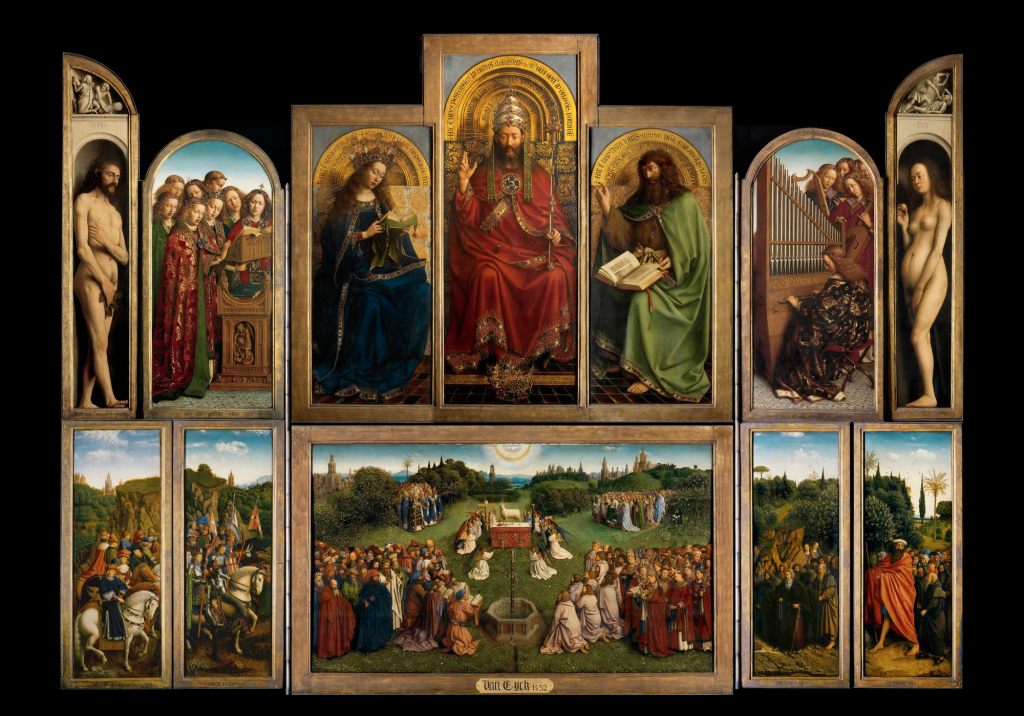
The highlight of St. Bavo’s and the raison d’etre for this stop on our trip was the Ghent Altarpiece. The masterpiece (below) was painted by brothers Hubert and Jan van Eyck. Completed in 1492, the artwork represents the transition from the art of the Middle Ages (religious iconography) to the Renaissance (human form and representation of nature). The top row is a veritable Who’s Who of Christianity – Adam, the Virgin Mary, “The Almighty”, John the Baptist, and Eve. The bottom register displays a crowd of pilgrims worshipping the Lamb of God in a natural setting.
This artwork was also stolen by the Nazi’s and recovered in the Altaussee salt mine (Austria). Since 2012, the altarpiece has been in a constant state of restoration. Panel by panel, conservationists remove layers of dirt and grime which have naturally built up over the centuries.
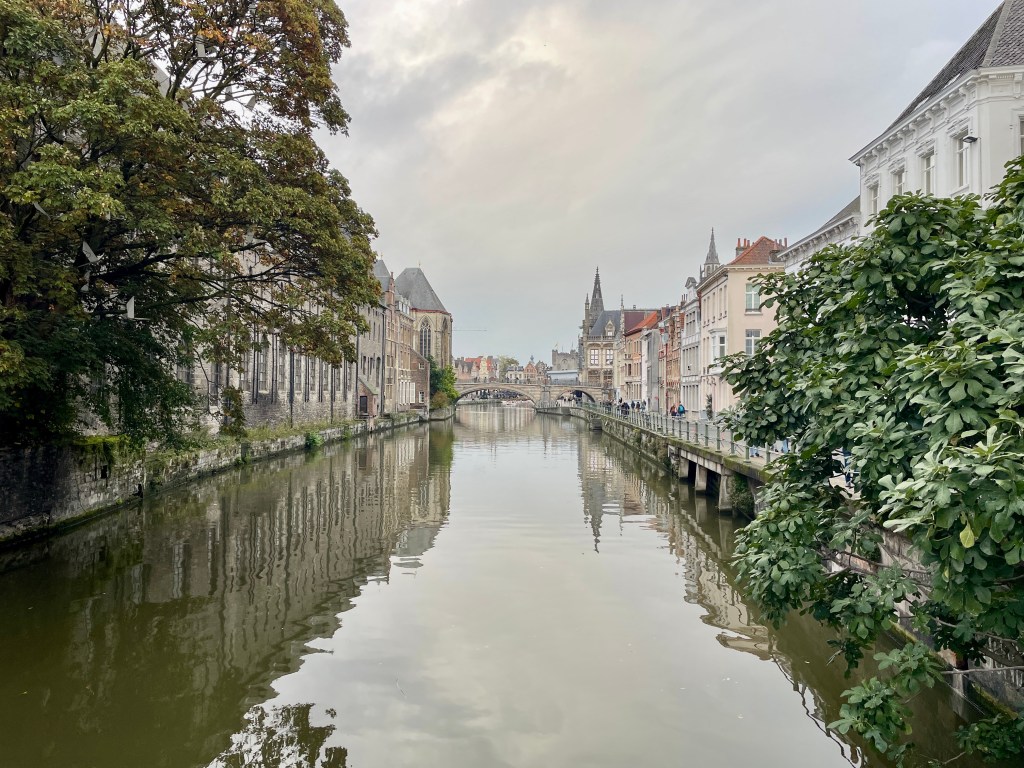
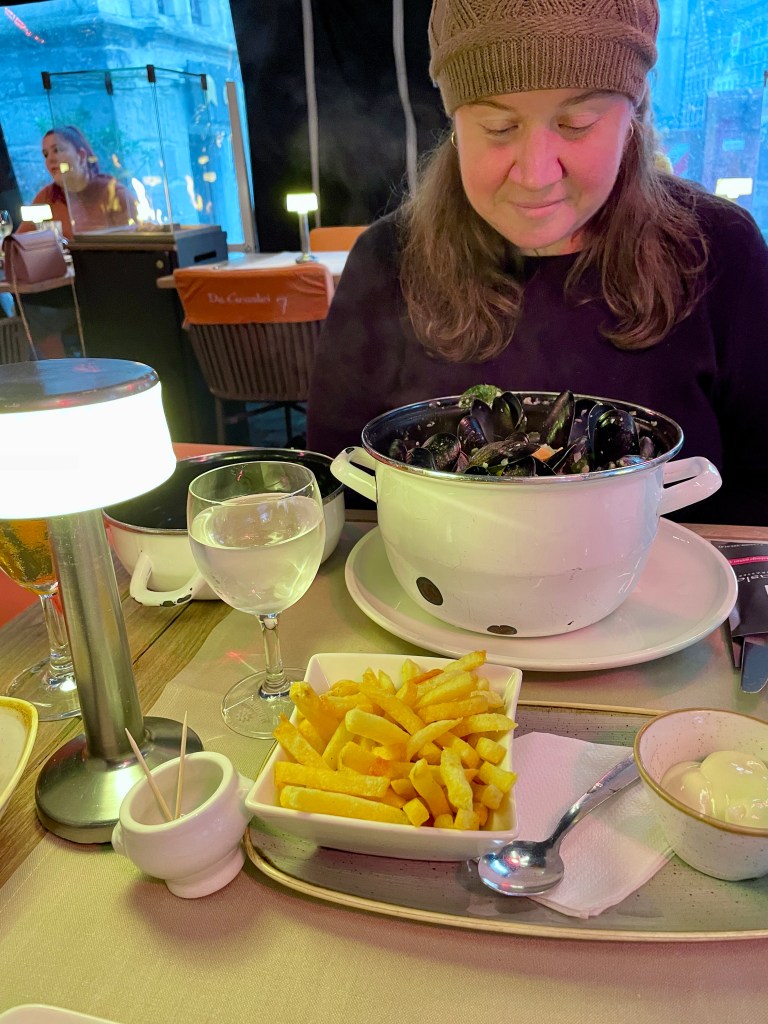
Ghent is a port city and, as such, offers deliciously indulgent seafood dishes such as moules frites. Mom and I found a suitable Belgian brasserie situated along the canal and tucked in to enjoy. A beautiful canopy of velvety blue adorned our walk home.
All too soon it was time to say goodbye. Mom and I spent a forgettable night in Rotterdam before heading back to Schiphol Airport to meet her flight. As she headed back over the Atlantic, I prepared for one final destination on this art history tour… a little town called Delft.
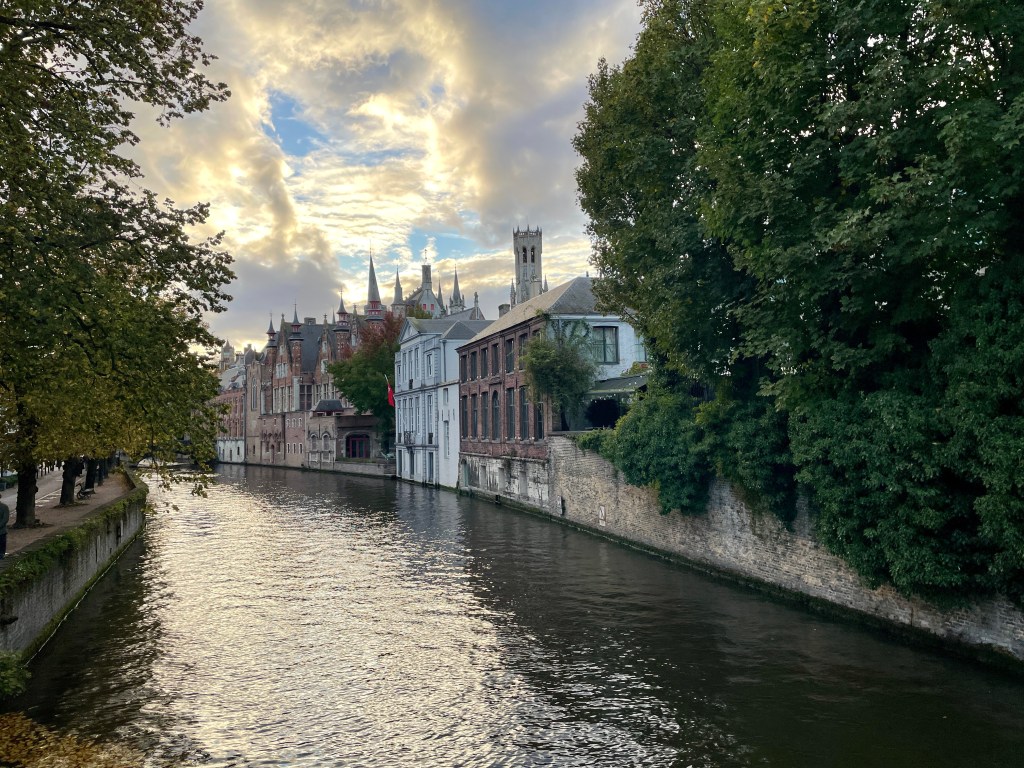
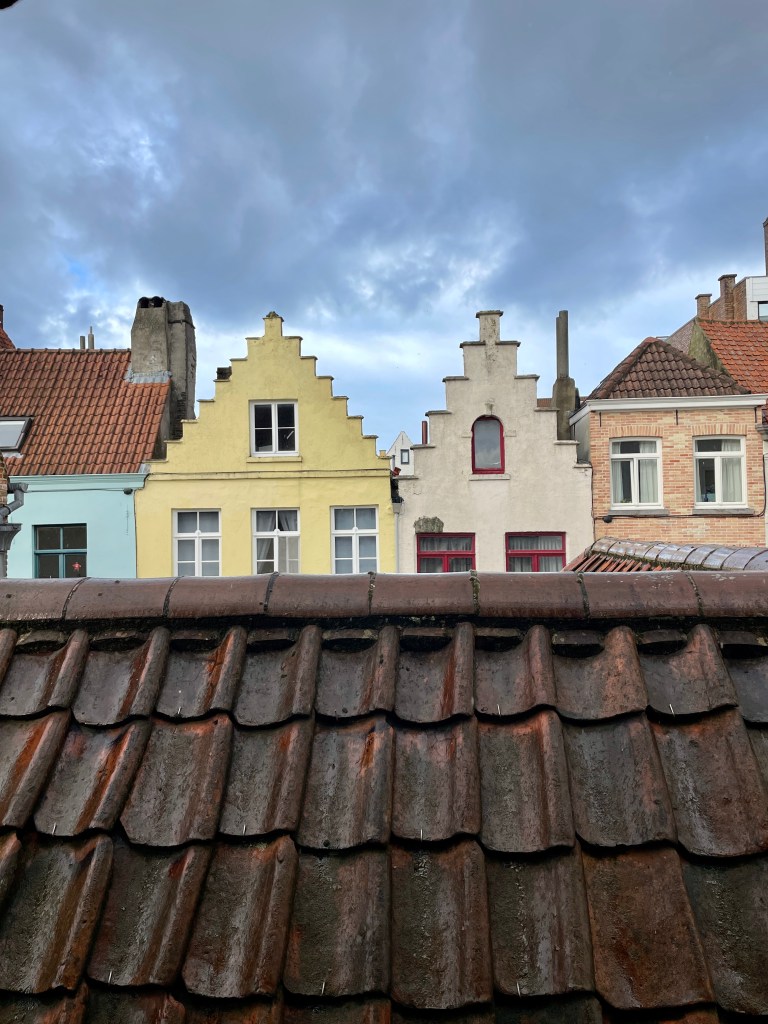
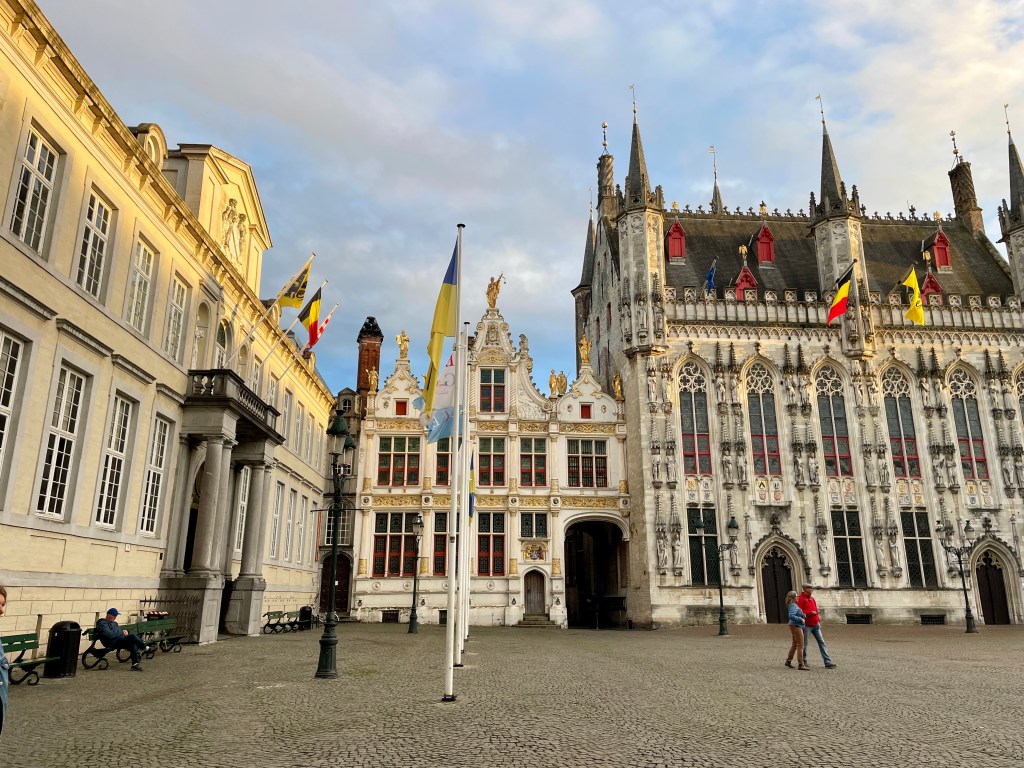
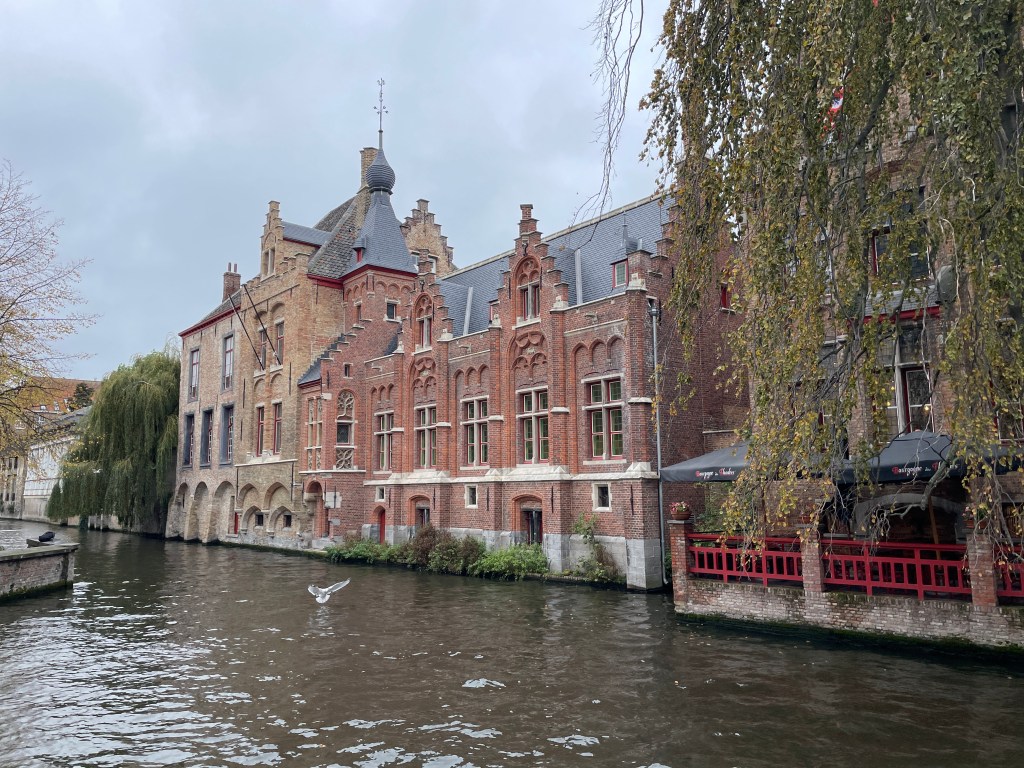
Quaint streets, Gothic architecture, and tranquil canals awaited us in Bruges, the second stop on our tour of Belgium.
The train ride from Antwerp to Bruges (pronounced BROO-GUH by locals) was direct and we arrived to our cozy Airbnb on a beautiful afternoon. The autumn weather, once again, remained in our favor. Immediate priorities included Belgian waffles and the Madonna of Bruges.
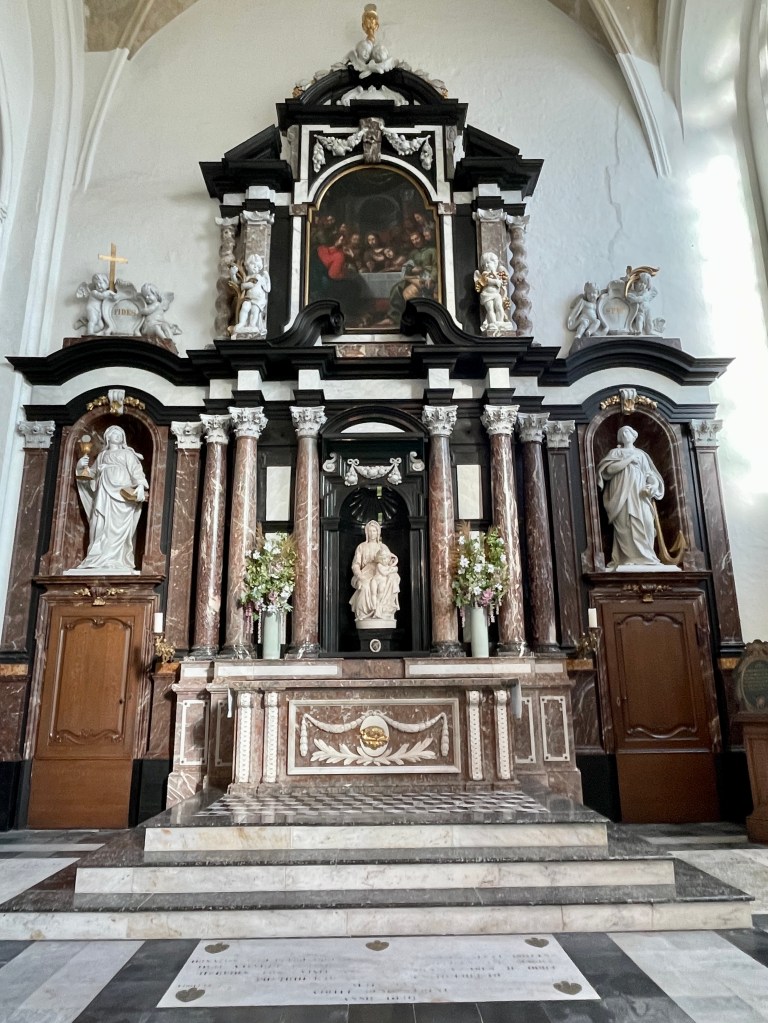
Continuing my unofficial art history tour of the Belgium, the Madonna of Bruges was not to be missed. Michelangelo’s statue of the mother and child, the first to leave Italy in his lifetime, stands just over four feet tall (below, right).
Stolen by the Nazis in WWII, she was recovered from a salt mine in Altaussee, Austria, by the famed Monuments Men, a group of British and American art historians, architects, museum curators and professors who saved countless works of art during the final days of WWII. Returned to Bruges, today the Madonna sits upon a throne worthy of her fame in the Church of Our Lady.
Despite the late October date, the narrow cobblestone streets of Bruges were still very busy with tour groups. Owing to Bruges’ proximity to the sea – only 11km from the coast – I cannot imagine navigating the town during peak cruise season.
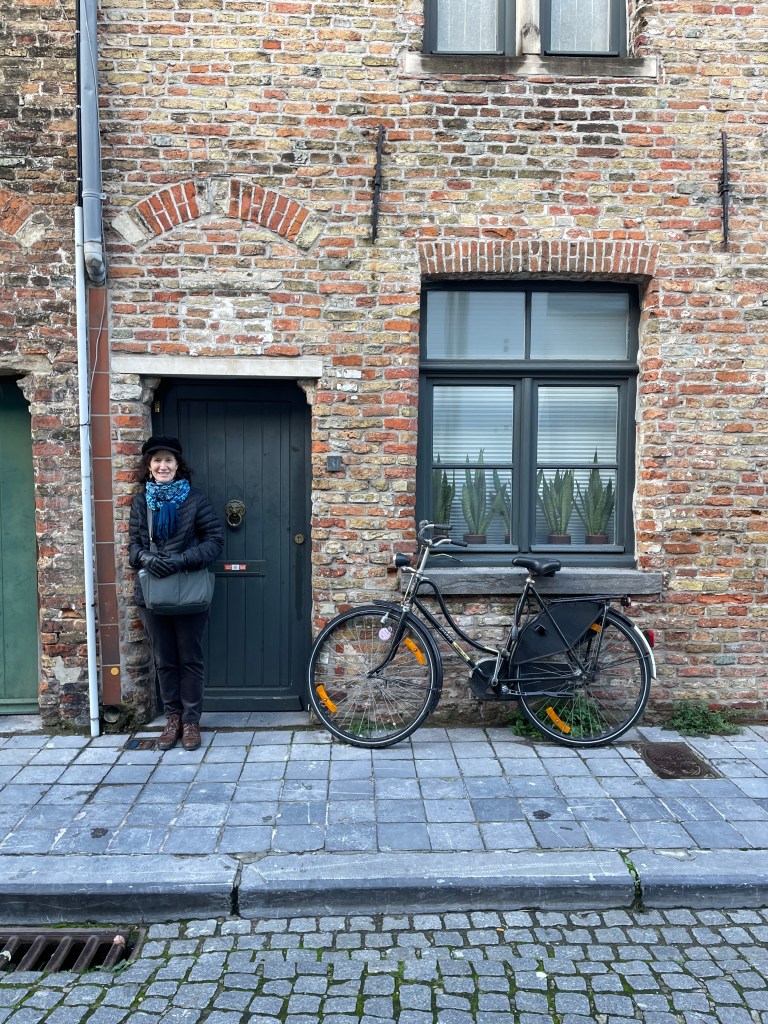
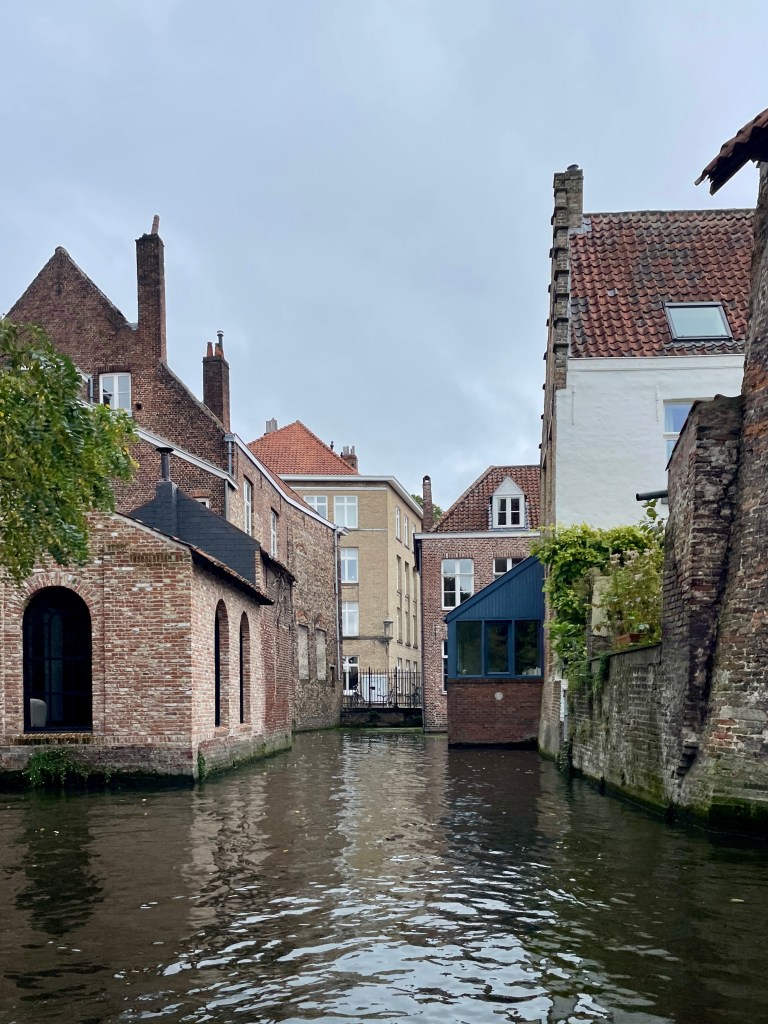
Happy to avoid the crowds, Mom and I wandered the quiet back streets, taking in the architecture and stumbling upon an adorable paper shop, Alfa Papyrus. We got lost among the handprinted cards and notebooks, talking at length with the shopkeeper and artist-in-residence.
Upon exiting, I determined it was time to find a Belgian beer. We reached Cafe Rose Red just as dusk was falling. Every bit as warm and inviting as its name, the cafe is situated at street level within the Hotel Cordoeanier.
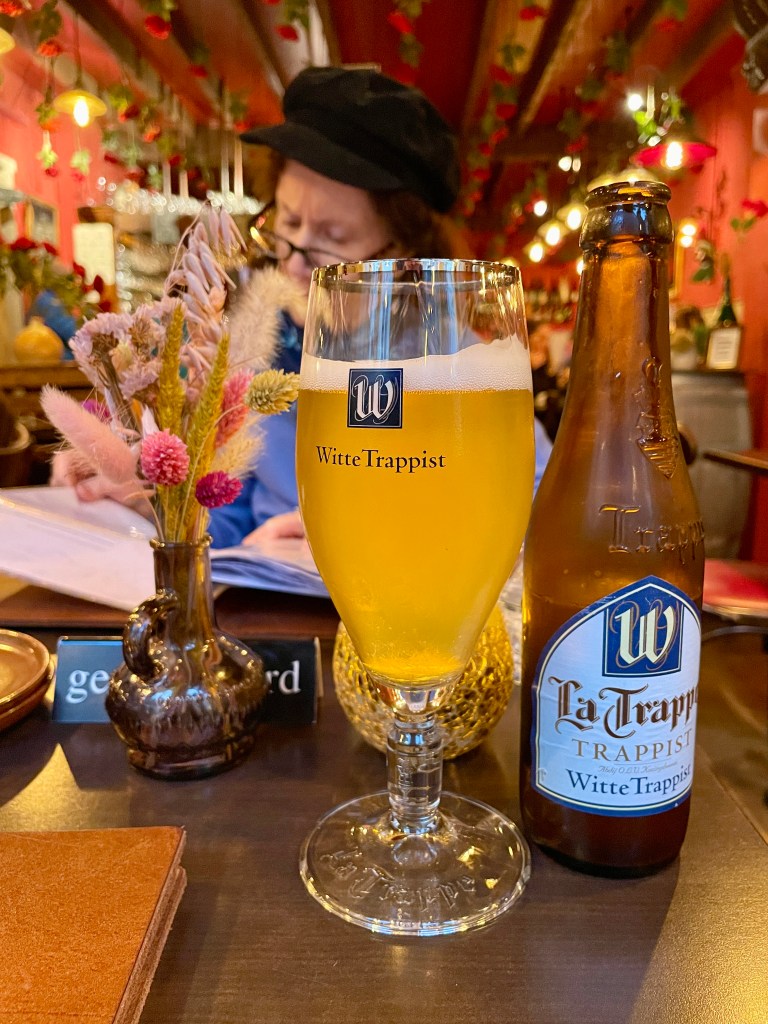
As we were early birds, kind waiter let us take a table for a few hours and we tucked into frites (another Belgian classic) and Trappist beers. As the menu states, Trappist beer must be brewed within the walls of an abbey under the supervision of a monastic community. A word to the wise – Bruges is mad about dinner reservations and shops close at 7pm!
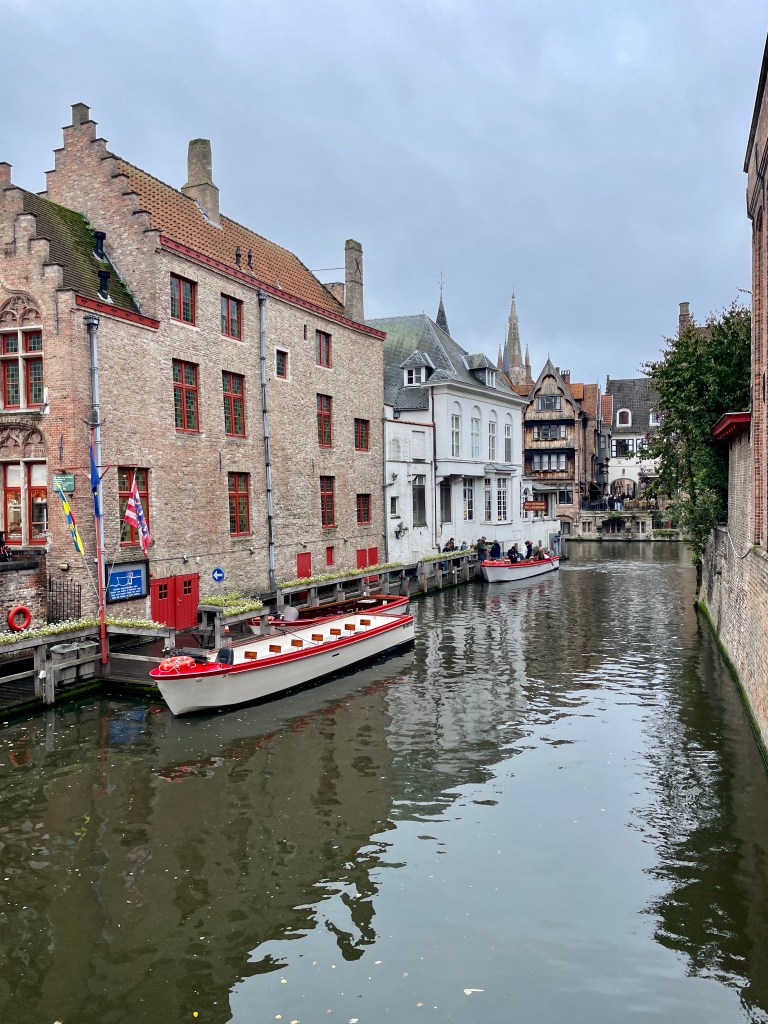
The next day, we took walking and boating tour of the city which met in the main market square. The square is notably helmed by the Bruges Belfry (of In Bruges fame). No better way to see a city than by water.
Our local guide, Jacques, began by answering one of our burning questions – what is the difference between Flemish and Belgian? Short answer: Flemings (as they’re known) are a regional subculture within Belgium. They have their own language (the southern variant of Dutch) and customs. This also helped answer our second question – what language is spoken in Belgium?
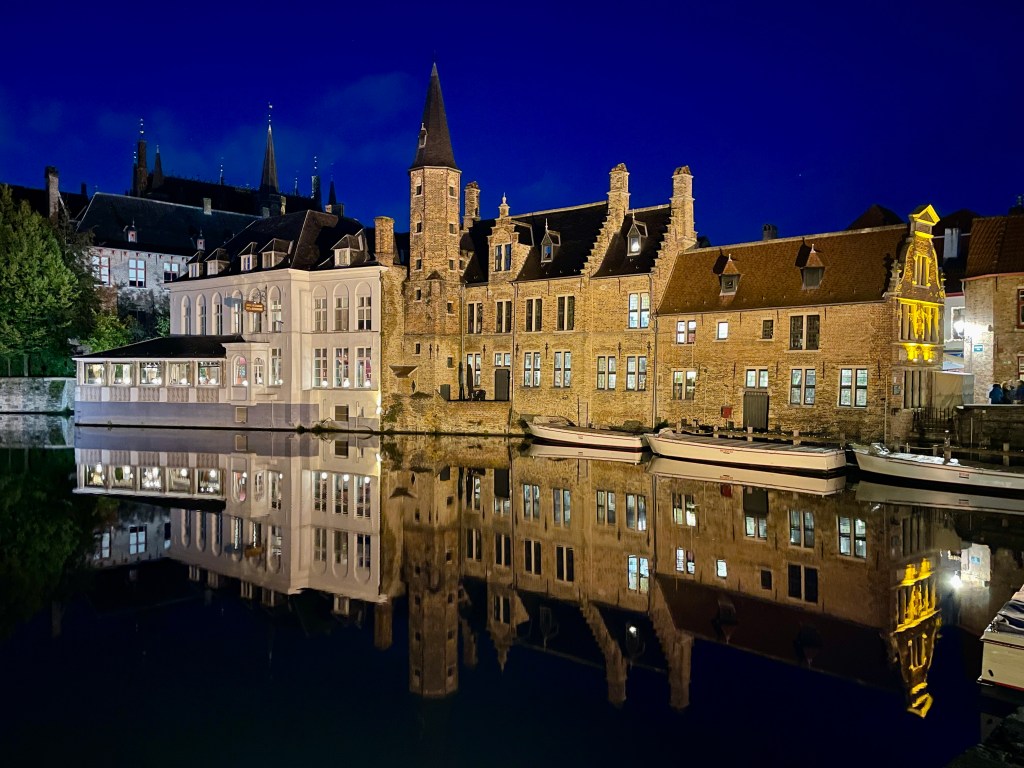
Turns out 3/5 of Belgium speaks Dutch. A third of the country speaks French and 1% of the country speaks German. Silly me, I had expected to rely on my high school French to get us by. With the language question put to rest, we settled in to enjoyed the rest of our time in Bruges. An evening stroll under a velvety blue sky capped off our stay.
All too soon it was time to say goodbye to lovely Bruges. The next stop on our art history tour – The Ghent Altarpiece – beckoned and we were all too happy to answer the call.
Hard to believe but October has come and gone. Istanbul hinted at fall temperatures but we have weather in the 70s once again. With a week off for fall break, I wanted to take advantage of the shoulder season for European travel. Less crowds! Back in January of 2020, I designed a little tour of Belgium. While that trip never came to be, I never stopped thinking about the adorable country in northern Europe, an art historian’s dream. So, when Belgium beckoned once again, I invited my mother to join the fun.
I flew to Amsterdam, arriving among the midday drizzle at Schiphol. One of my favorite airports, Schiphol is also a train station. There’s nothing more convenient then exiting baggage claim and hopping on an intercity train only moments later. The Hague was my first stop.
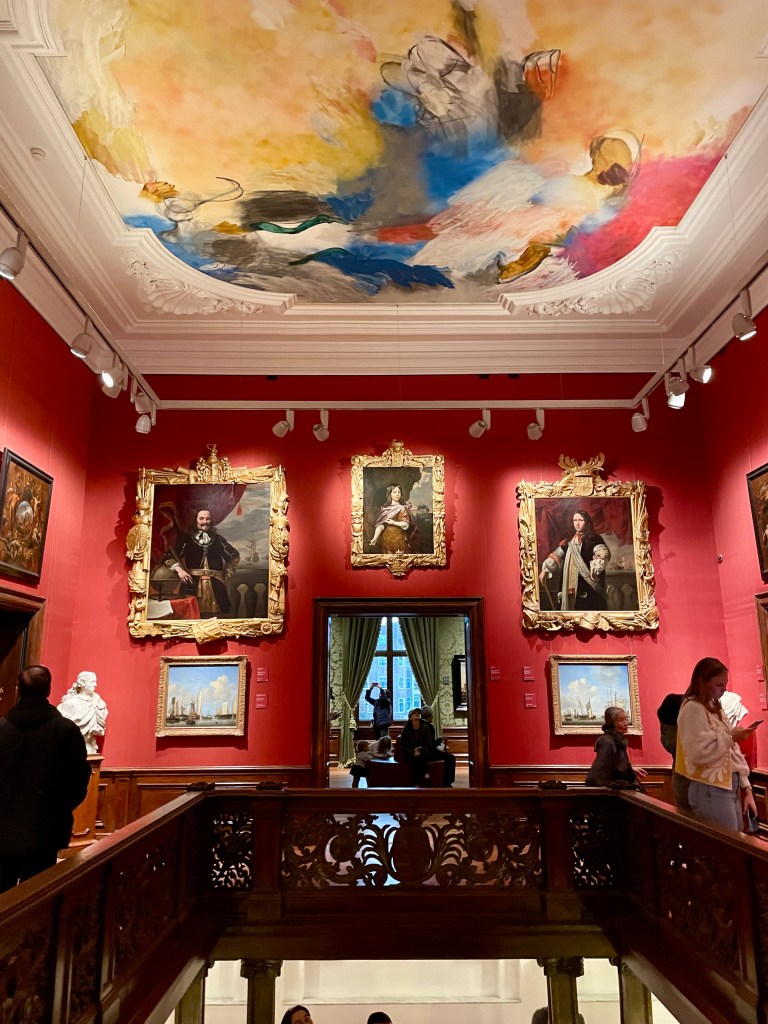
I came for the art. A few years ago, I read The Goldfinch by Donna Tartt. Took me two tries to get through the first 50 pages but it became a COVID highlight. A modern day Catcher in the Rye mixed with some Dutch art history – it had my attention. The painting which inspired the tale hangs in the Mauritshuis, a museum in Den Haag.
Painted in 1654 by Carel Fabritius, The Goldfinch (above, right) was a bit ahead of its time. Shapes of color blocked in by loose brushstrokes, this technique was not common before the Impressionists employed it centuries later. It is both unassuming and powerful, no larger than the size of a book. Vermeer’s Girl with a Pearl Earring hangs nearby, also remarkable in its allure.
After a night at the adorable Park Centraal Den Haag, I took the train back to Schiphol to greet my mother’s flight. Flying the new JetBlue route direct from Boston, Mom arrived with impressive energy despite the overnight flight. We bought train tickets and headed for Belgium.
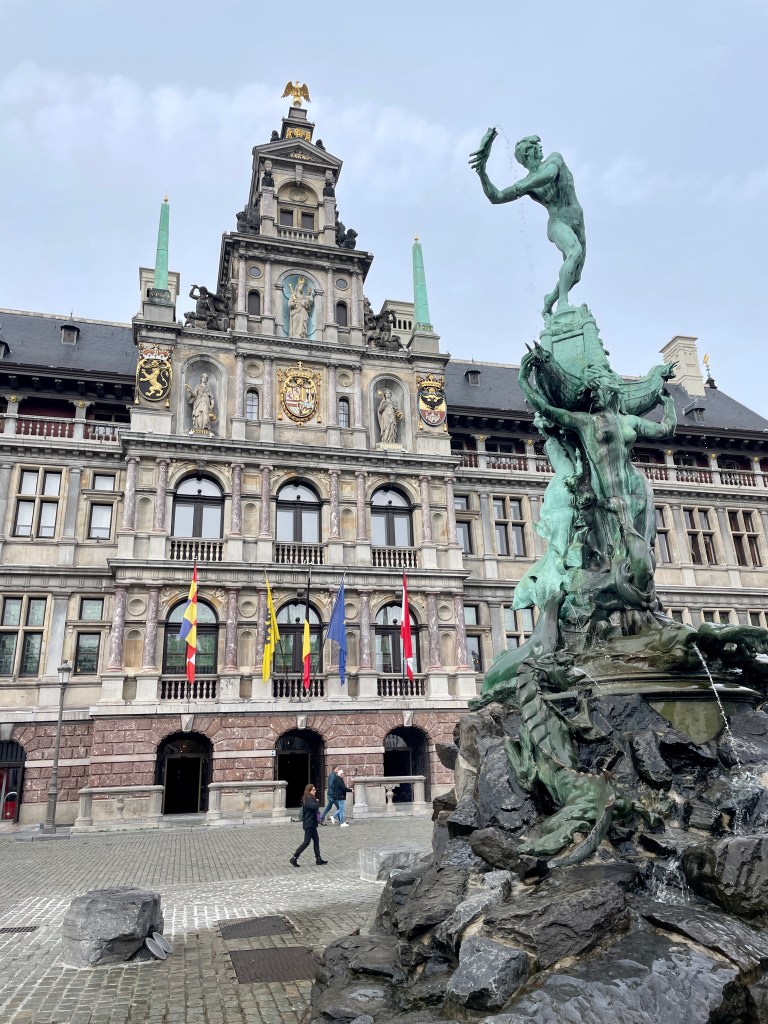
No customs, no waiting across borders in the EU – we rolled across the Netherlands and into Antwerp with no issue. Uber from the train station got us to our Airbnb and we found ourselves well-situated to the nearby Cathedral of Our Lady and Grote Market Square.
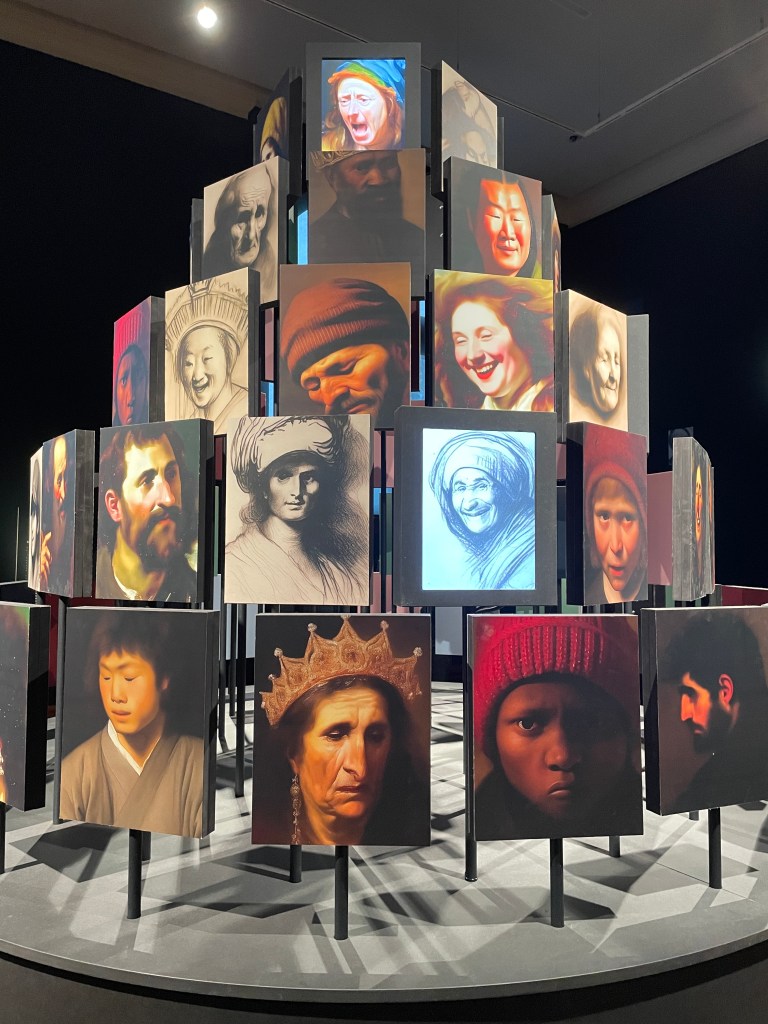
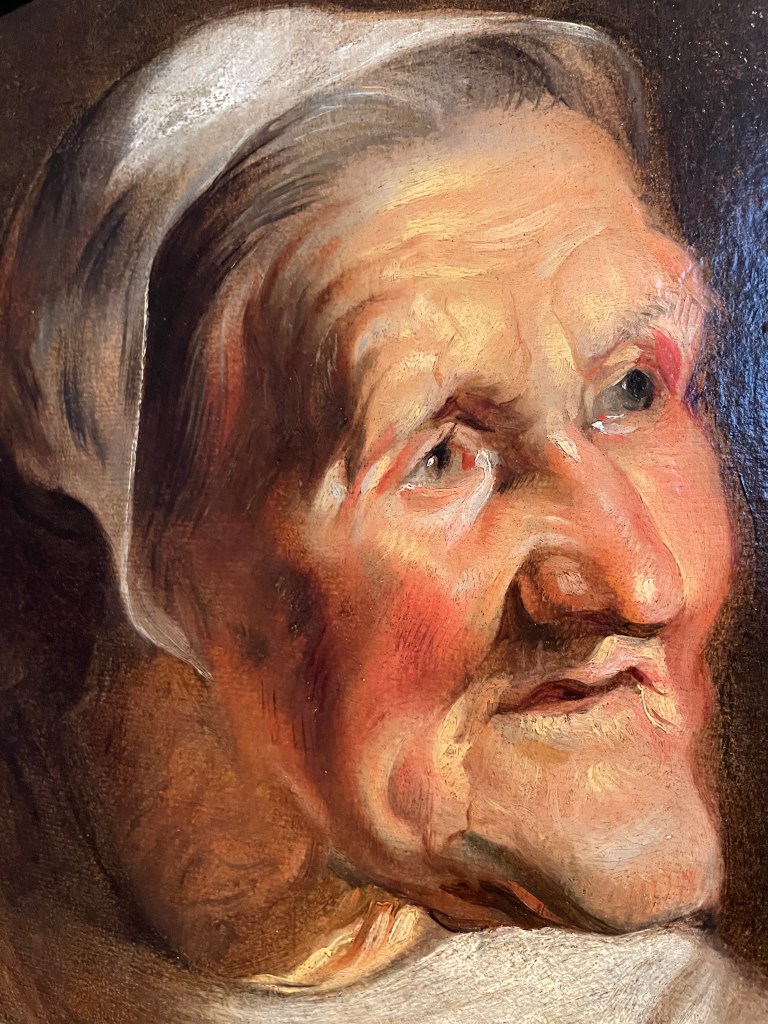
The second largest port in Europe, Antwerp was the home of revered Dutch artist Peter Paul Rubens. We were lucky enough to see his work in the newly renovated Royal Museum of Fine Arts (KMSKA). There we caught the work of Rembrandt and Bruegel in a face-focused exhibition.
Ever since I was introduced to the Dutch and Flemish Masters back at the Peabody Essex Museum, I’ve been in awe of the warm light emanating from the canvas during this time period, earning the name “The Golden Age”.
Antwerp proved the perfect starting point for our trip to Belgium – a walkable mid-sized city with all of the amenities. Questions as yet unanswered… what is Flemish culture and which languages are spoken in Belgium? More to come. Next up – Bruges!
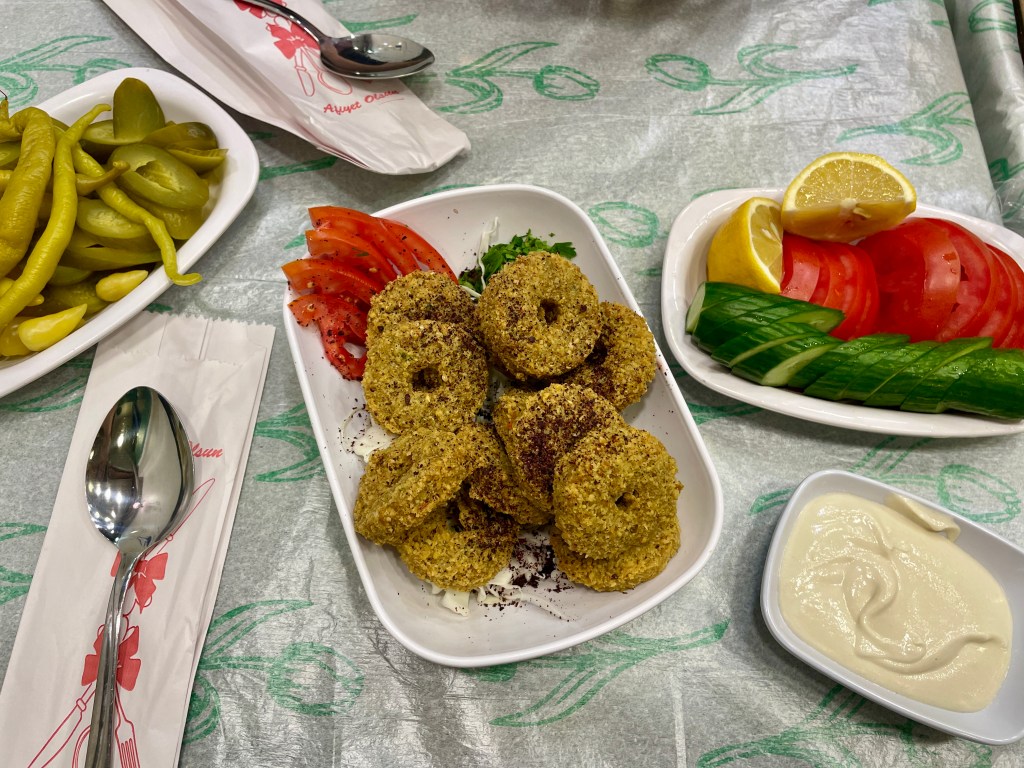
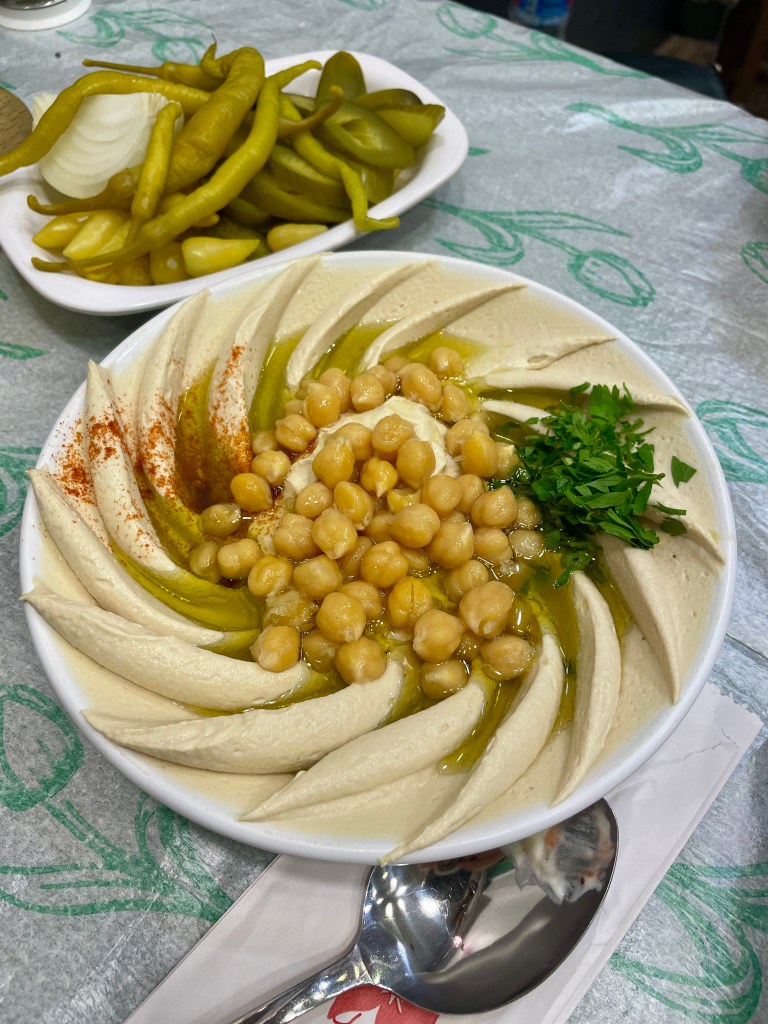
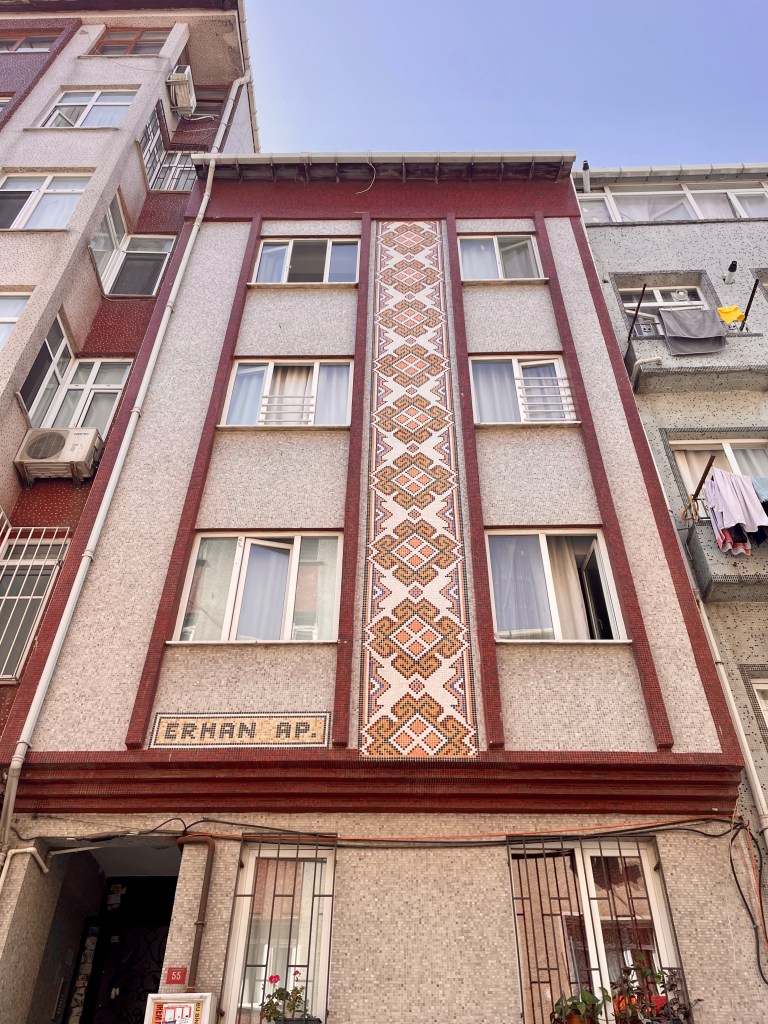
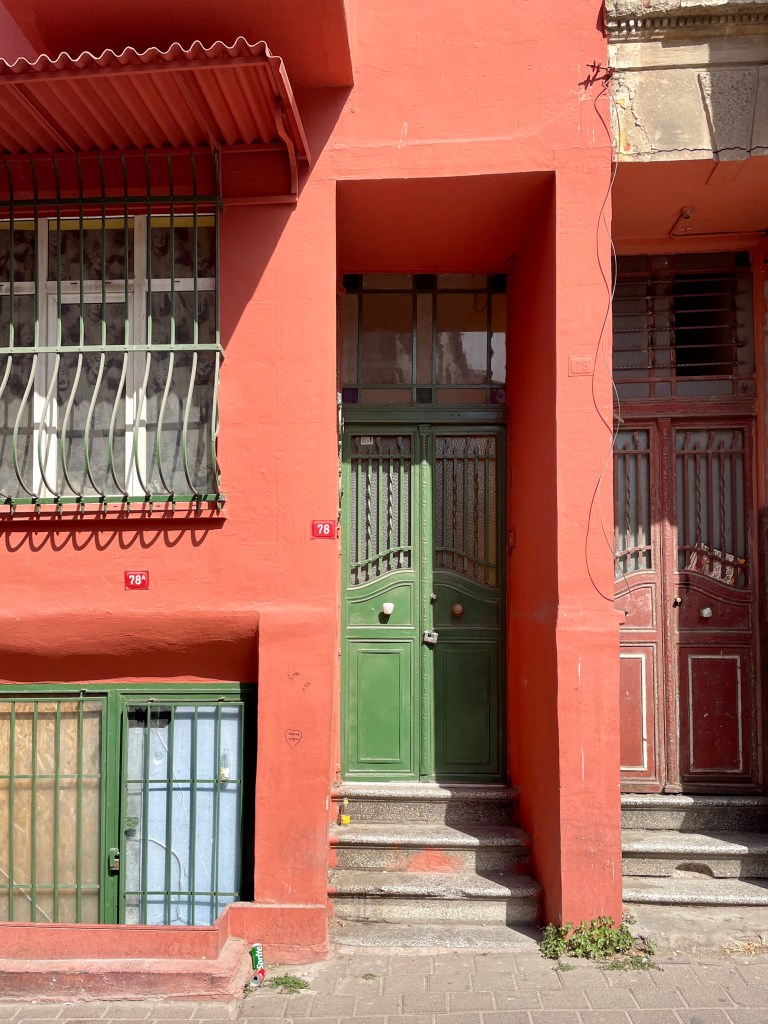
We started the day in central Fatih, retracing the path of my Syrian food last winter. Fortified by a brunch of hummus, falafel, and pickled vegetables, we walked past the Fatih Camii (mosque) and through the hilly backstreets to Balat. Ornate architectural touches dotted our path.
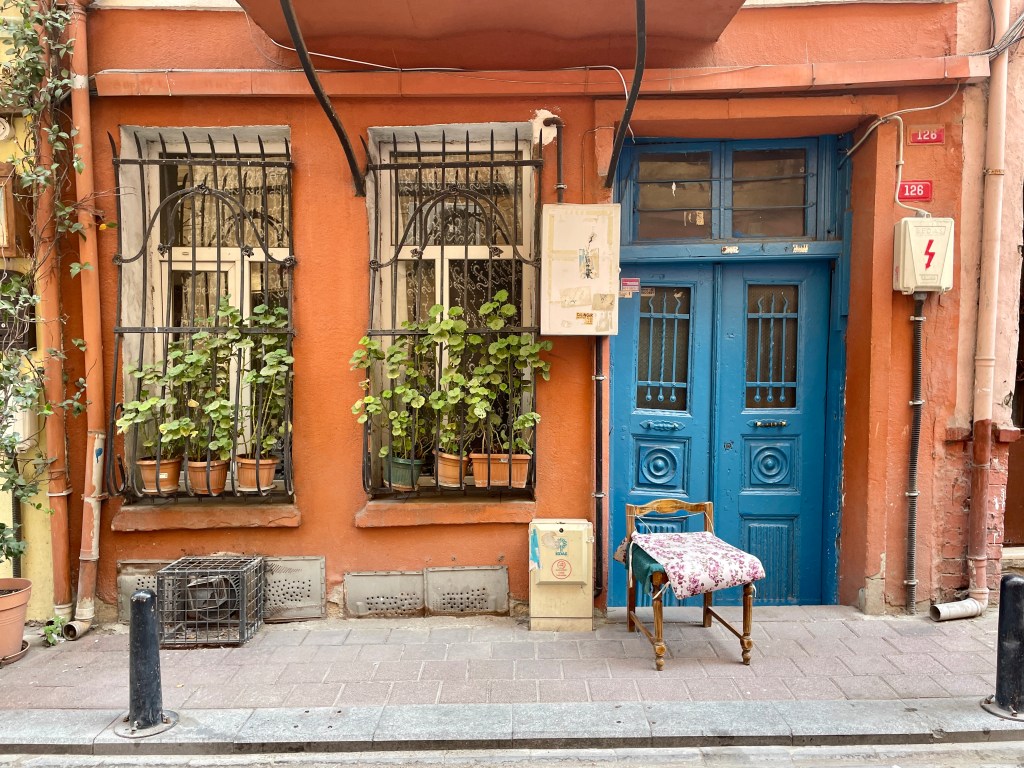
Pops of color beckoned around each corner alongside crumbling sidewalks and structures. This dichotomy of beauty and detritus is woven into the fabric of Istanbul, and it certainly something I’ve come to appreciate. You can’t have one without the other – they enhance each other.
We knew we’d reached Balat when the cafes spilled out into the street and cute boutiques appeared at every turn. After an iced coffee at Artlocalist, we went on a little hunt for treasures to bring back to friends and family in the States.
Balat proved just as charming as promised. As autumn makes its way towards Istanbul, I look forward to the chance to walk the streets far from the madding crowd that is tourist season here. I will return to see the beautiful painted ceiling of the Yanbol Synagogue and take in a new cafe someday soon.
I would be remiss to not mention that this post was delayed due to the passing of my Uncle Dick. It’s hard to believe that he has left us but I’m also thankful that dementia no longer holds a grip on his keen intellect.
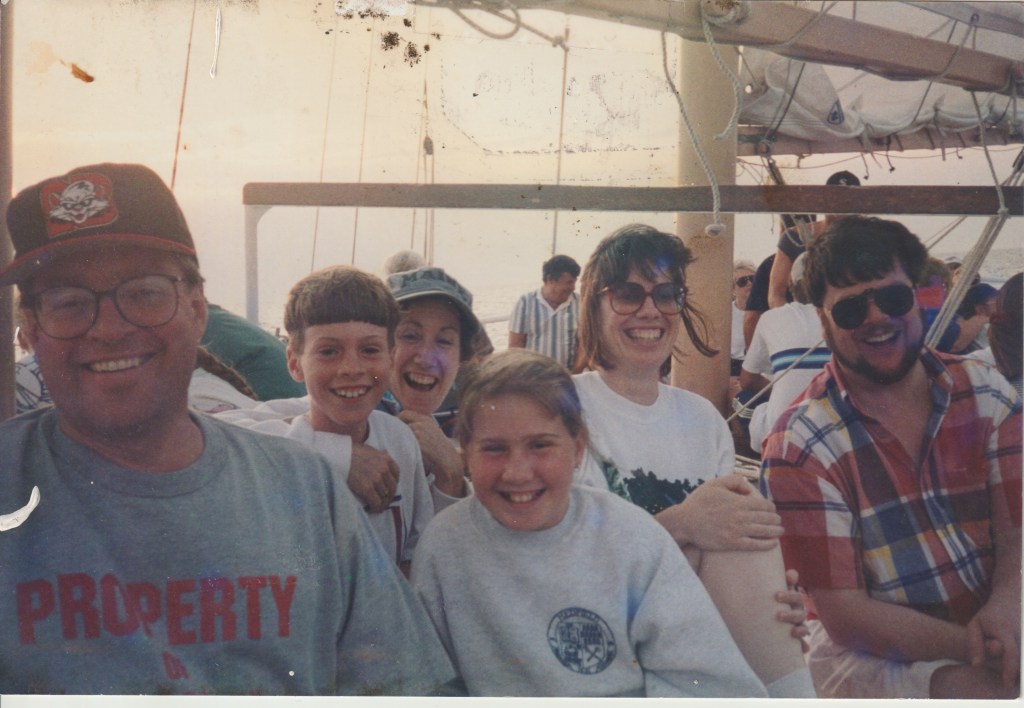
I love this picture of all of us down the Cape years ago. We spent many a summer in East Dennis, famously tagging downed trees together after Hurricane Bob in 1991. He taught me how to play chess and never let me win at Scrabble – not even once 😉 He was always a supporter of my life abroad, eager to discuss foreign affairs and current events when I returned to the States for a visit.
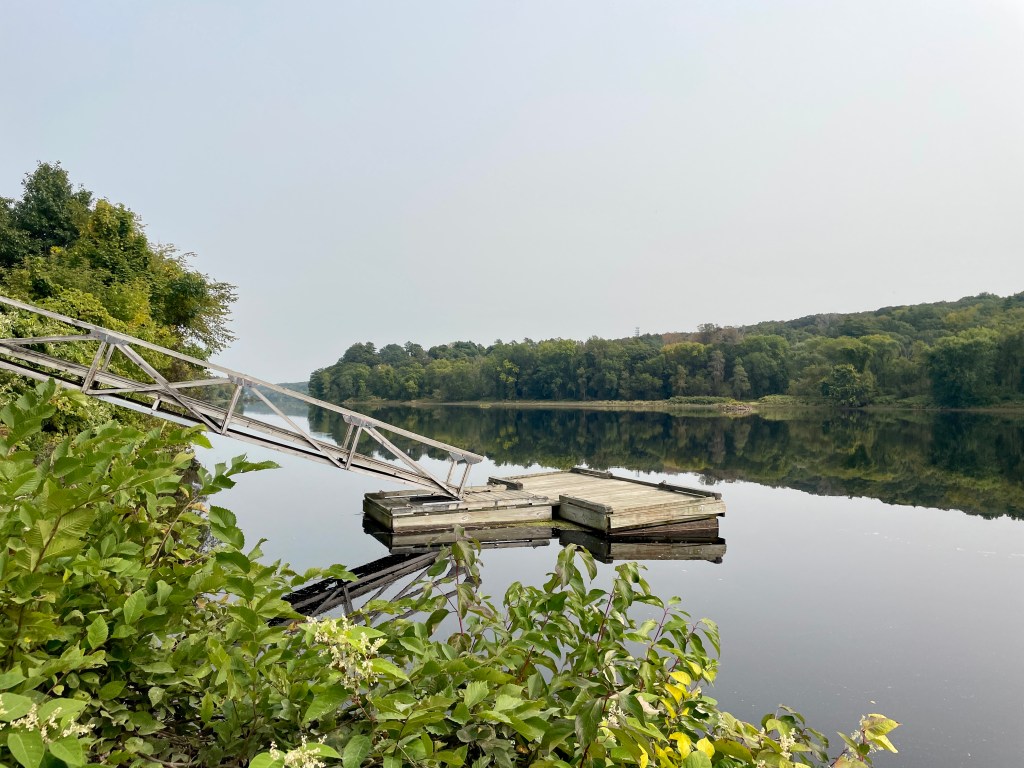
I’m very thankful for the opportunity to be with my family and honor his memory. My time in Maine was peaceful, spent along the Kennebec River where he and my aunt made their home. His legacy of service to the state of Maine lives on in the stories told by those who knew him best. He will be missed.
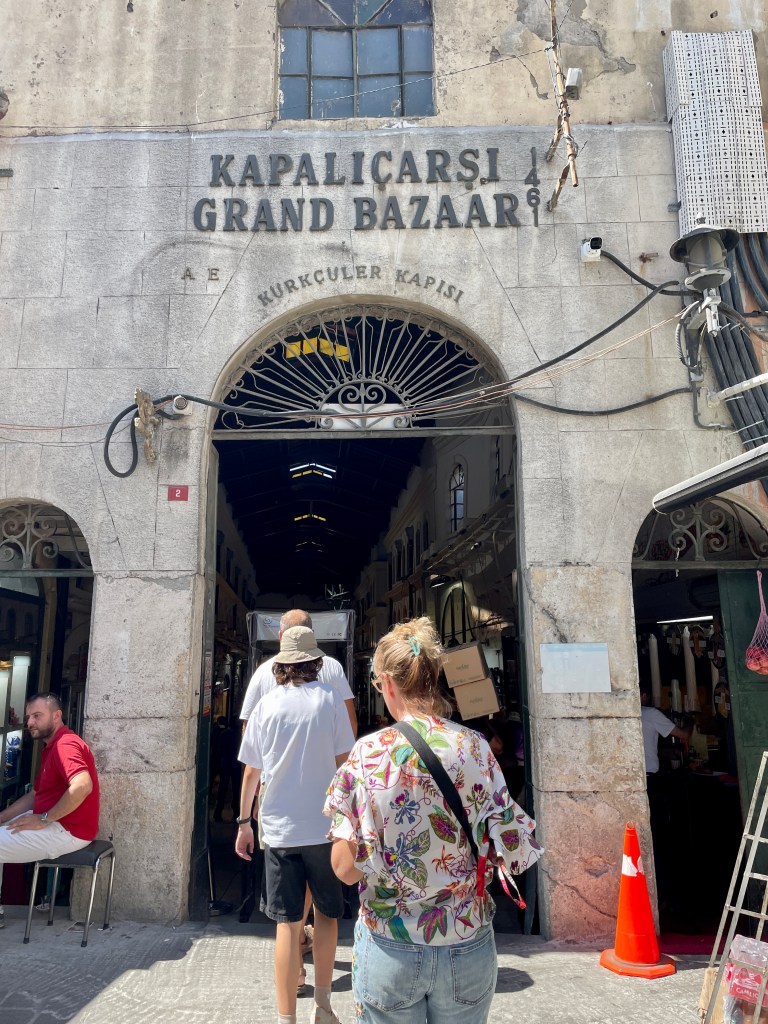
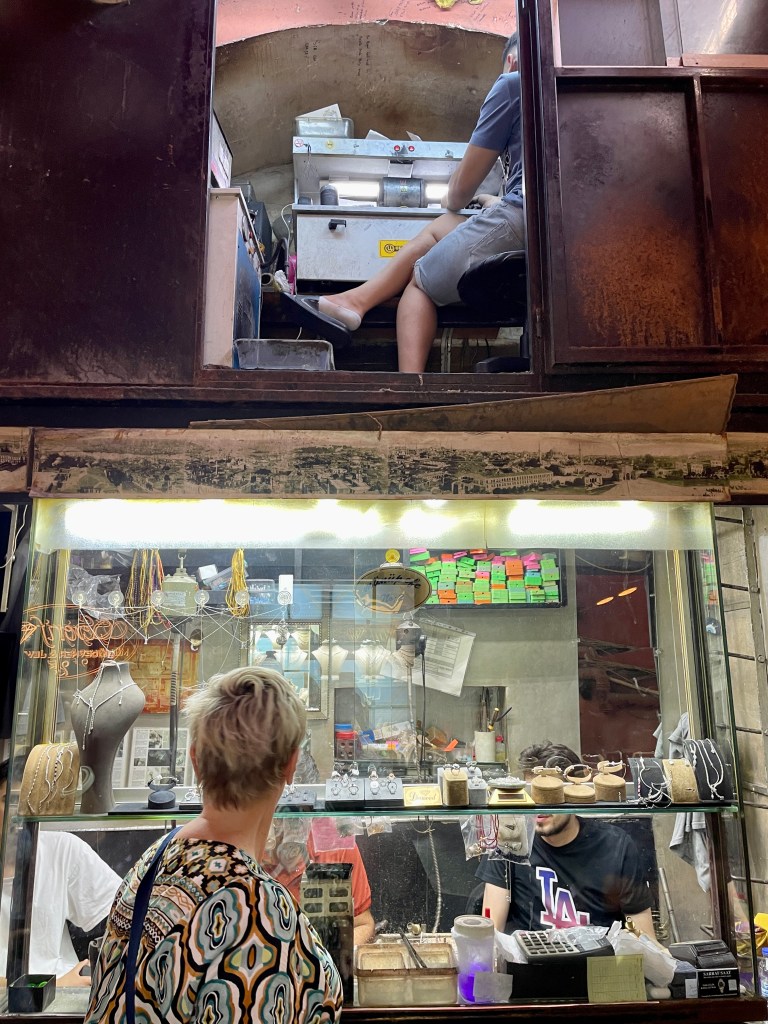
Today’s tale begins with a quest – my friend Karen wished to purchase a few lamps. My friend Michele knew someone (Mandy) who knew a lamp guy. Enter: a trip to Istanbul’s Grand Bazaar. We decided to make an afternoon of it and it turned into quite an adventure. Hard to put into words but I’ll try…
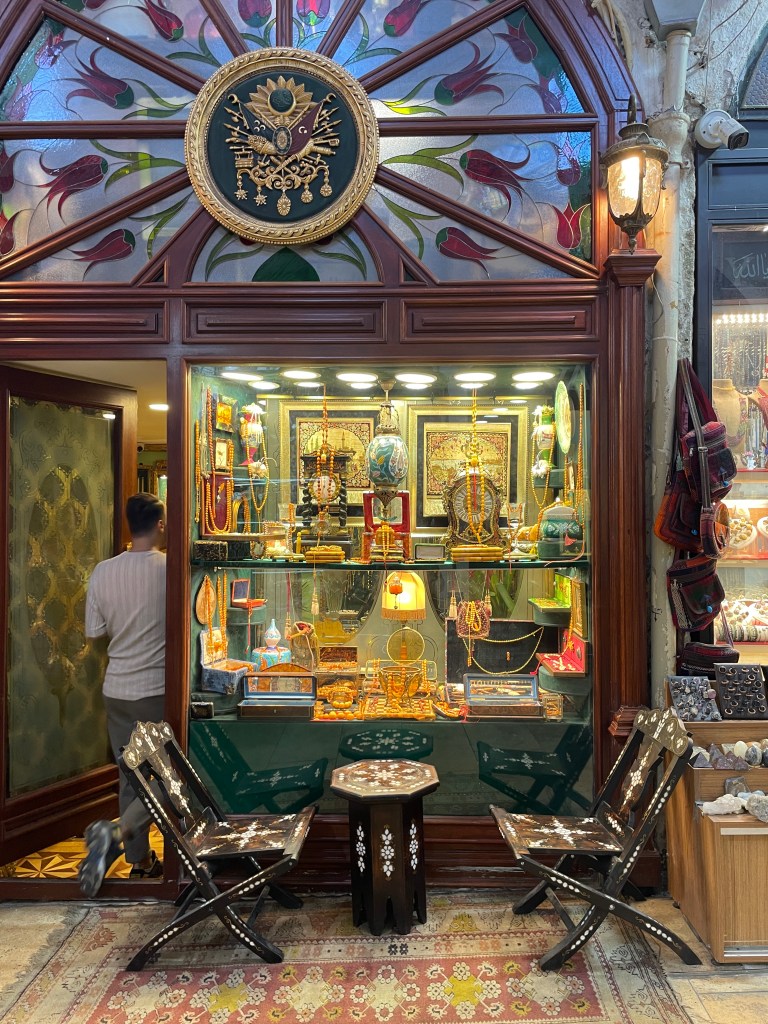
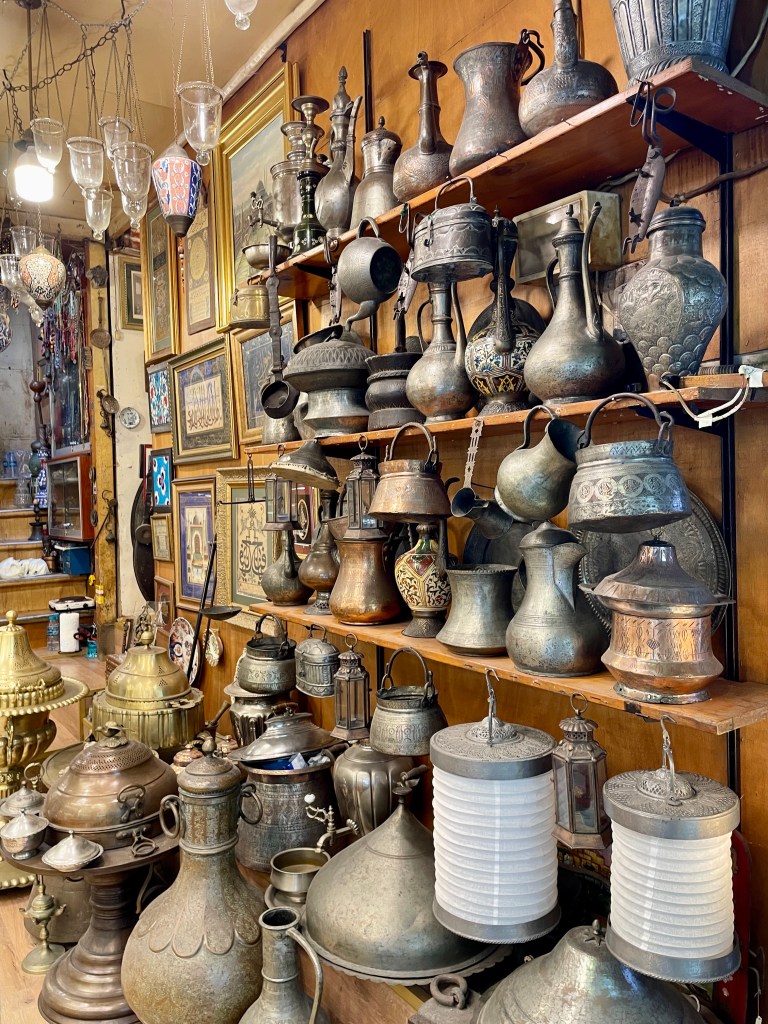
The Grand Bazaar (Turkish: Kapalıçarşı, meaning ‘Covered Market’; also Büyük Çarşı, meaning ‘Grand Market’) in Istanbul is one of the largest and oldest covered markets in the world, with 61 covered streets and over 4,000 shops on a total area of 30,700 m2, attracting between 250,000 and 400,000 visitors daily. In 2014, it was listed No.1 among the world’s most-visited tourist attractions with 91,250,000 annual visitors. (Wikipedia) The Bazaar opened during the winter of 1455/56, shortly after the Ottoman conquest of Constantinople.
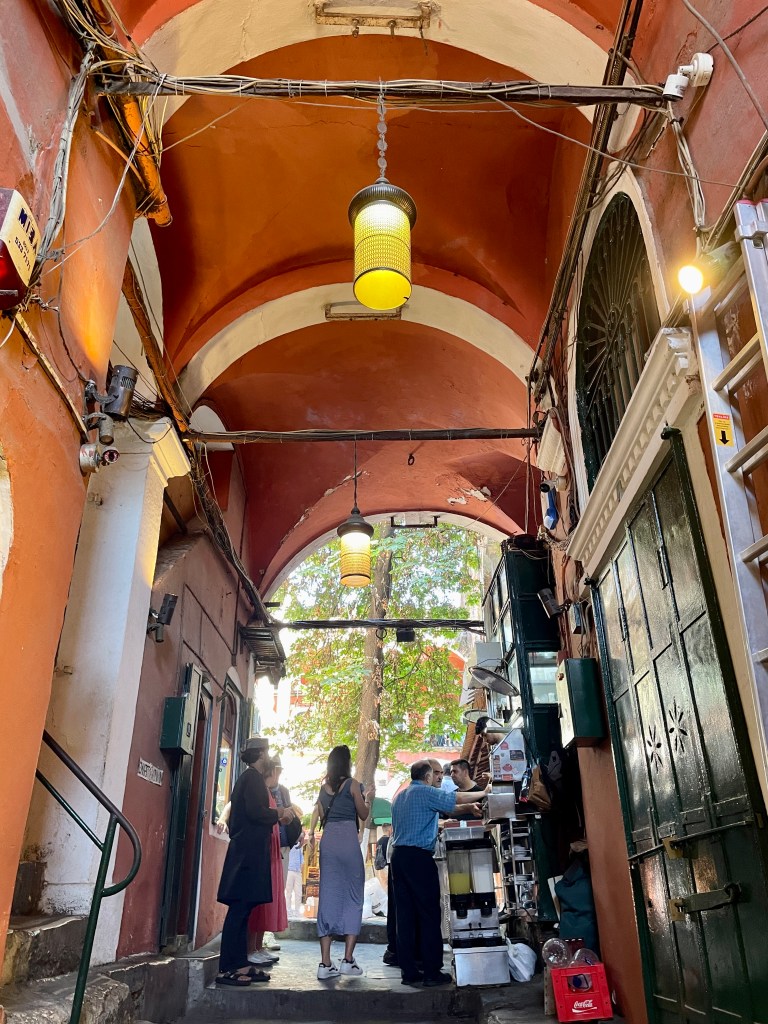
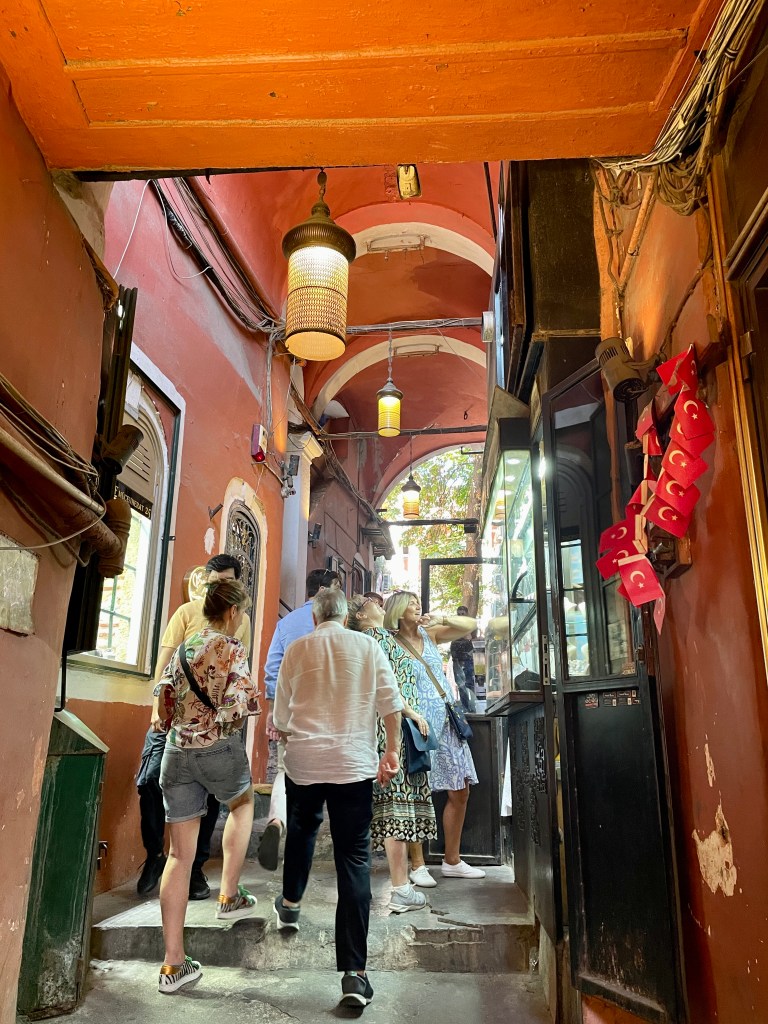
Quite simply, this maze of alleyways and covered corridors is intimidating. Thankfully, we had Mandy, who knows everyone. A septuagenarian who has entertained a multitude of entrepreneurial endeavors over her decade in Istanbul, Mandy knows everyone. Vendors shouted out her name in greeting as we passed. They ushered us into their stores, plying us with leather jackets and hilarious complements. She asked about their mothers, their nephews, and their personal health. It was quite an sight to behold.
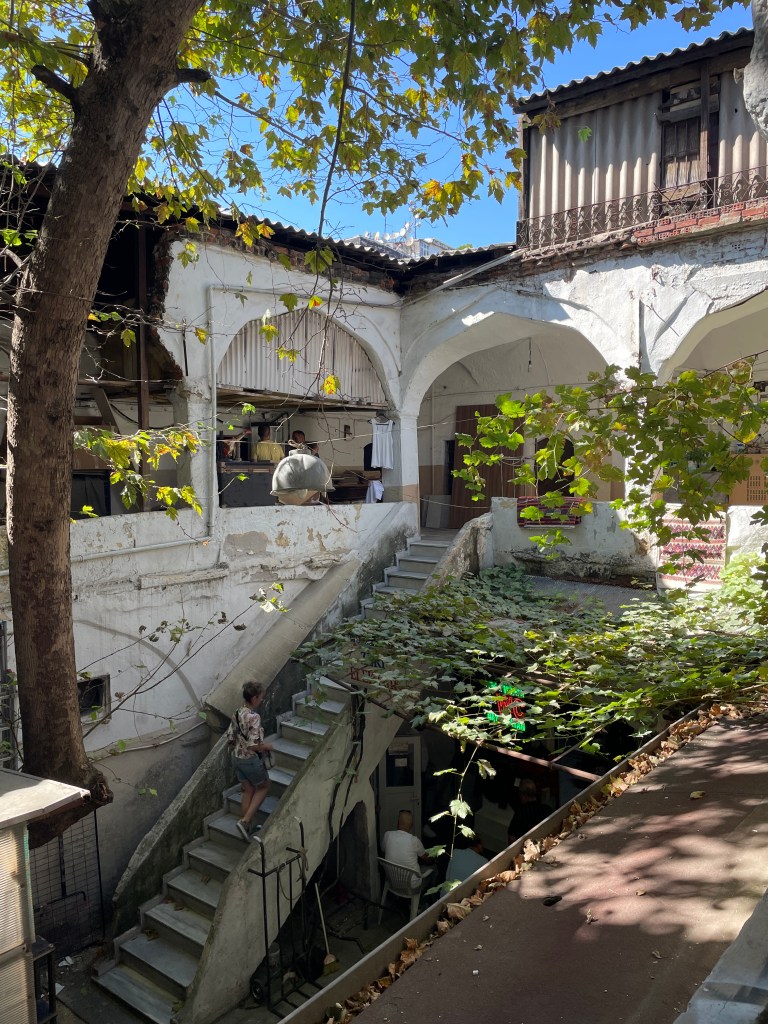
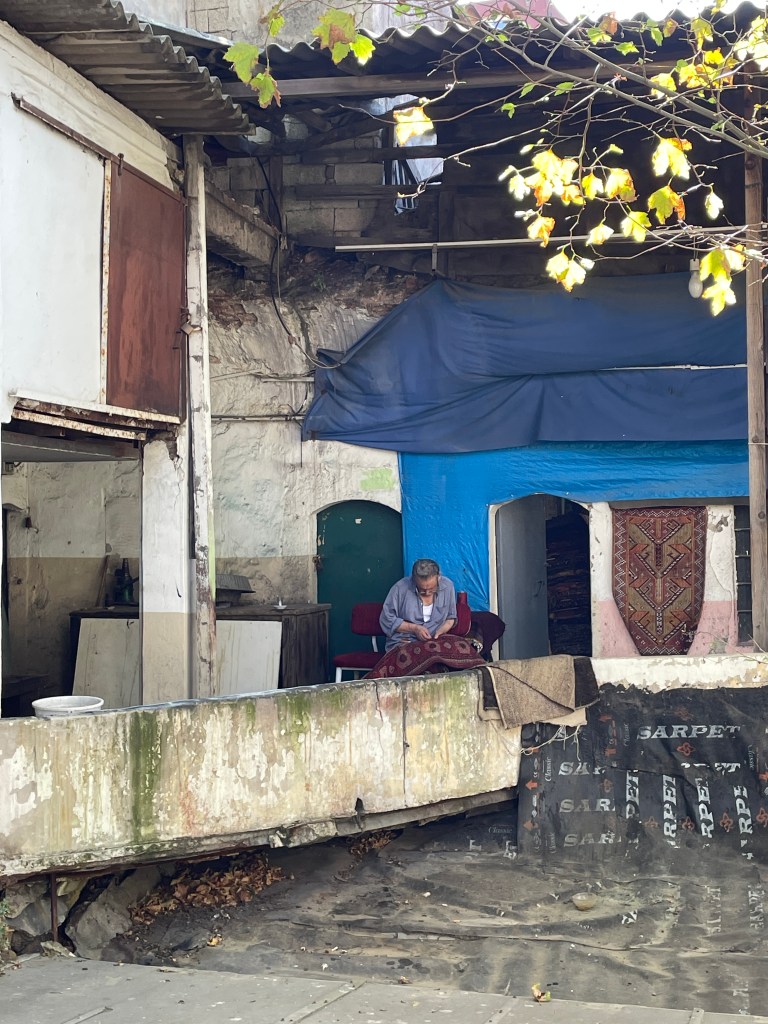
Mandy and Michele deftly led us through the Bazaar, eventually through an alleyway which opened into a courtyard where men sat on stools sipping chai below a leafy green arbor. A cat slept under the shade of a grape leaf while a textile artist shaved a rug up on the roof, seemingly light years above from the hustle and bustle of the Bazaar.
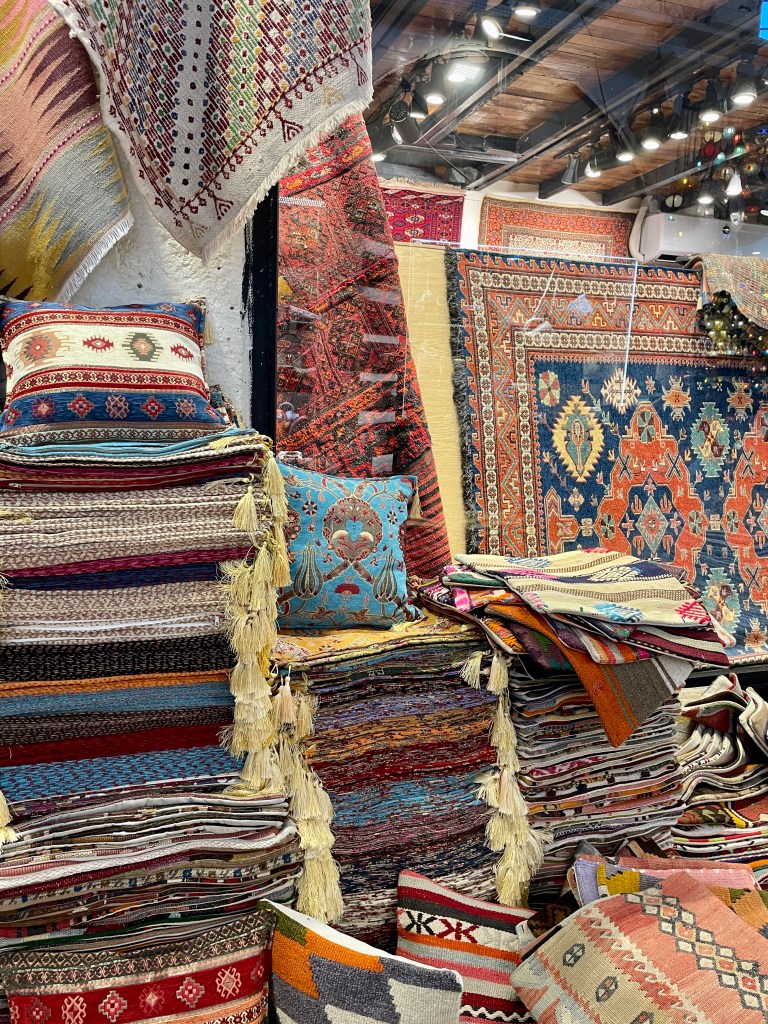
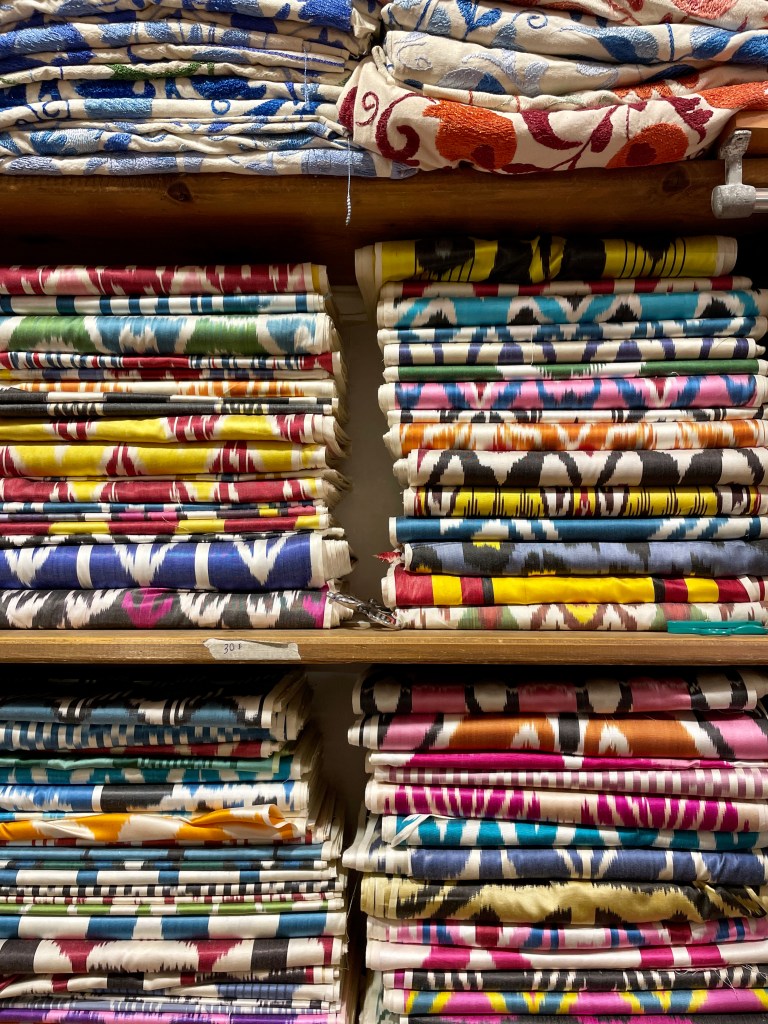
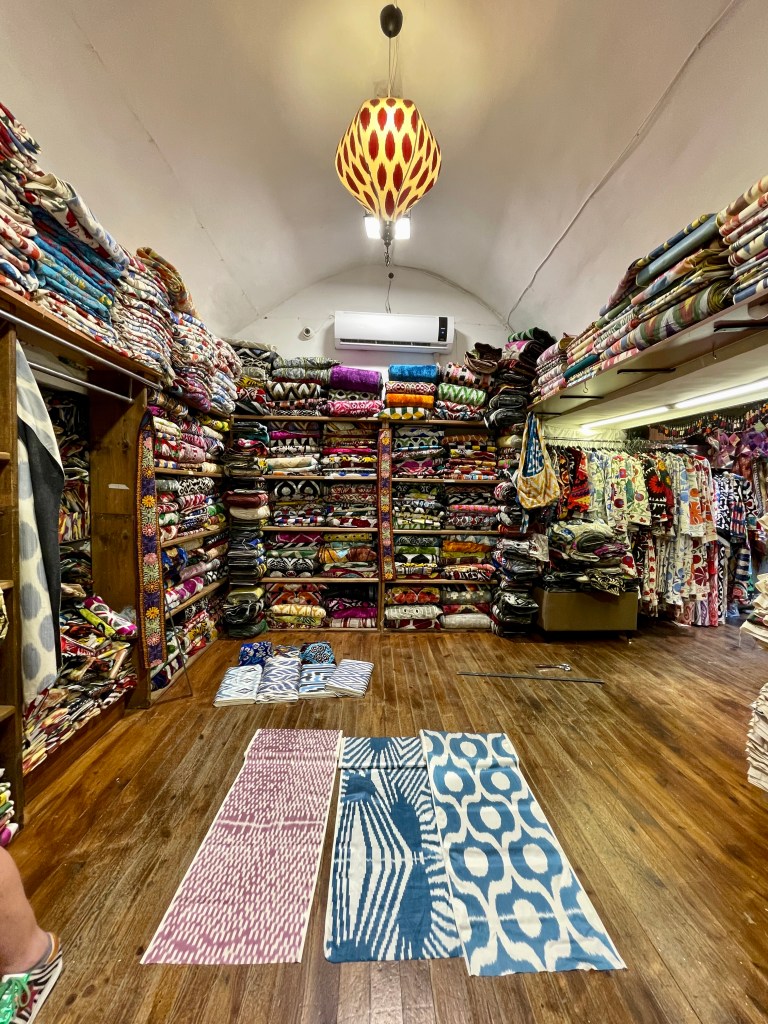
We were ushered into a shop filled floor-to-ceiling with Uzbek fabrics of every pattern and color imaginable. The shopkeepers immediately offered us tea (“chai”), coffee, or water (“su”), as is customary. It was so bloody hot that we gladly accepted a cool drink. Owing to their faith in Mandy’s choice of company (as well as, no doubt, our foreign change purses), we were left alone to make the store our personal closet.
We tried on coats of technocolors rivaling Joseph’s own. Mandy and Michele searched for pillow fabric (front, back, and piping). I helped Karen choose three suitable lampshade fabrics to suit her new apartment with great views on the Bosphorus.
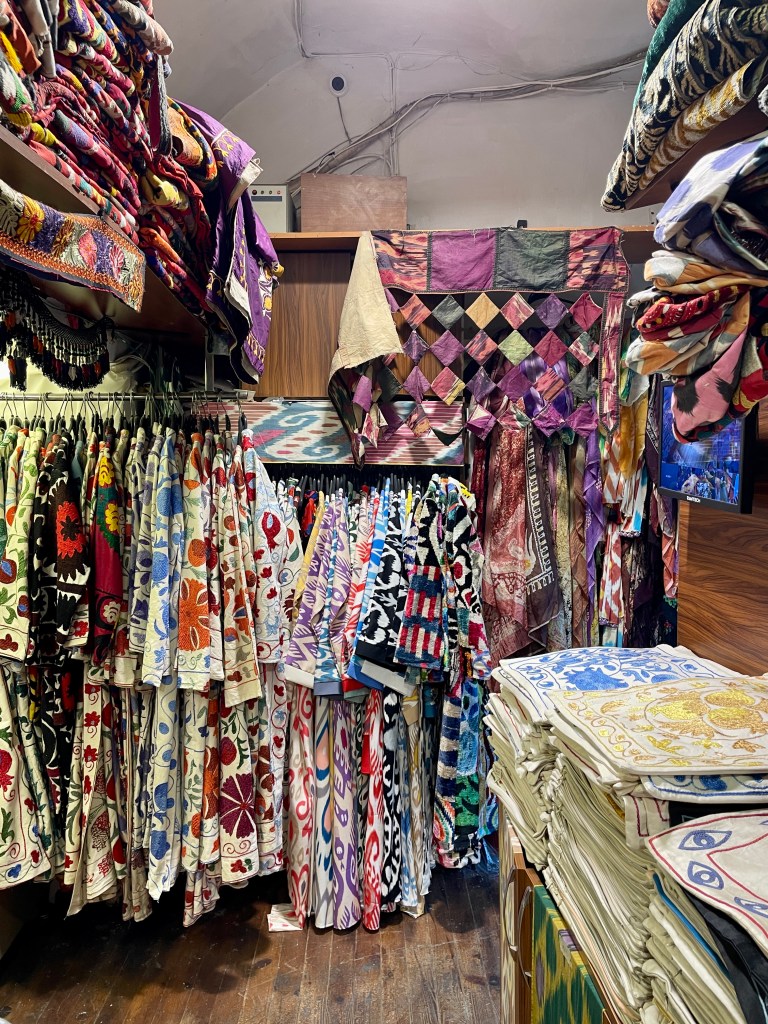
Near the door, I spotted a unique tapestry featuring squares of fabric sewn in diamond formation (above right). It reminded me of something that might hang over a doorframe and, in fact, it was. Over 80 years old, an antique from Uzbekistan. Frayed at the edges and in need of a little TLC, the colors were beautiful and I knew they would do perfectly over my headboard. You see, in the land of the moving fault lines, you don’t hang framed artwork above your bed. The tapestry was too good to pass up.
Everyone made their purchases, with a bit of a comedy ensuing. Each of us checking our Turkish bank accounts to sell dollars for lira, using credit cards from New Zealand and Australia, or a fresh $100USD from the States. Quality goods do not come cheap! Even in Istanbul. We walked out a couple hours later, our pockets a little lighter, but each with treasures to cherish.
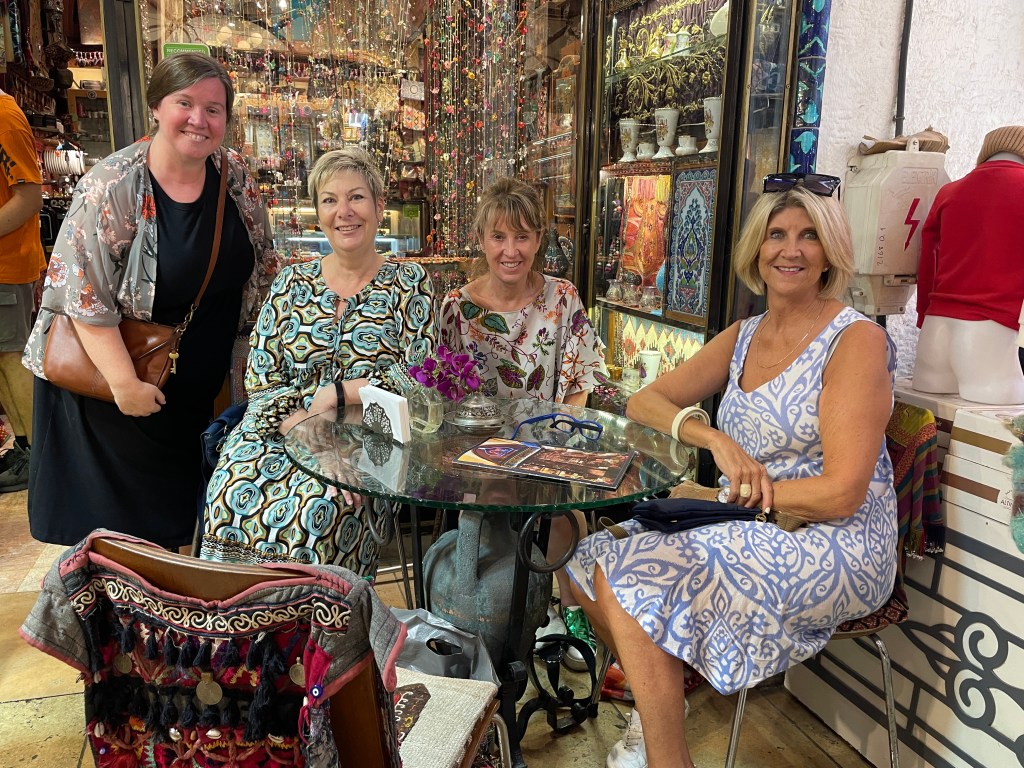
In the steamy August heat, we were in need of another cool drink. Strolling the Bazaar, Michele spotted a favorite cafe (Çinili Cafe) and we scored a corner table. Over an iced chocolate and sweet pastries, we relished our purchases and the kindness of the shopkeepers who had taken good care.
We got to talking with our waiter, who turned out to be the cafe owner’s son. Mandy asked a question about a Muslim sect and the young man replied that he didn’t know, his family was Christian. So unusual! In this land of Islamic faith, only 0.2% of the population is Christian. I taught a few cousins last year from Mardin, an ancient town in eastern Turkey which was founded in the 11th century BC. They were passionately proud of their Assyrian Christian heritage.
Turns out Mandy, too, knows a family of Christians from this area, who turned out to be good family friends of the cafe owner. The world really seemed a little smaller in that moment. Catching up on their mutual friends (someone got married last year), the cafe owner also shared that he has worked in the Grand Bazaar for 54 years.
A fascinating and intimate subculture lives within the passageways and alleyways of the Bazaar, one I only caught a brief glimpse of that day. I look forward to going back in the future and bringing guests to Mandy and Michele’s favorite haunts. It does not seem quite so intimidating anymore, instead more of a new city to explore. With a quarter to half a million visitors per day, this concept tracks.
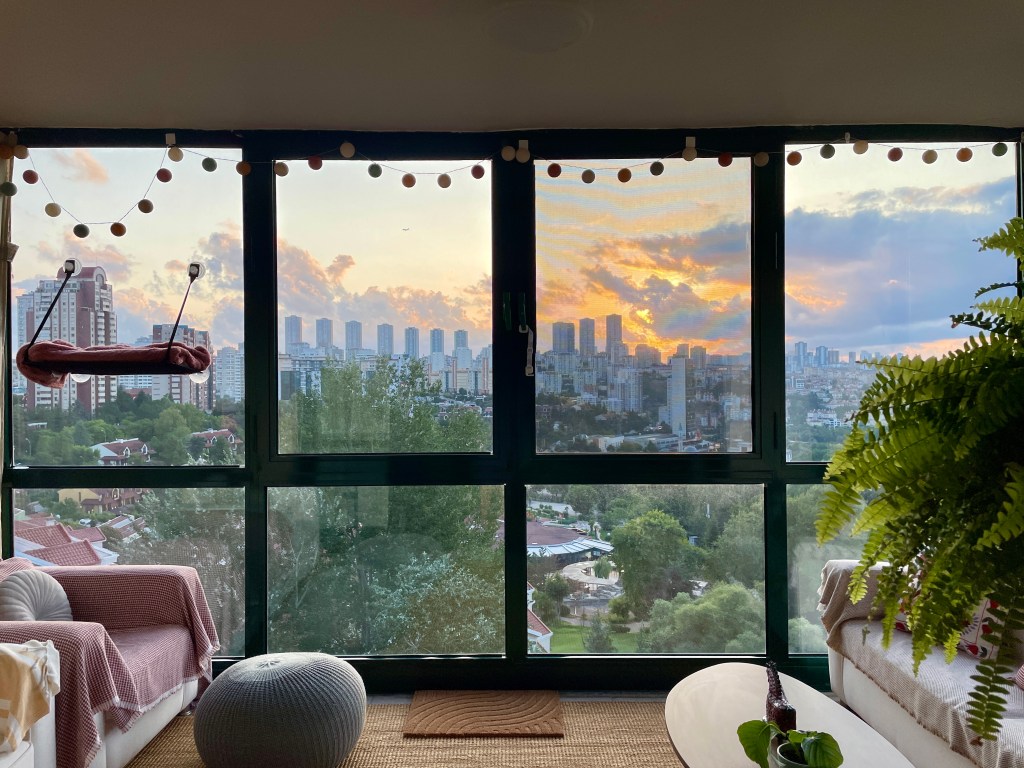
Back at home, I made quick work of hanging the tapestry. I was quite pleased that it looked exactly as I had hoped, pulling all the colors in the room together. A memory of our day at the Grand Bazaar, a seminal experience I will surely never forget.
Grand Bazaar vendors:
Nurem (Uzbek textiles, lampshades, clothing, and pillows)
Aaaaaaaaand we’re back! That’s right – the 2023-2024 school year is underway 🙂 I’m back in Istanbul for Year 2 and, boy, is it nice to no longer be a new hire. So thankful to come back to an apartment which is set and ready to go, to students I’ve already taught, and some good friends living nearby.
Before school kicked off, however, I took a little trip to Romania. Partially to beat the jet lag, partially because I’d heard the architecture was amazing (and it was!). So off to the land of Nadia Comăneci I went.
Just a little over an hour’s flight from Istanbul, Bucharest is yet another fascinating, Post-Soviet capital with a culture all it’s own. Part of my long-term quest to explore the Balkans, Bucharest was just the gem I was hoping for.
For a little context, Romania is a country which sits upon the reputedly (only because I’ve yet to visit) lovely Black Sea. To the north, the country is bordered by Moldova and Ukraine. Owing to Romania’s NATO member status (2004), however, I felt it was safe enough to visit during this time of war because, well, if something happened in Romania, WWIII would most definitely be on.
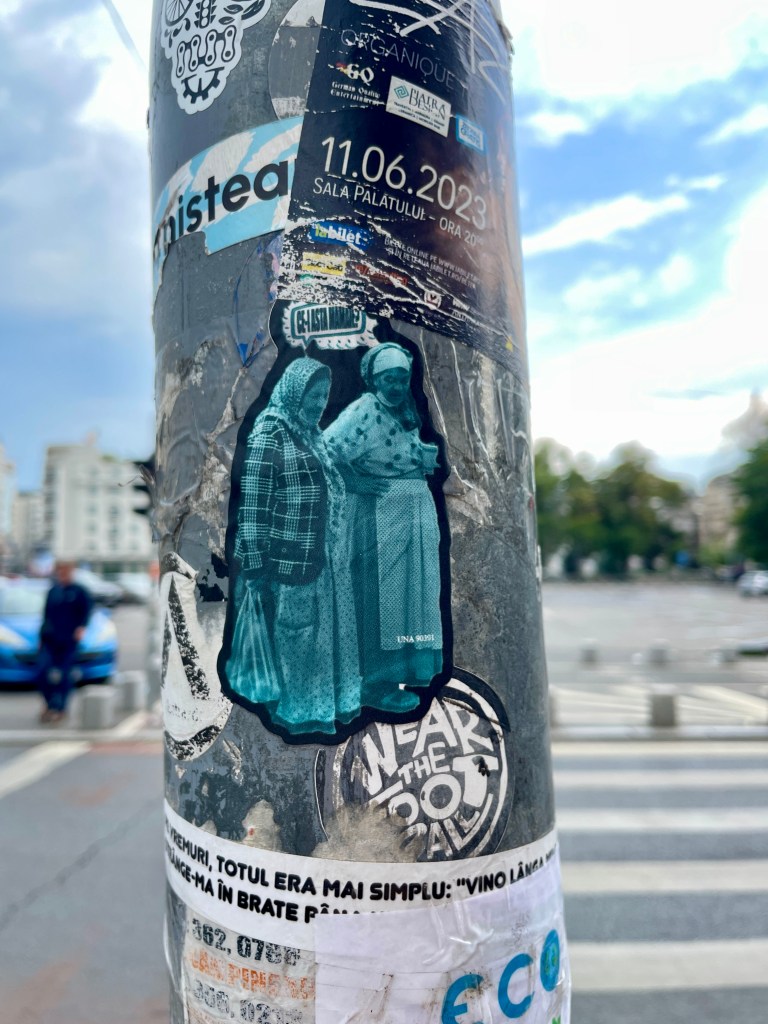
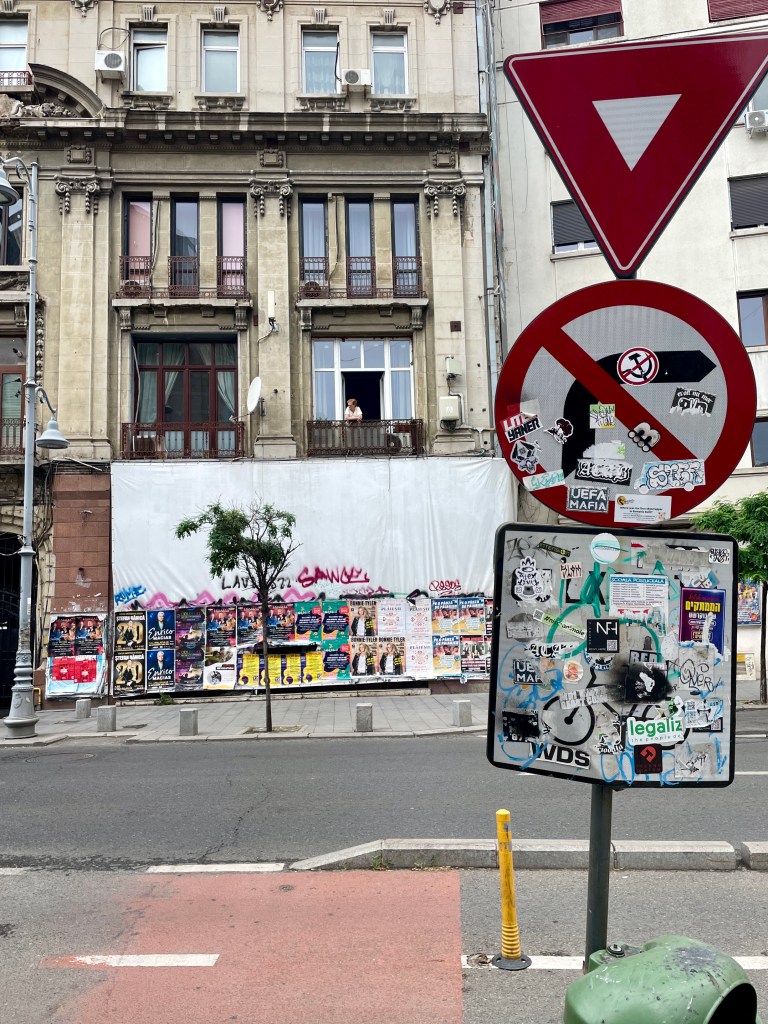
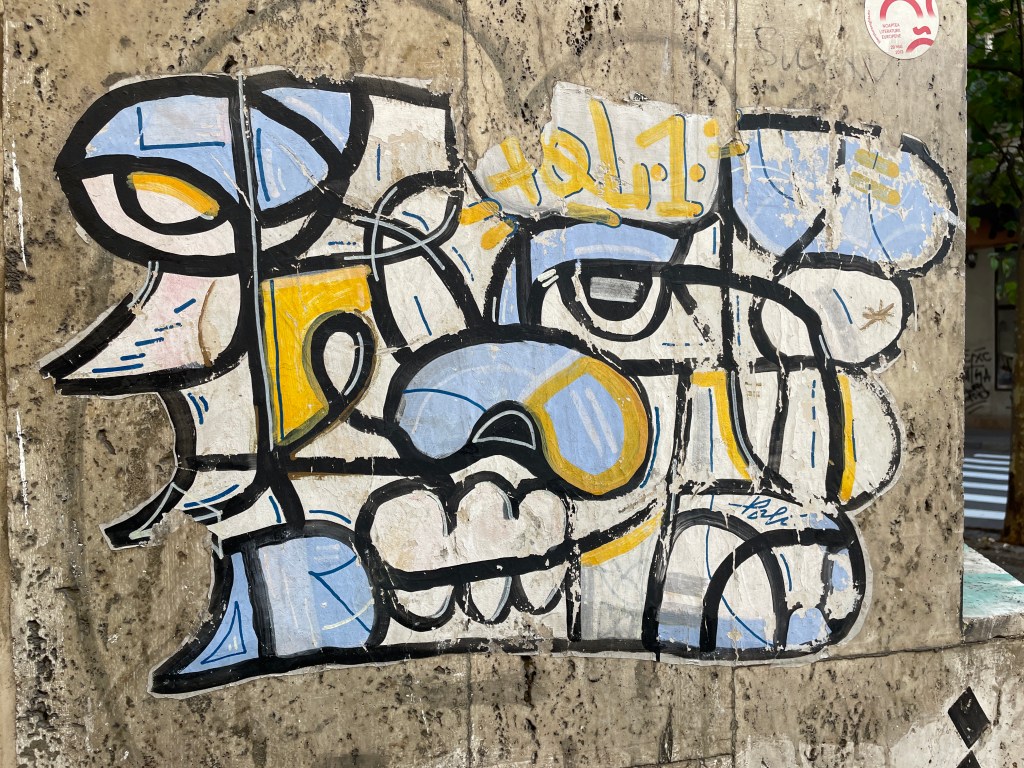
Leaving those dark thoughts behind, I’ll share my two favorite activities while in country. Bucharest, a city of 2 million on a work day, is walkable and truly lovely. Neighborhoods are going through a Renaissance and though there is a lot of graffiti, I honestly found it charming – a lot of street art and paste-ups.
As I was traveling solo, I booked two walking tours to meet people and get to know my surroundings. The first – a food market/history tour – was fantastic. The three hour Airbnb Experience quickly stretched into five after a tour of the Jewish Quarter, a stop at a local market for fruit and produce, and a shady spot to enjoy some beers and chat with my fellow travelers.
Most of our group was poised to take a cruise down the Argeș River, linking Bucharest to the Danube, and subsequently the rest of Europe. Lured by cheaper cruise prices, buyers beware – I hear there are about 30 locks on the 45 mile stretch of river. Our group quickly bonded and had a great time swapping travel stories. I even came across a few international teachers who had lived in Norway and Nepal over the course of their careers.
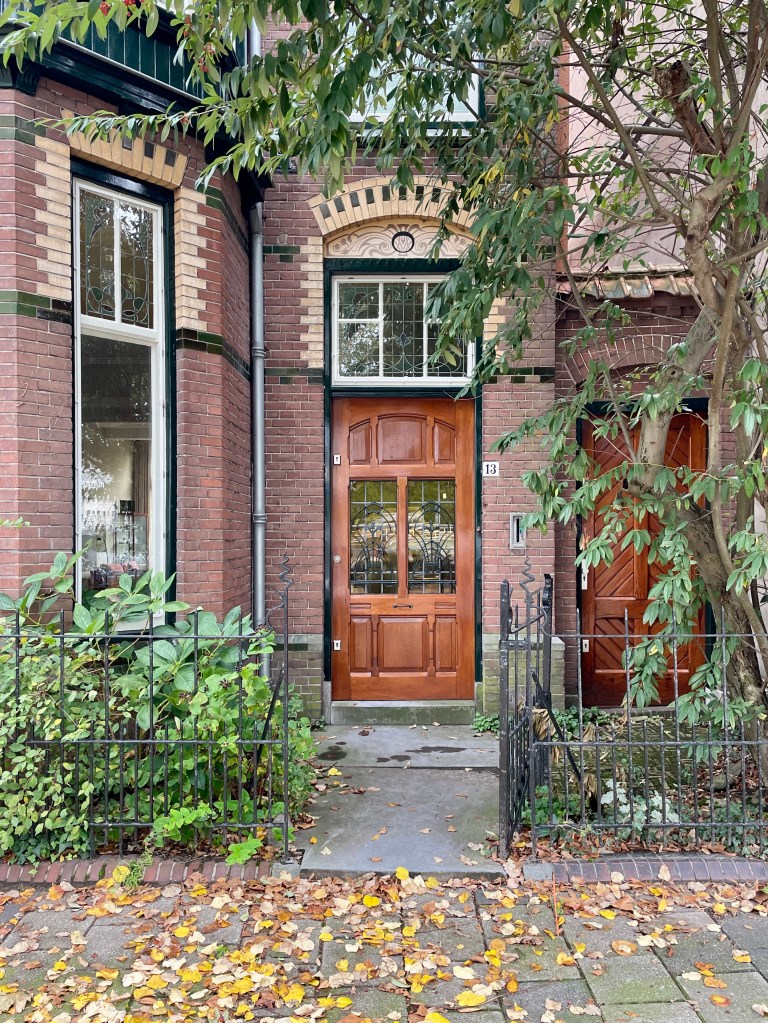
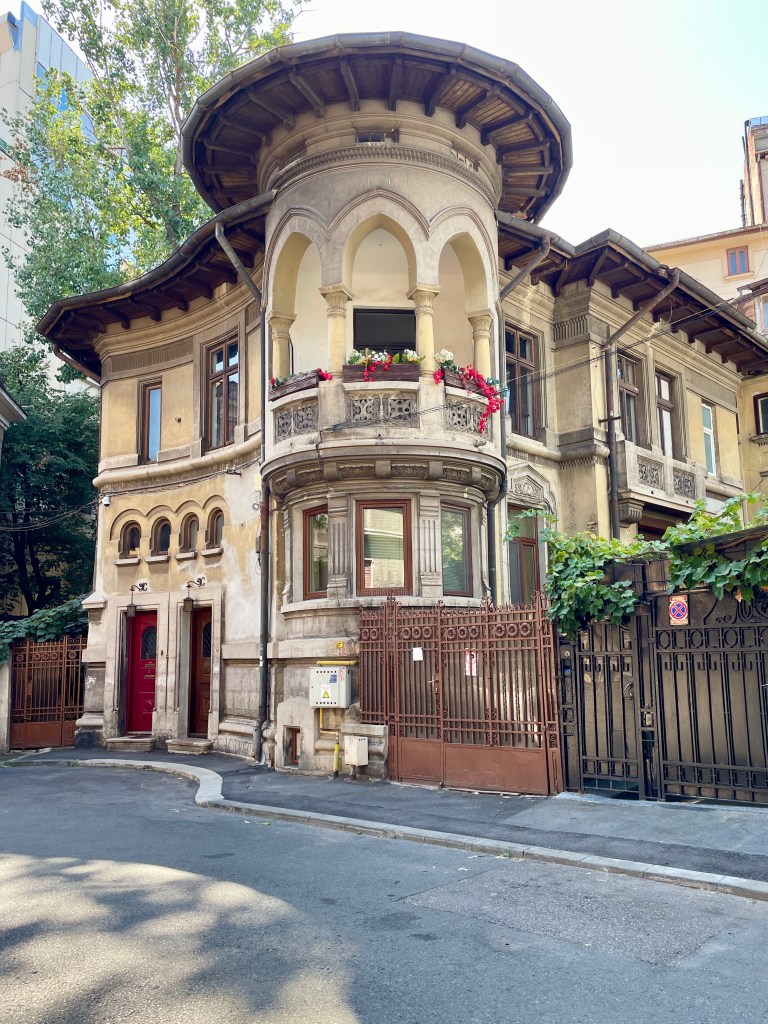
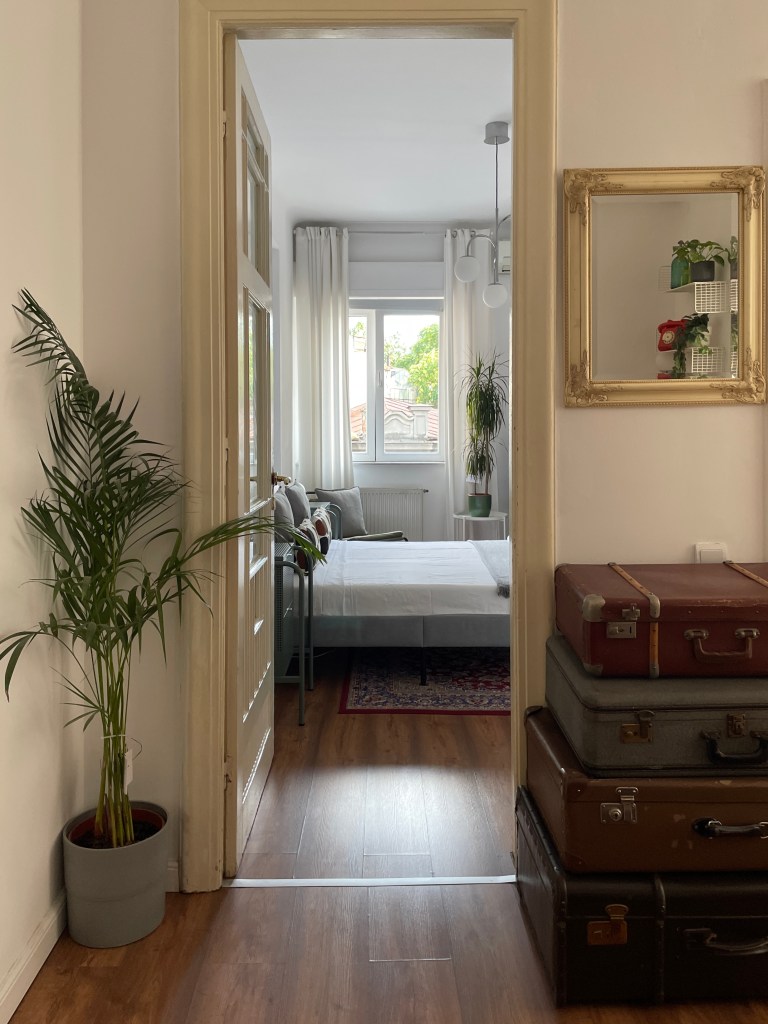
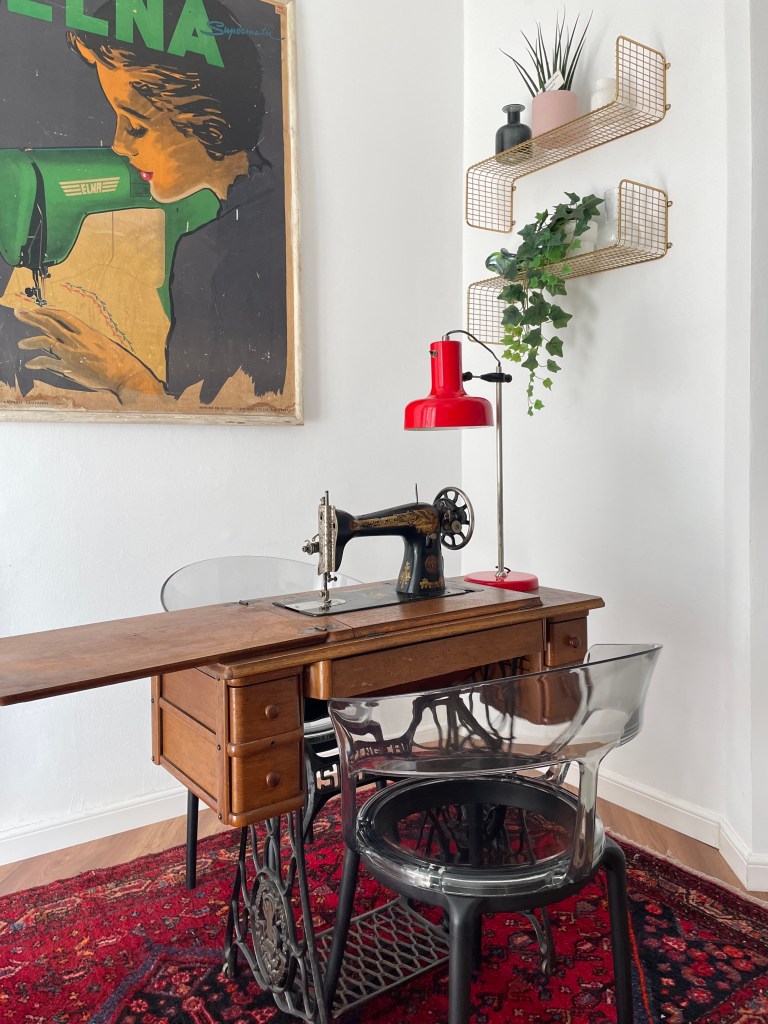
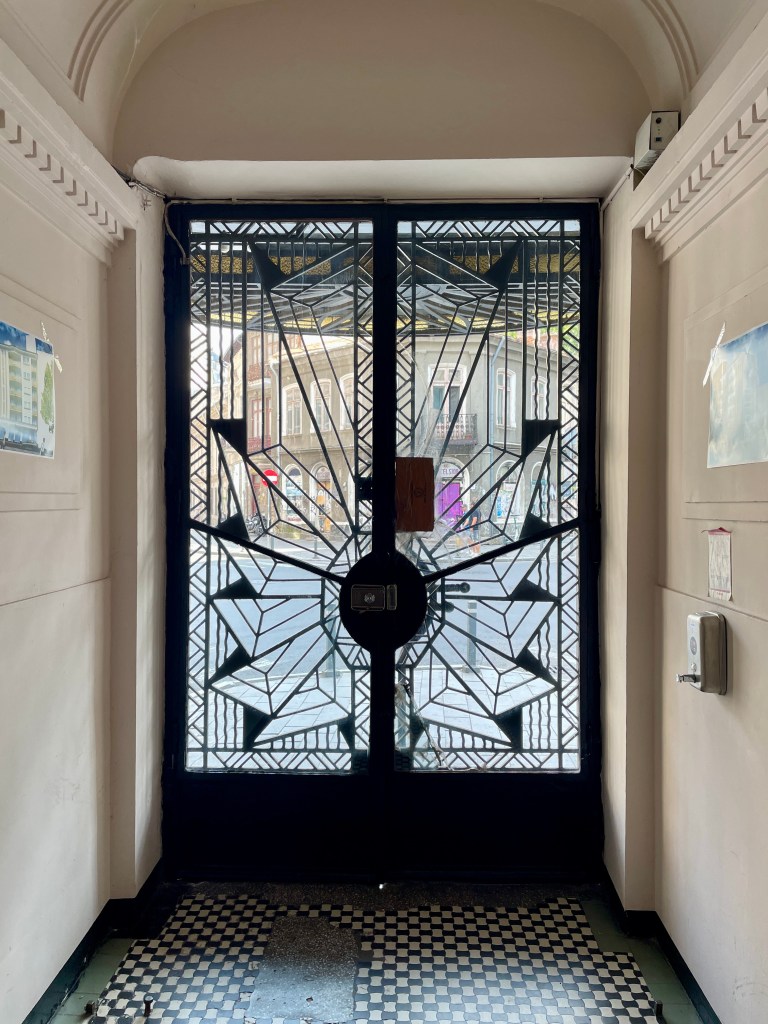
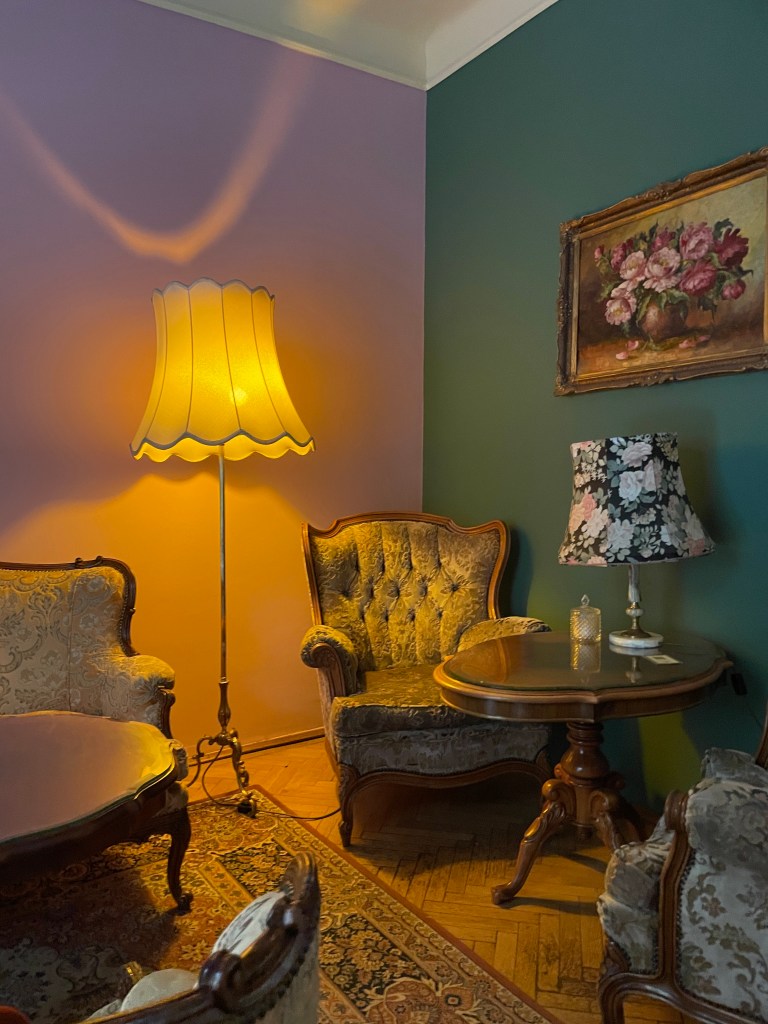
My adorable Airbnb was also a gem – styled in a mid-century modern motif, it was charming and, turns out, also in a famous historic building. Love those Art Deco front doors.
The second tour I took was really the pièce de résistance, the reason I had come to visit. I’ve followed a number of Bucharest photographers on Instagram for a while now – @monica_maracineanu and @adinacrimu, with @raidenburcharest being the most prolific. The way he captures Bucharest, a city he clearly reveres, really impressed me and when I sent him a DM, I learned that he gives tours through TripAdvisor.
No surprise, he came very prepared, with a stash of hard-earned images capturing pivotal historic movements throughout 20th century Bucharest – a history replete with coups, Nazi shelling, and Communist addresses. Much like Latvia and other Eastern European countries, Romania has really seen more than it’s fair share of hostilities, particularly in the last century.
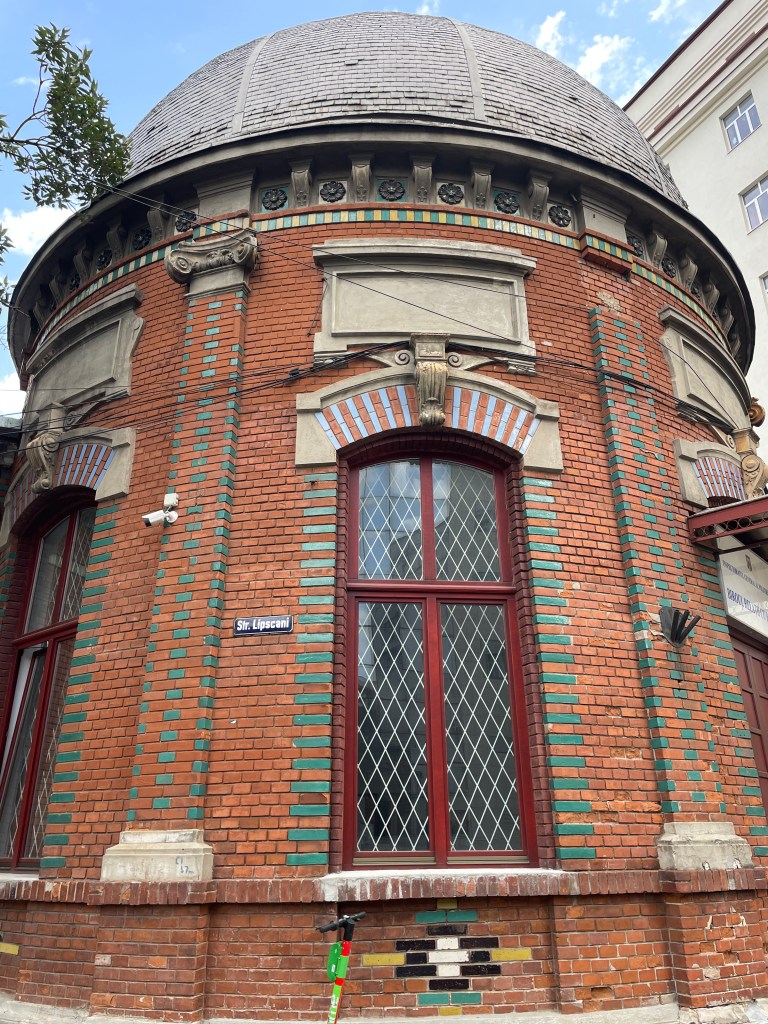
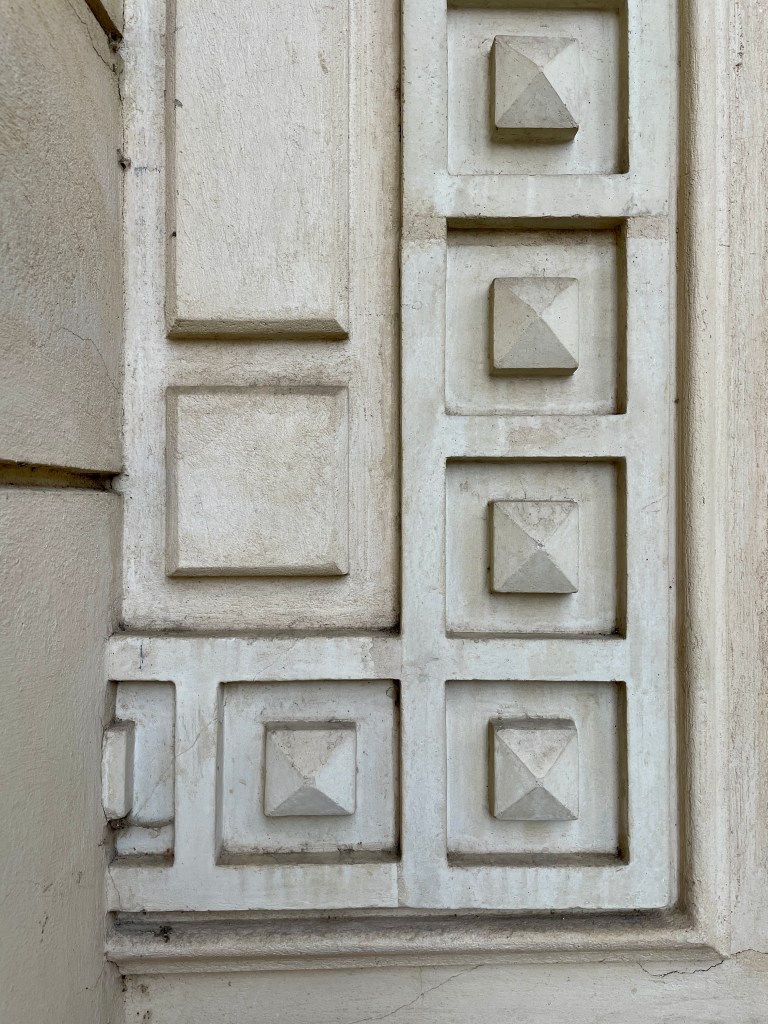
We began at the Romanian Athenaeum, now a gorgeous opera house, and made our way around Constitution Square to Victory Avenue. And the architecture – oh, the architecture! Art Deco placed alongside Neoclassical and Art Nouveau. A Byzantine church in the courtyard of a Neo-Gothic building. Just phenomenal.
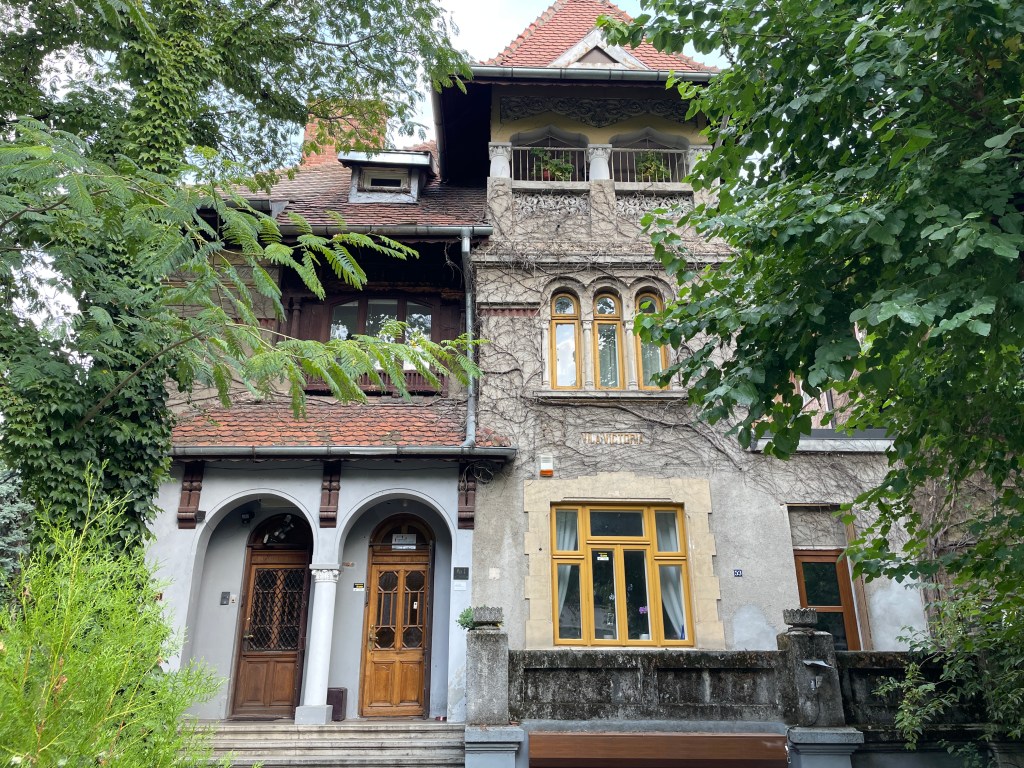
Our tour culminated in a visit to the Cotroceni neighborhood of Bucharest. I can only describe these homes (see above and below) as gingerbread houses for an architecture buff, each with their own unique decor.
Upon my tour guide’s recommendation, I rounded out the afternoon in the garden of Infinitea, sipping an iced black tea topped off with a scoop of sesame ice cream. Perfection.
All too quickly, it was time to head back to Istanbul and prepare for the start of the school year. Luckily, I had this little goober waiting for some cuddles at home.
As of today, the school year is off on the right foot and I’m excited to continue exploring the ever-impressive Turkey. Next up… Istanbul’s Grand Bazaar!
Hard to believe but my first school year in Turkey is coming to a close. It’s been quite a ride and I’m thankful to be on the other side. Thank you all for following along! It’s so great to hear from you and share these adventures, too. Here’s a couple from the last few weeks, wrapping up the year out on the water.
First up is Bodrum. An hour south of Istanbul by plane, it’s a waterfront town with lots of fun for tourists to enjoy.
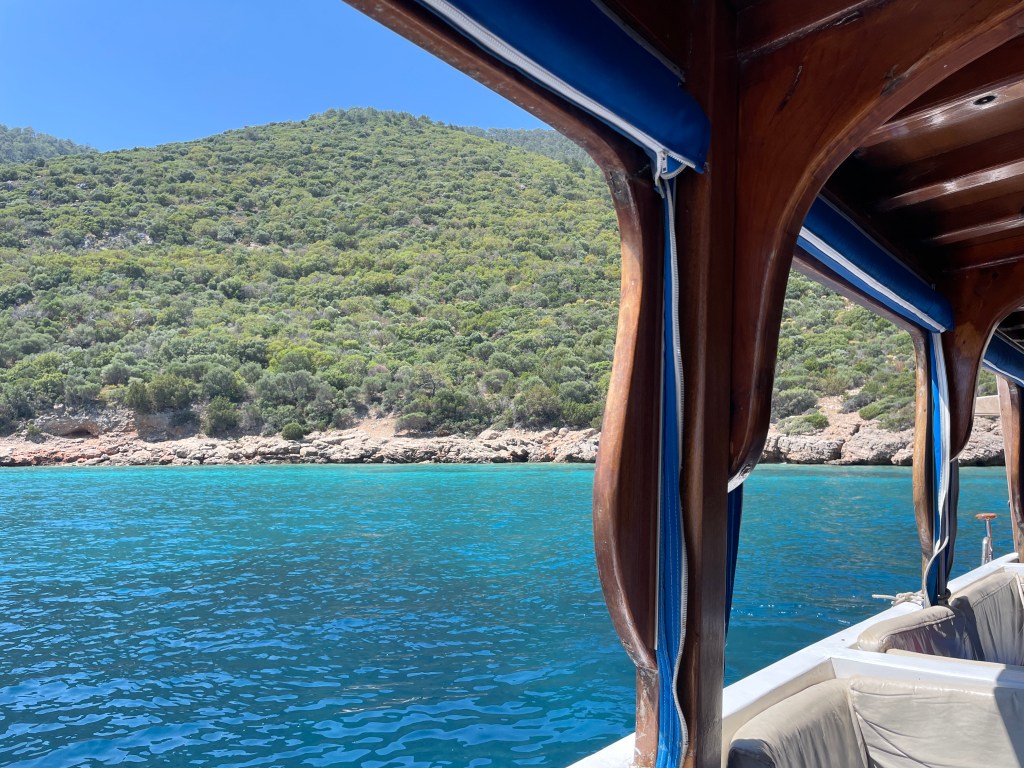
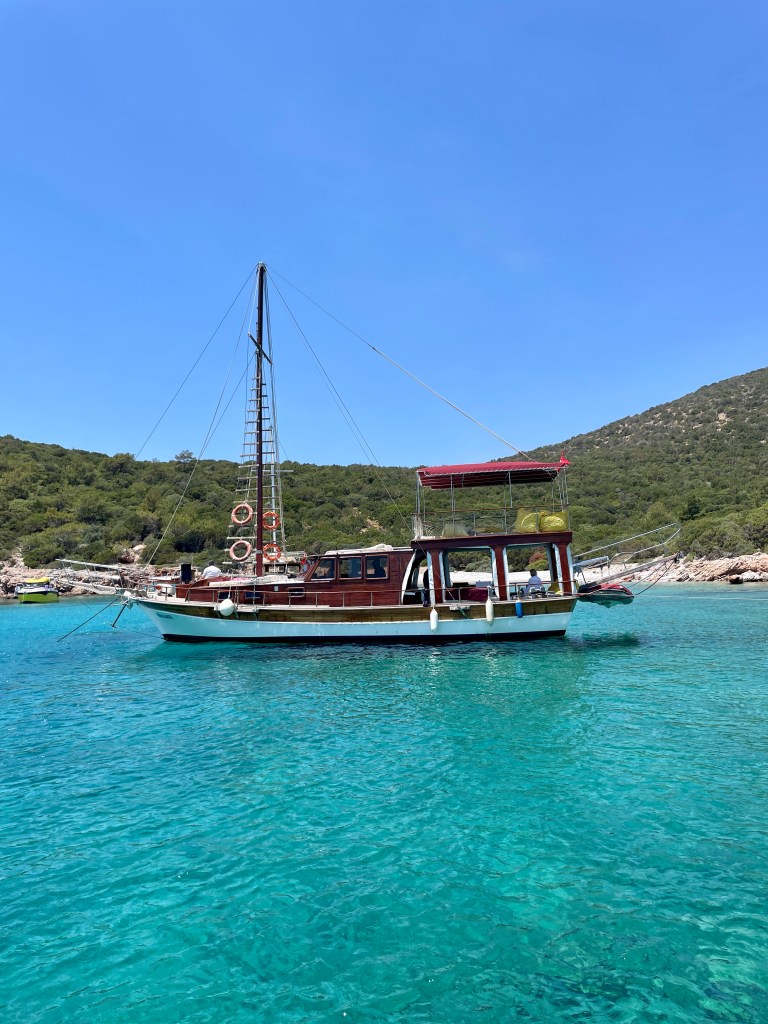
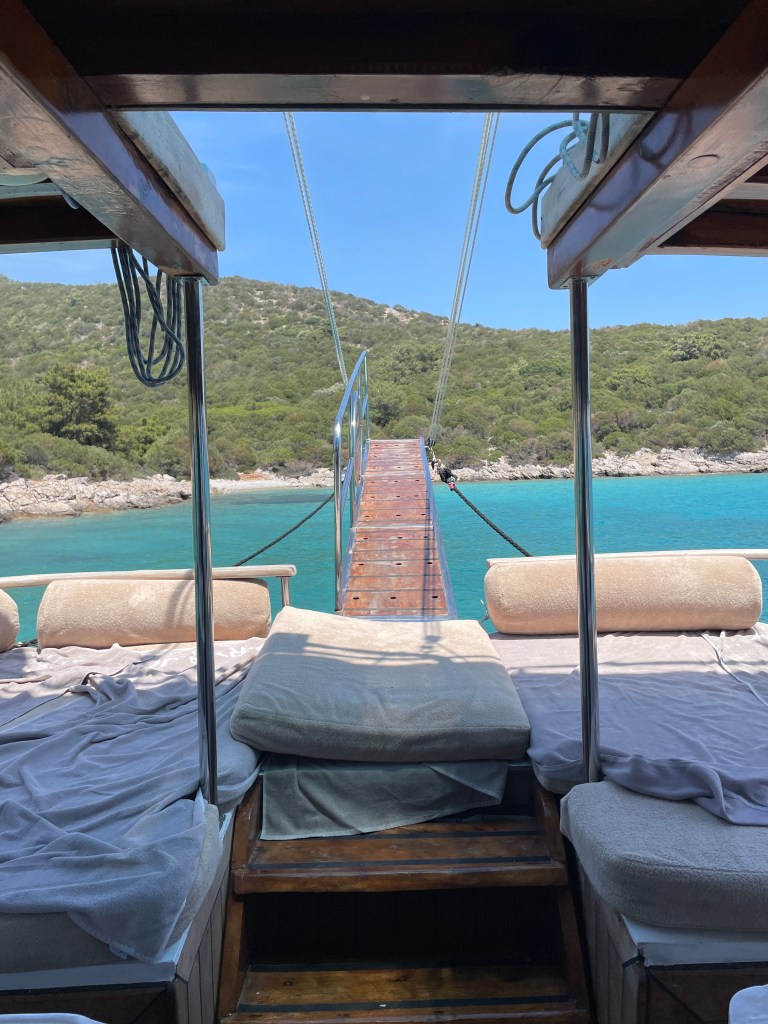
On Saturday, we rented a boat for the day to do some cove hopping. The water is just stunning here – so clear you can see all the way to the bottom. Quite chilly in June but the salt of the Mediterranean lets you float for hours.
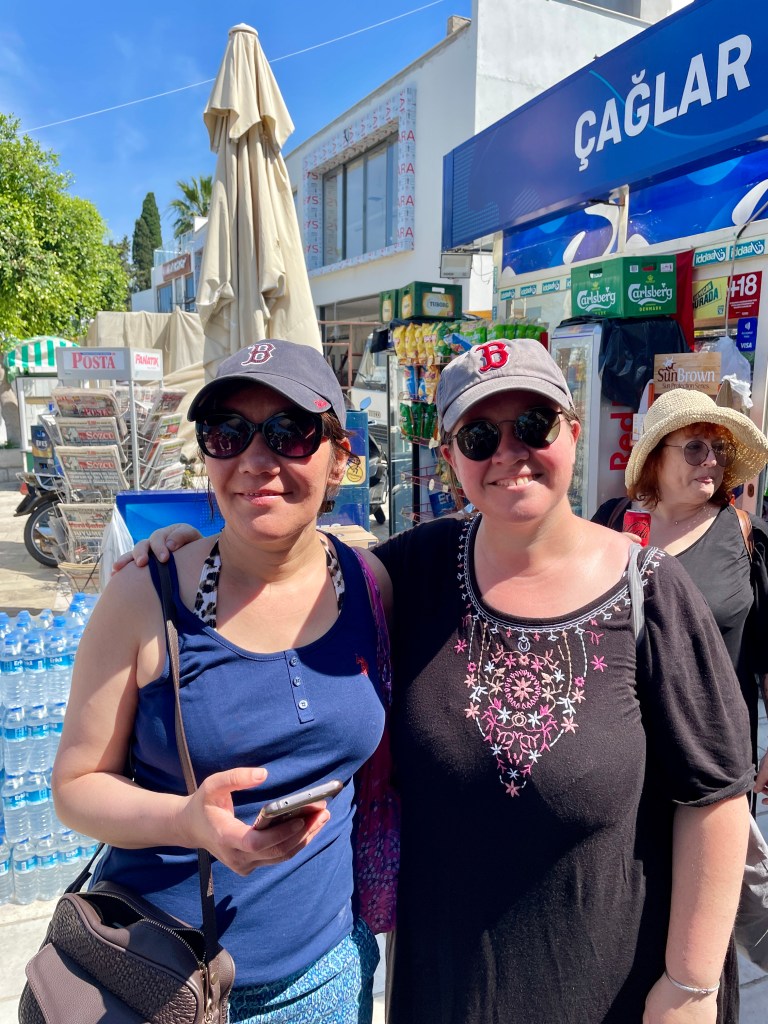
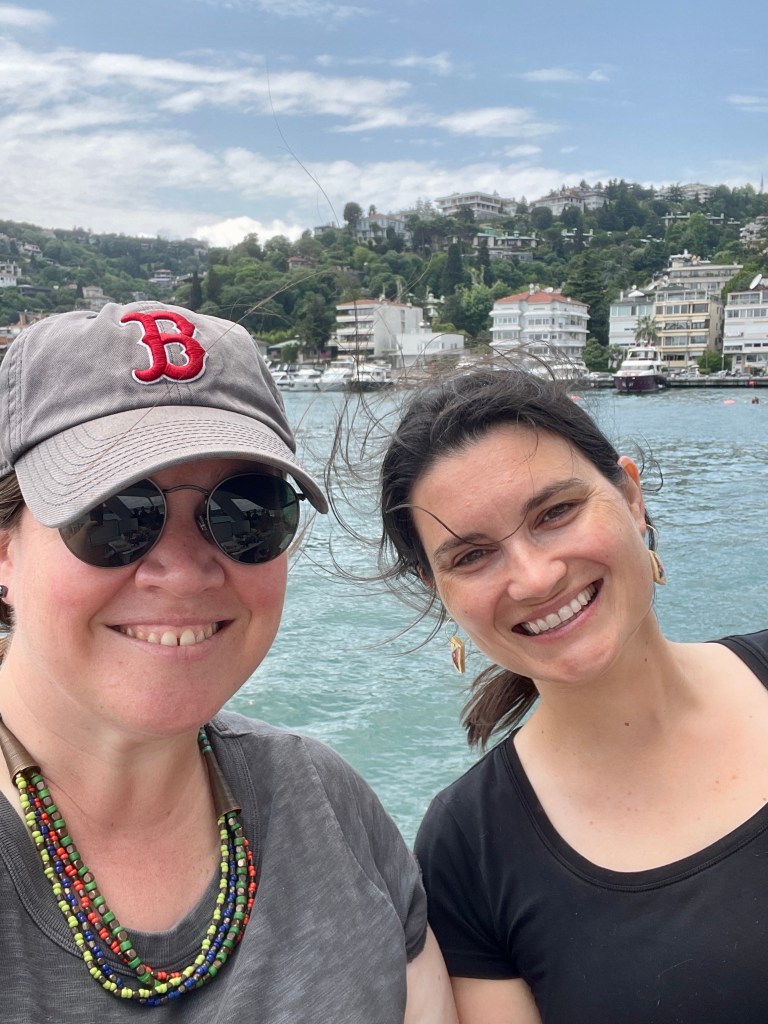
Here’s Dina and I repping the Sox. Her husband is from Salem, Mass.
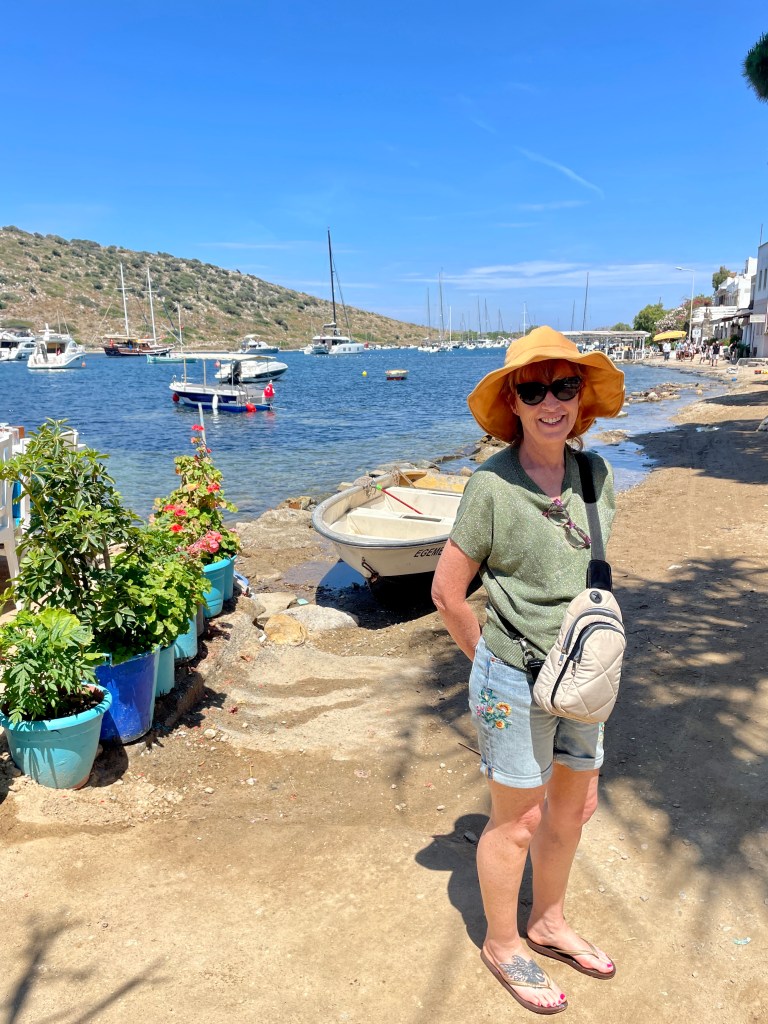
On Sunday, my wonderful friend Michele took a few us to a little village called Gümüşlük on the other side of the Bodrum peninsula.
We took a dolmuş to get there. A dolmuş is a mini bus and the word translates to “it’s full” in Turkish. The van only departs when it has enough passengers and takes you to destinations at a fraction of the cost of a private taxi.
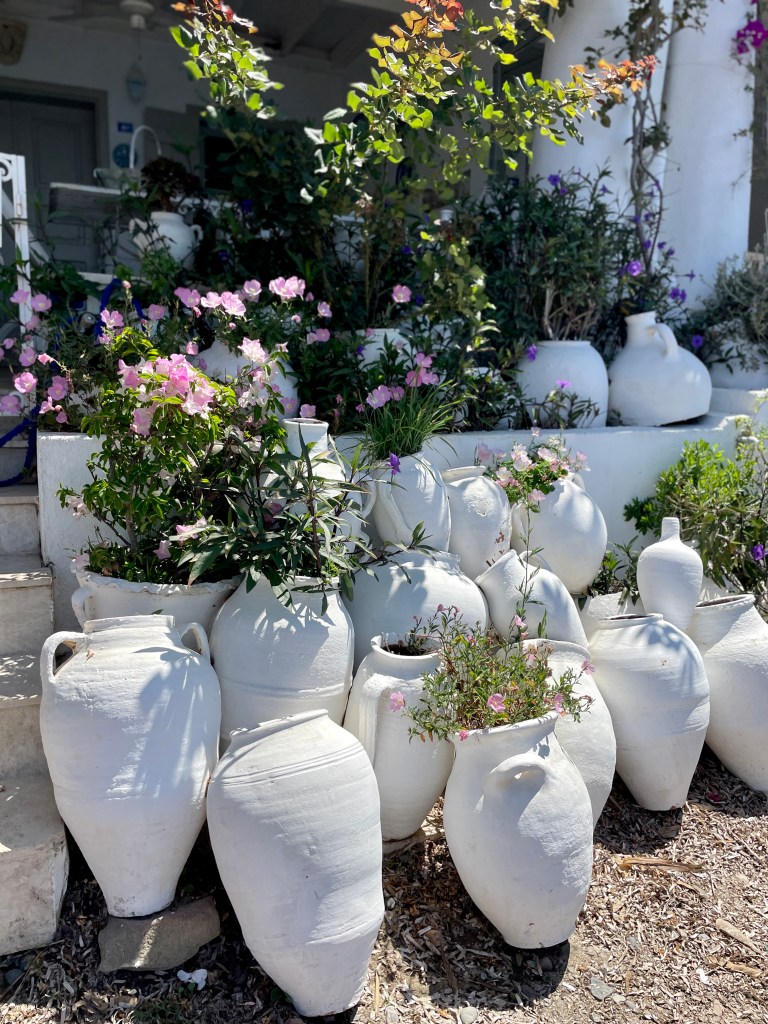
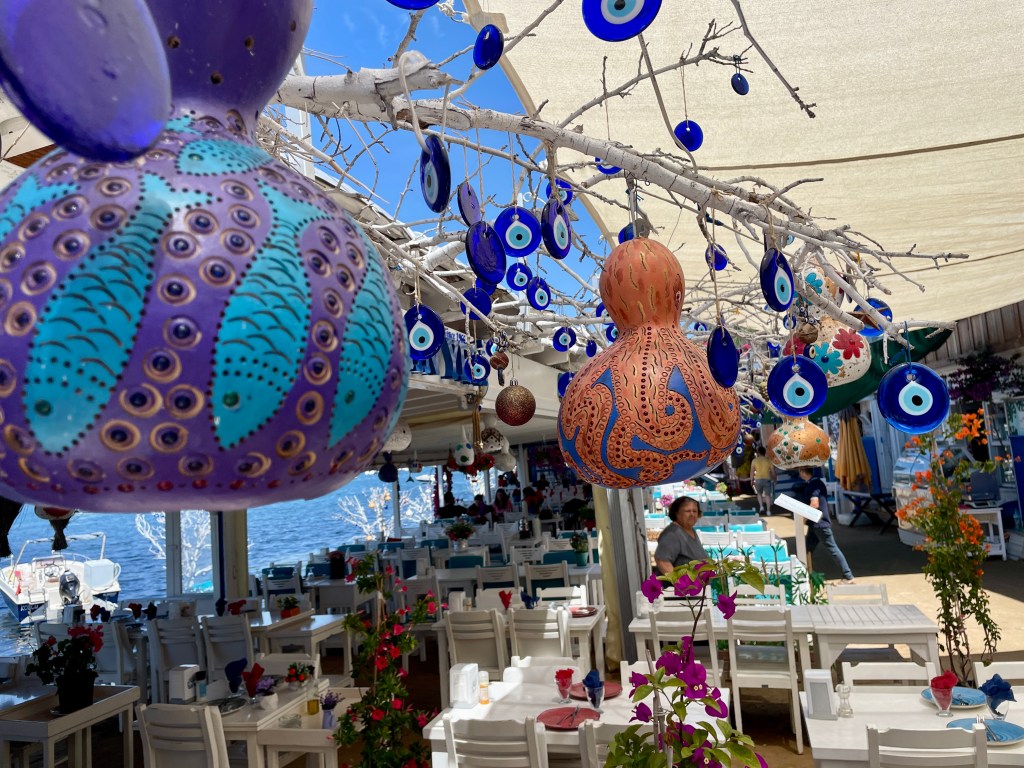
We wandered around the shops and checked out the a waterfront cafes. Evil eyes are a staple of Turkey and this village also featured gourds decorated by hand.
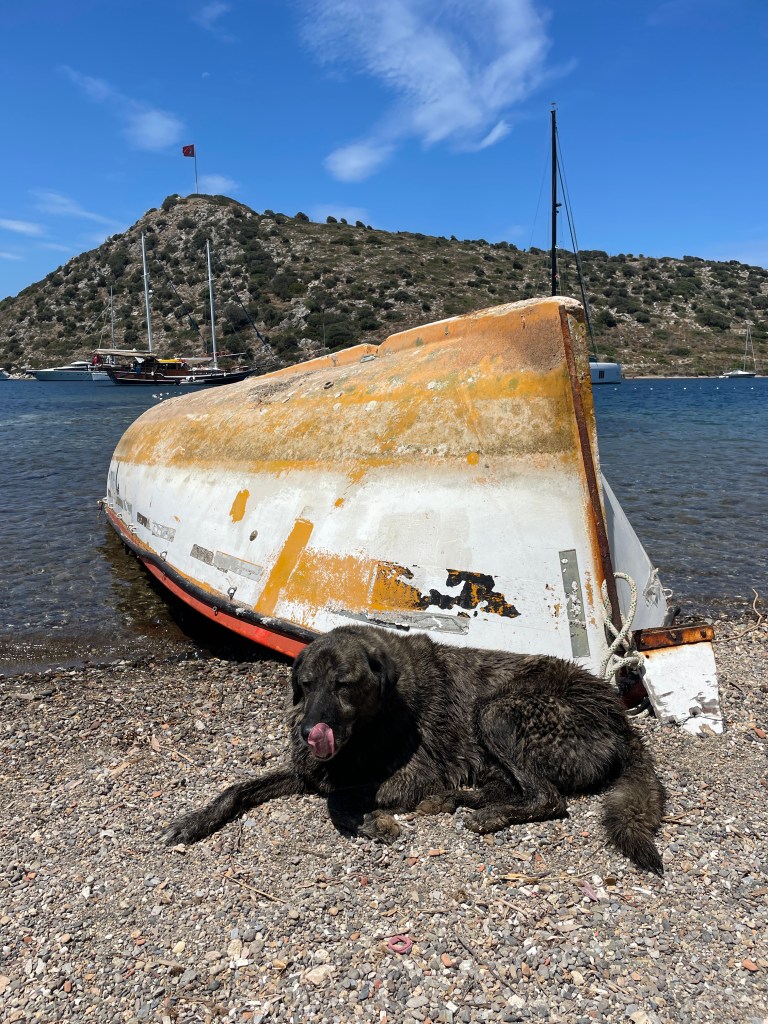
We met a sweet pup taking a dip and joined him, putting our feet in to cool off during the heat of the day.
All too soon it was time to return to Istanbul for another week of exams and end-of-the-year activities. Thankful for such a wonderful group!
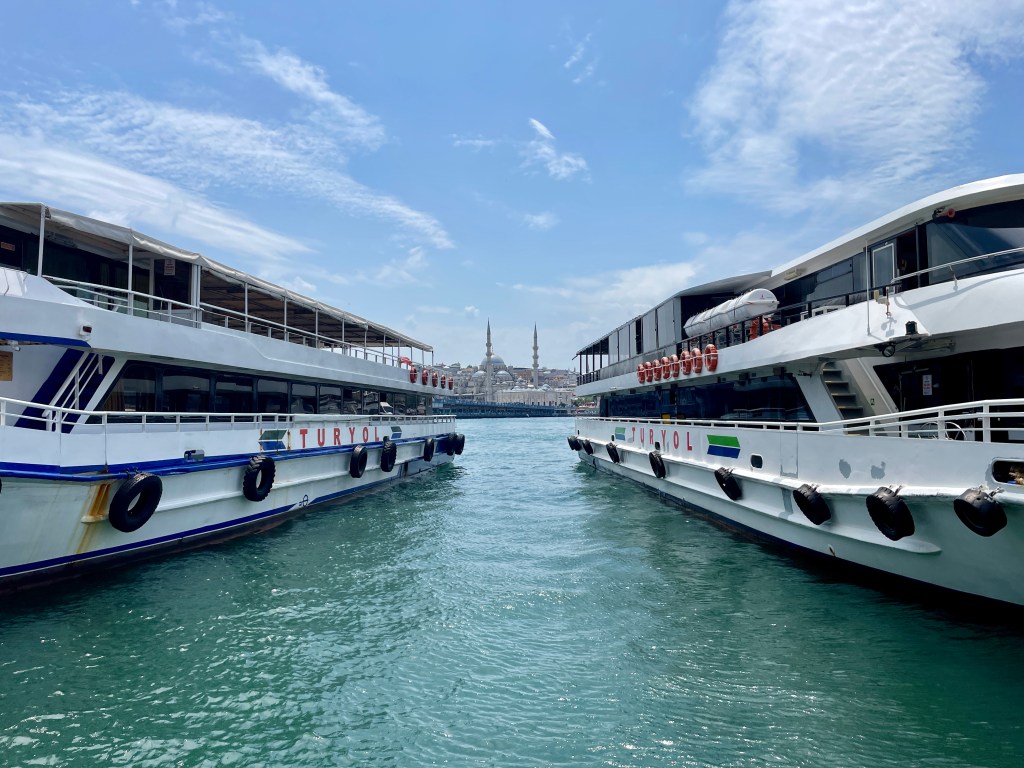
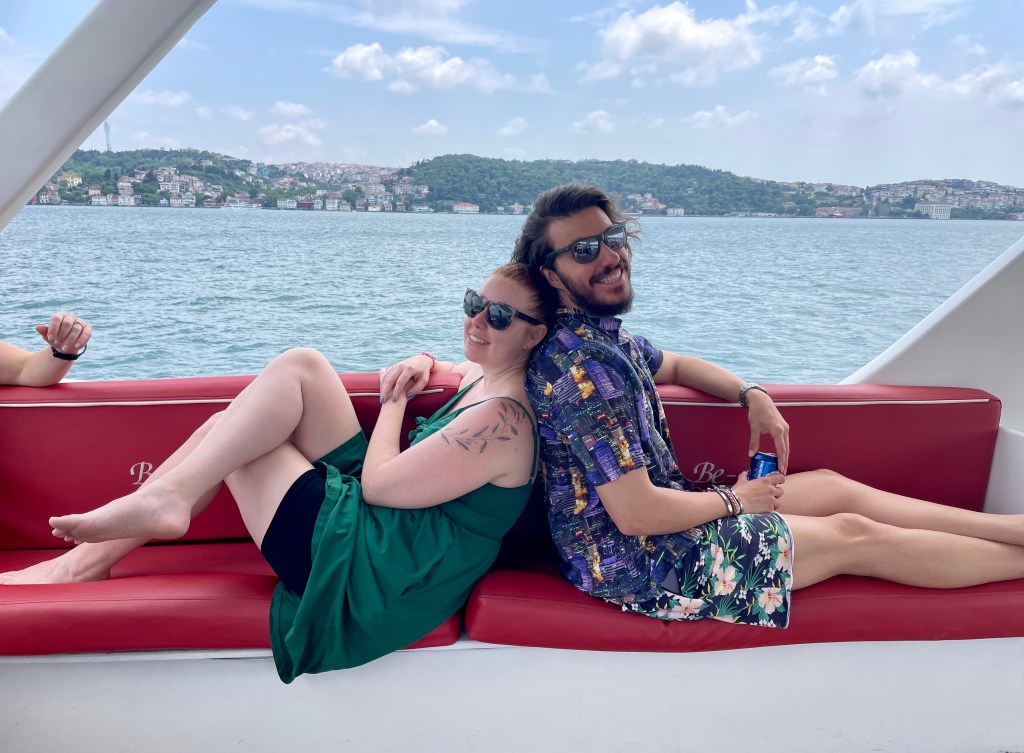
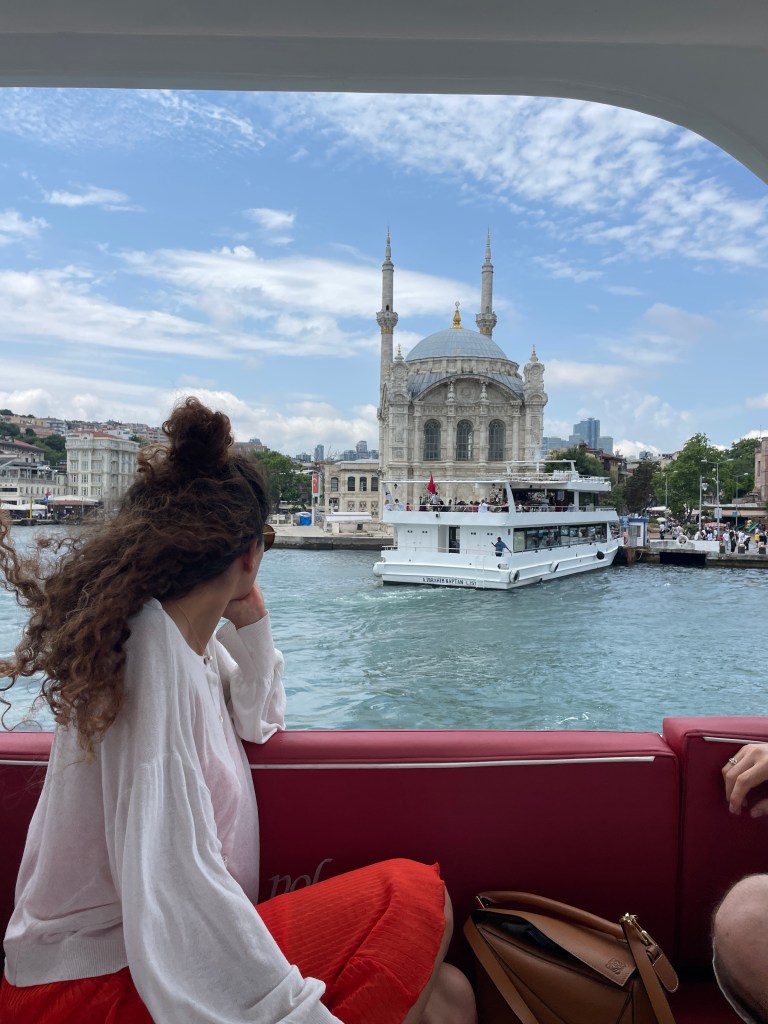
Back in Istanbul, my friend Kelly arranged a boat trip to celebrate our colleagues and friends who are leaving this year. Goodbyes are a given in ex-pat life but it’s great to go out on a high note.
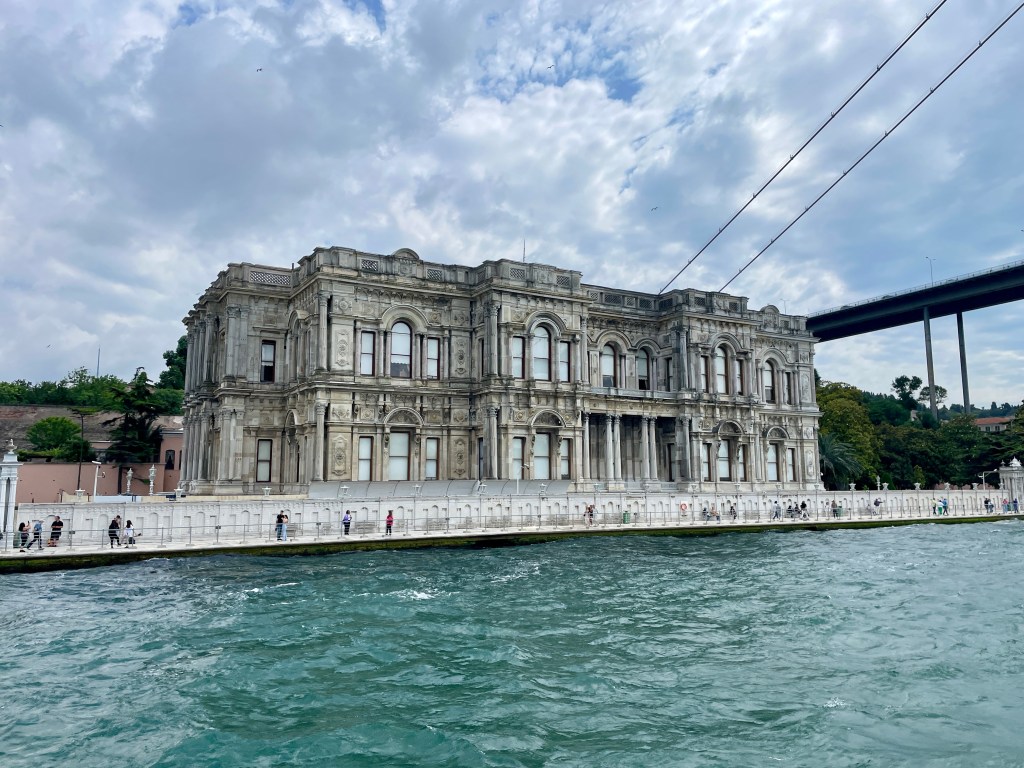
We headed north on the Bosphorus Strait, skirting the banks and taking in the stone palaces dotting the shoreline. These stone giants are memorials from the Ottoman age and many are decorated in the Baroque style of their original age.
The day was such a lovely break from exam marking and the craziness that marks the end of the school year. The Bosphorus is really something special.
I fly back to Boston in a week. Fun plans in store for the summer. Give a shout if you’re in New England – would love to see you 🙂
As April turned to May, I was lucky enough to have my friend Tori come to visit from Vermont. I had a long weekend which turned out to be the first of many thanks to the election situation. More on that another time. I was thrilled when Tori could find the time for a week’s trip to Turkey and the direct flight from Boston made the trip fairly simple (Anne’s diner and Don’s airport shuttle included).
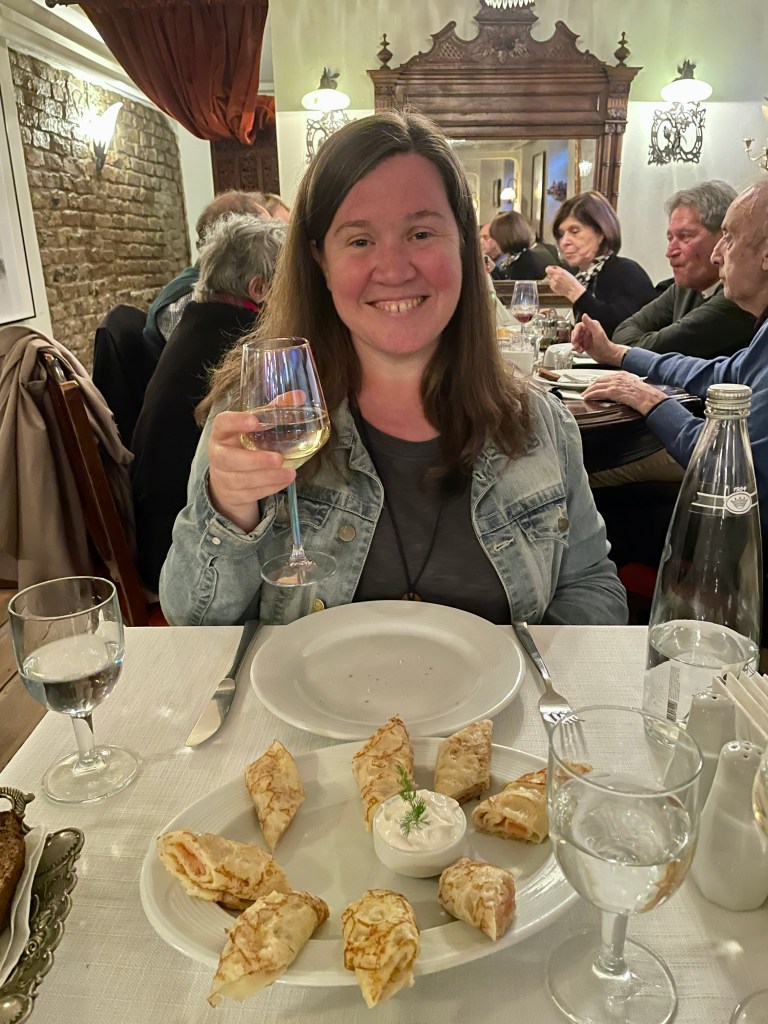
Leaving Moloko with yet another set of wonderful cat sitters, Tori and I headed downtown to dinner at Ayaspaşa Rus Lokantası. The most authentic Russian fare in Istanbul, we did our best to sample the trip Tori did not get to take due to COVID in May of 2020. The plate in front of me contains salmon blini with sour cream (yum). We were even treated to singing and dancing in the restaurant.
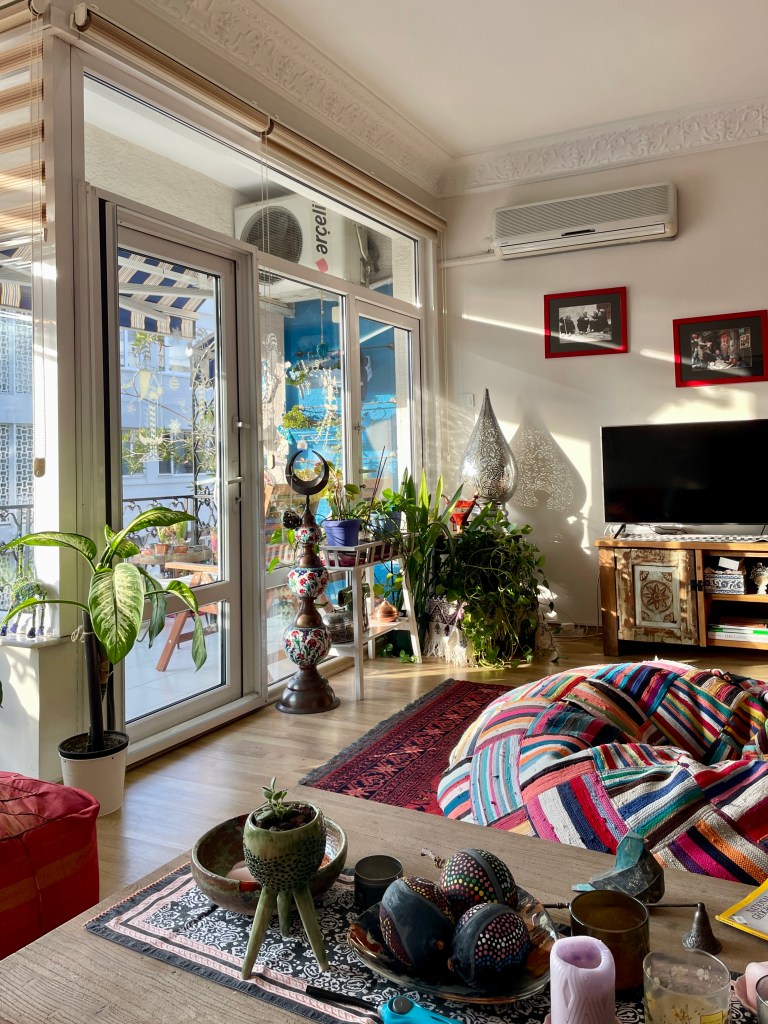
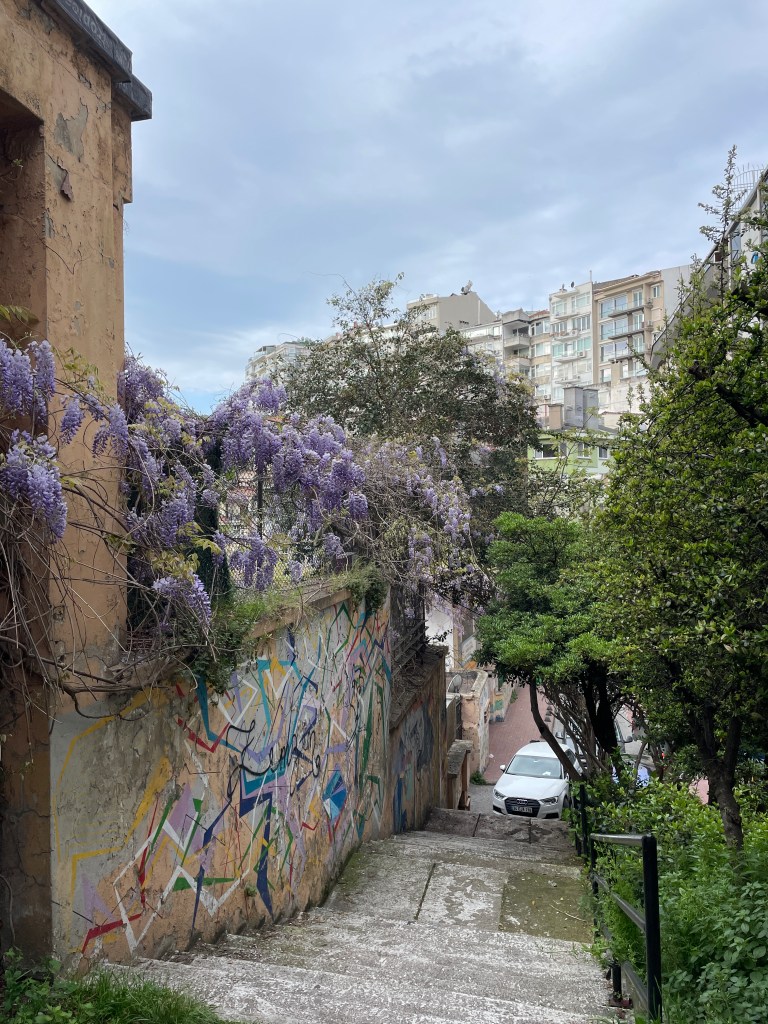
My friend Michele graciously welcomed us to stay at her downtown apartment just behind Taksim Square. Thanks to her gorgeous art collection from all over the world, it reads as a boutique hotel, replete with a view of the Bosphorus off her balcony. As walked down the steps to catch the tram, we passed the beautiful wisteria in full bloom.
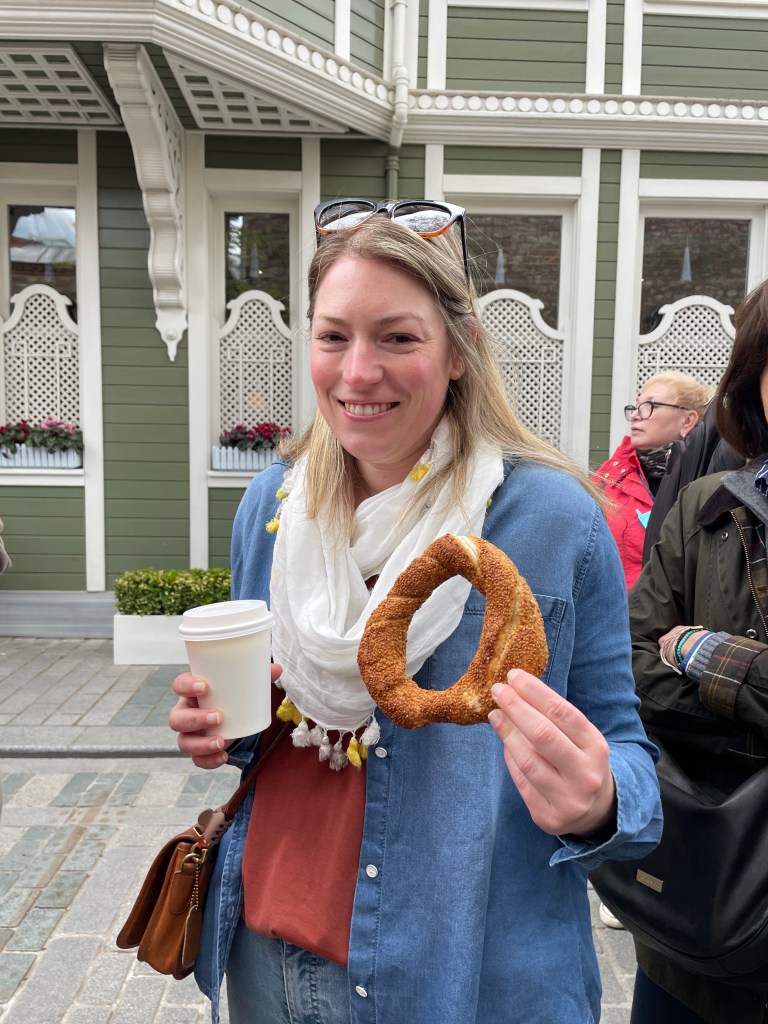
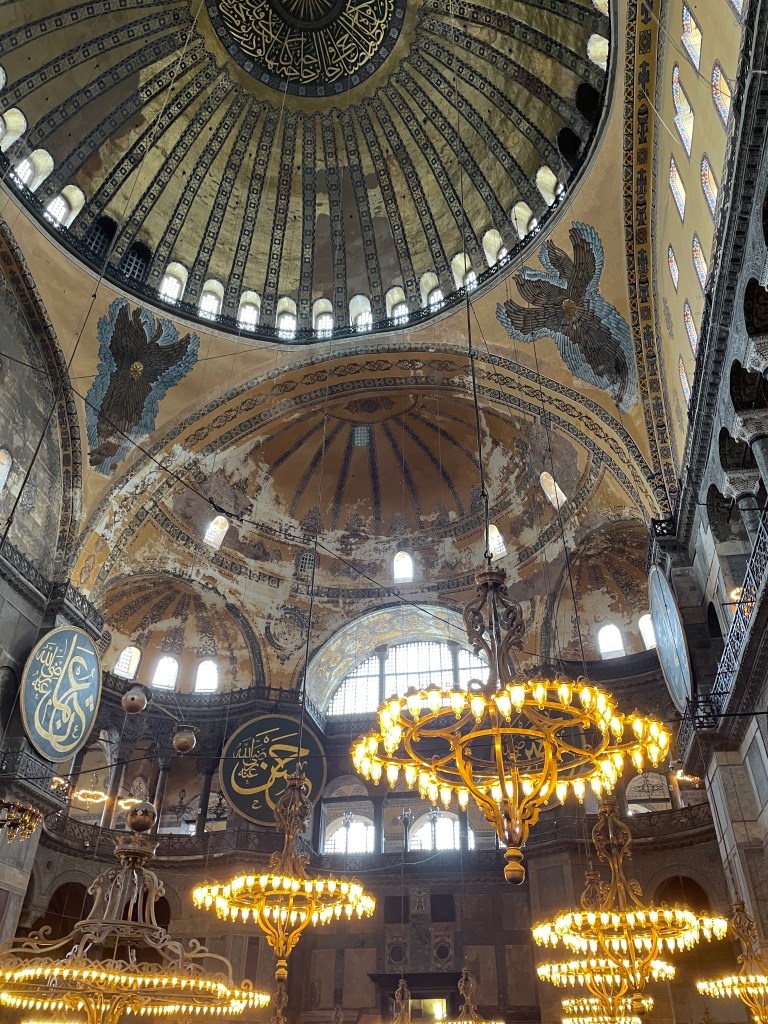
Fresh off my first set of visitors, I had a lot of fun to playing tourist in Istanbul. Thanks to the first go round, I learned you must get to the Hagia Sophia as the line forms at 9am. See us here in line, my second weekend in a row! Managed to grab a simit and coffee on the way. The Hagia Sophia really is as beautifully stunning and peaceful as it seems in pictures.
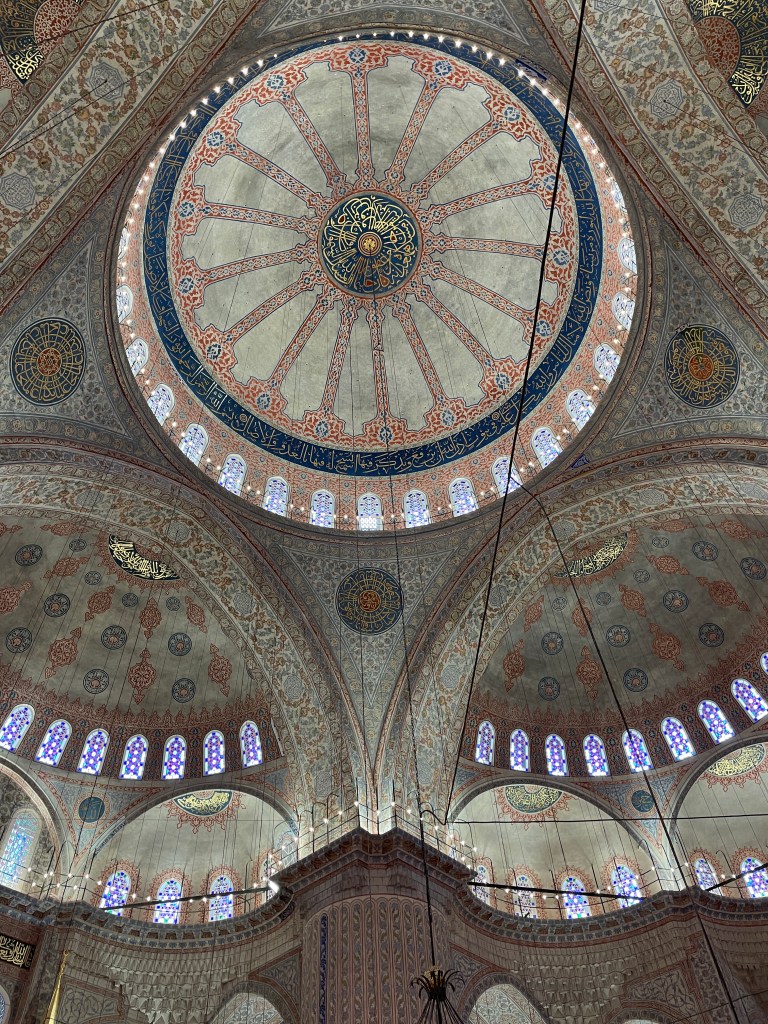
After our time inside, we took pictures out front and walked across Sultanahmet to the Blue Mosque in which 20,000 blue Iznik ceiling tiles truly baffle the mind.
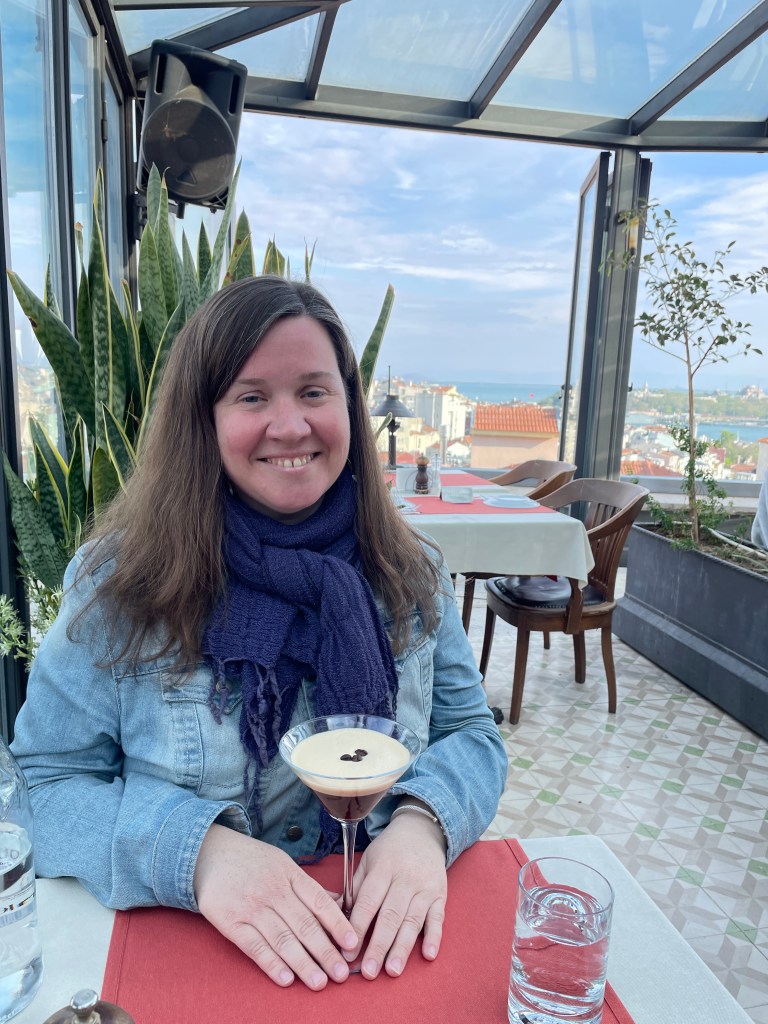
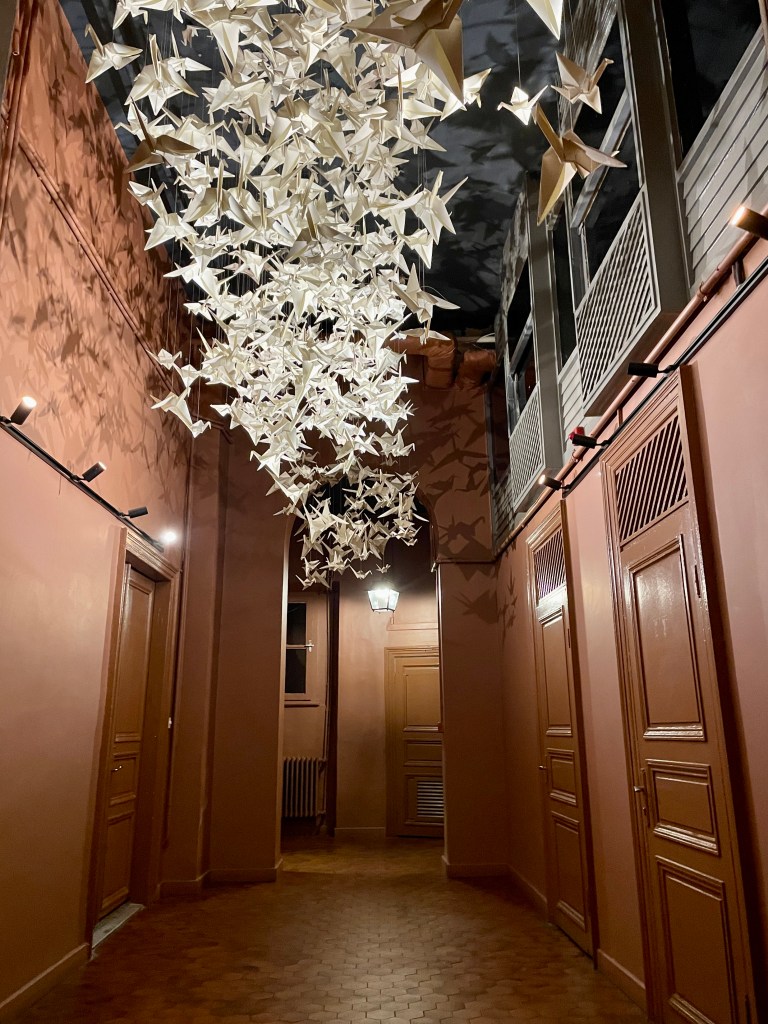
Rooftops are surely the best way to experience the stunning landscape of Istanbul. We opted for good views and good taste – drinks at Corinne Hotel‘s rooftop bar and dinner at Hodan‘s beautiful garden restaurant. Love the origami installation in the entryway.
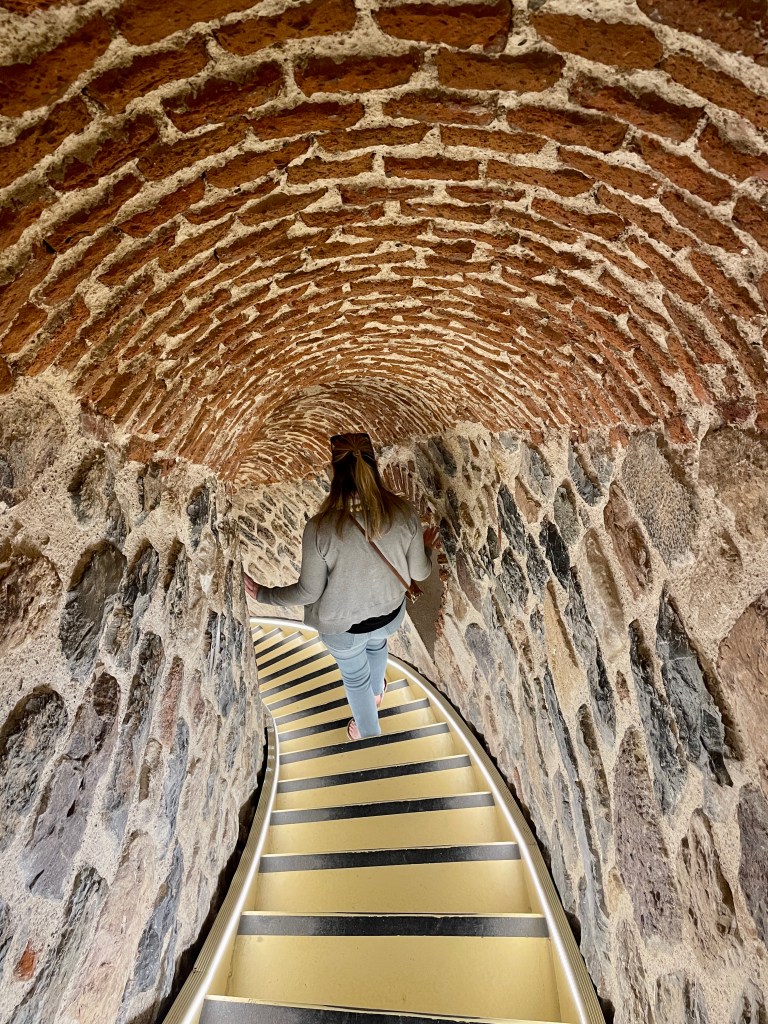
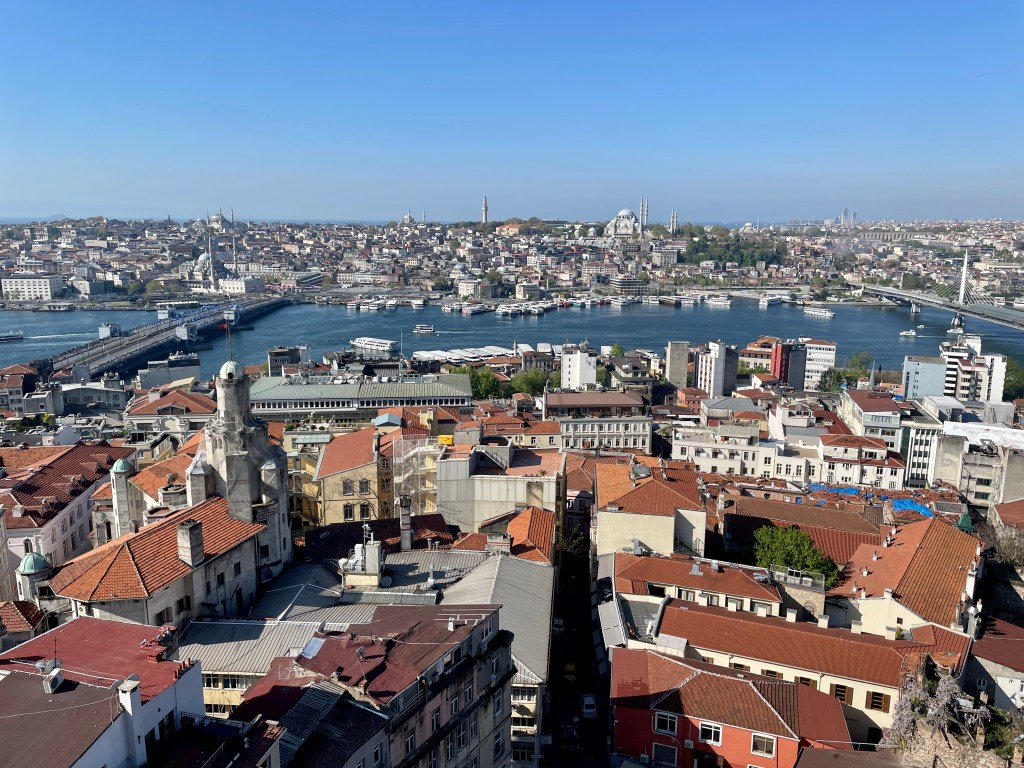
Checking off a number of Istanbul bucket list items, I had pre-ordered tickets to Galata Tower. Newly reopened after renovations, the tower was built in the 1300s by the Genoese colony. The Pera neighborhood was once divided into quadrants, respectively housing merchants from Genoa, Venice, Tuscany, and Ragusa (today the Croatian coastline).
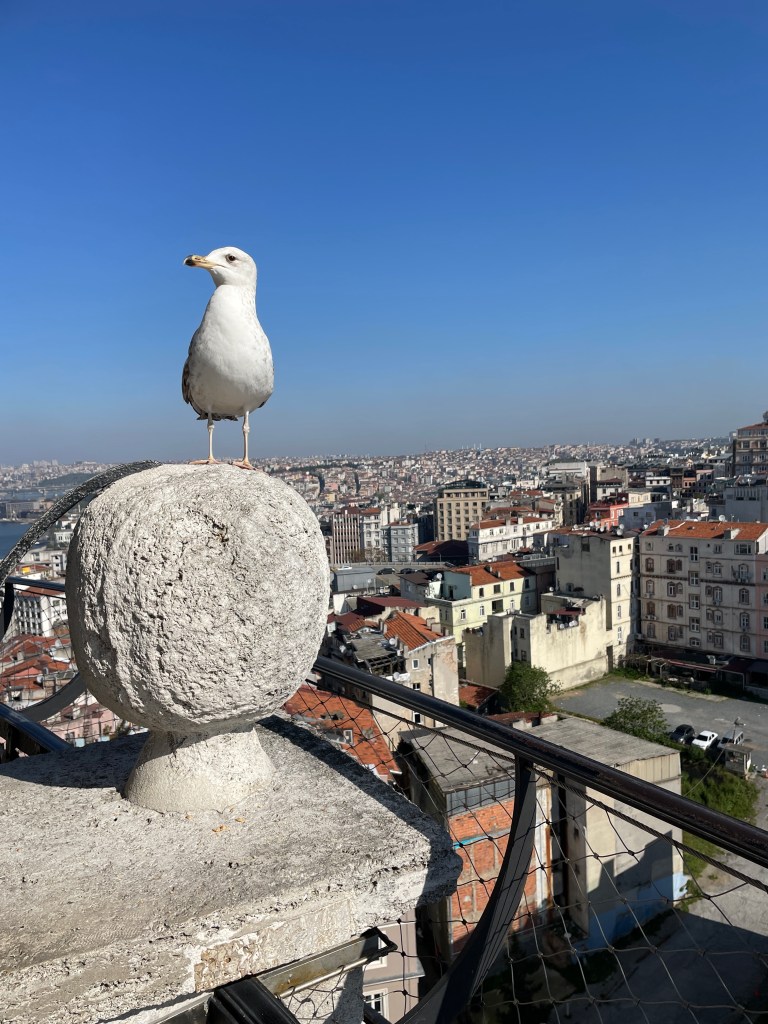
The view from Galata Tower did not disappoint on such a bluebird day. And, in fact, we were joined by a cheeky gull on the observation deck.
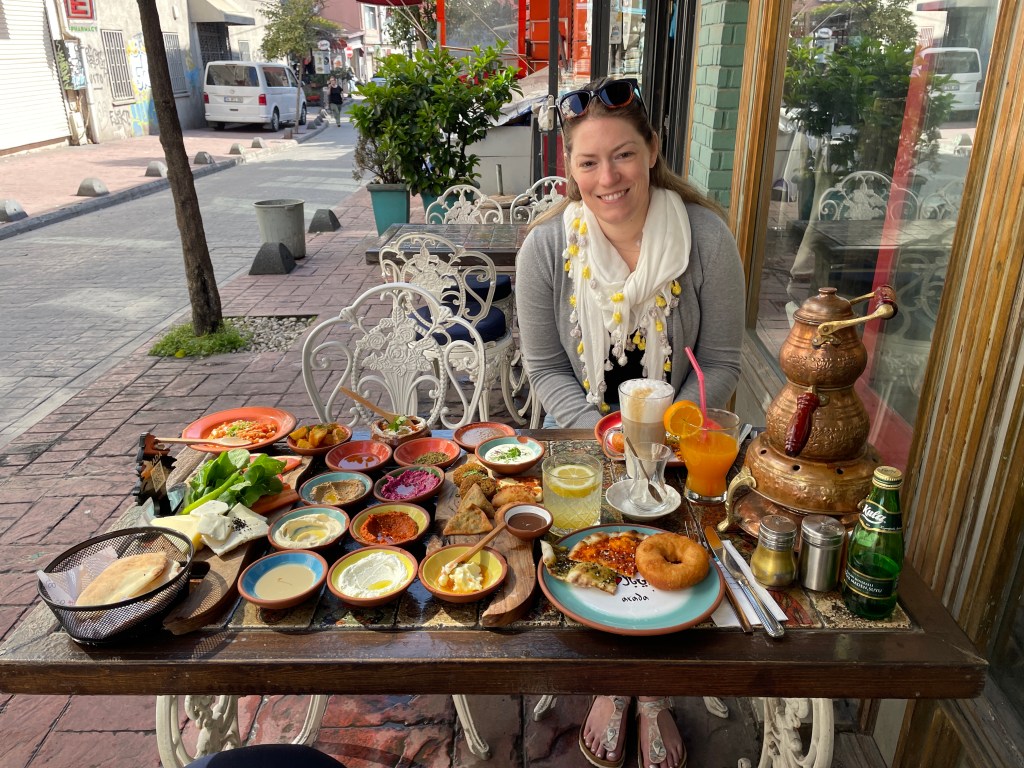
After, we enjoyed a decadent breakfast at Arada Cafe (a cross between Lebanese and Turkish breakfast). We were quickly very full and enjoyed visits from a number of my coworkers who live in the neighborhood.
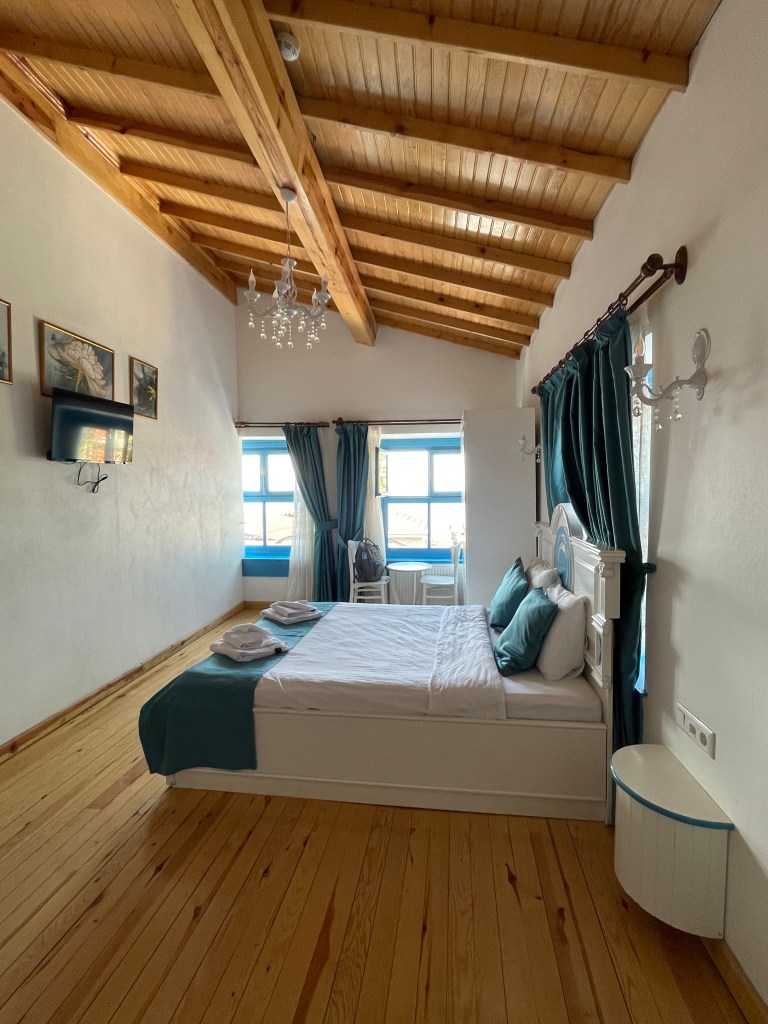
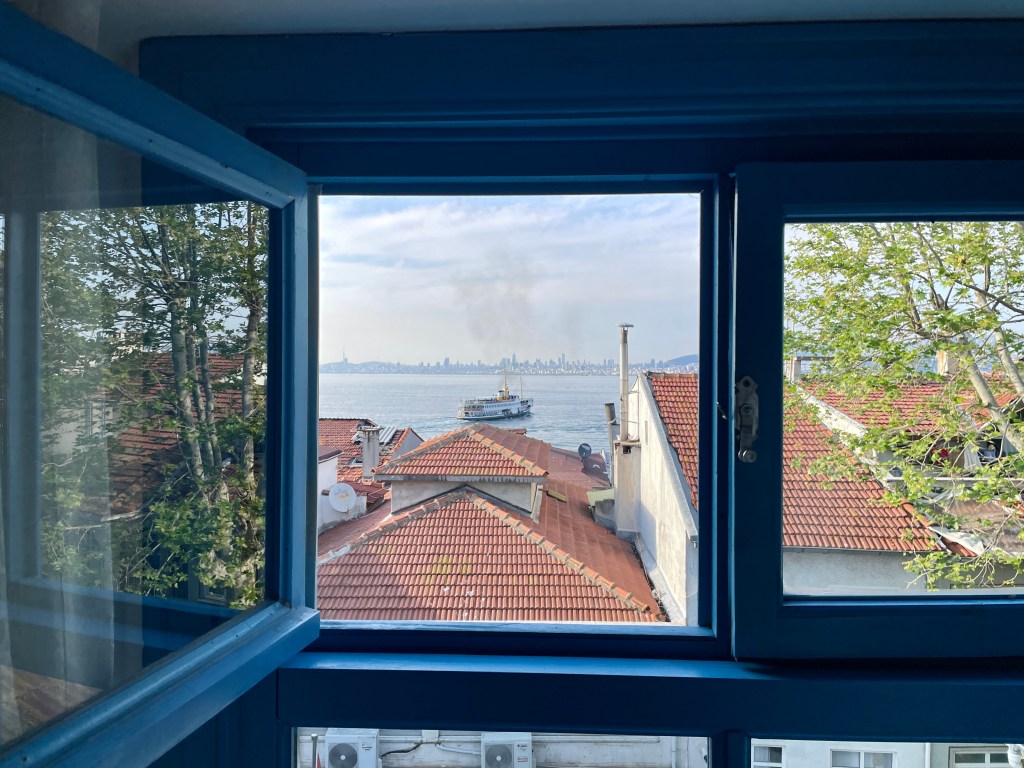
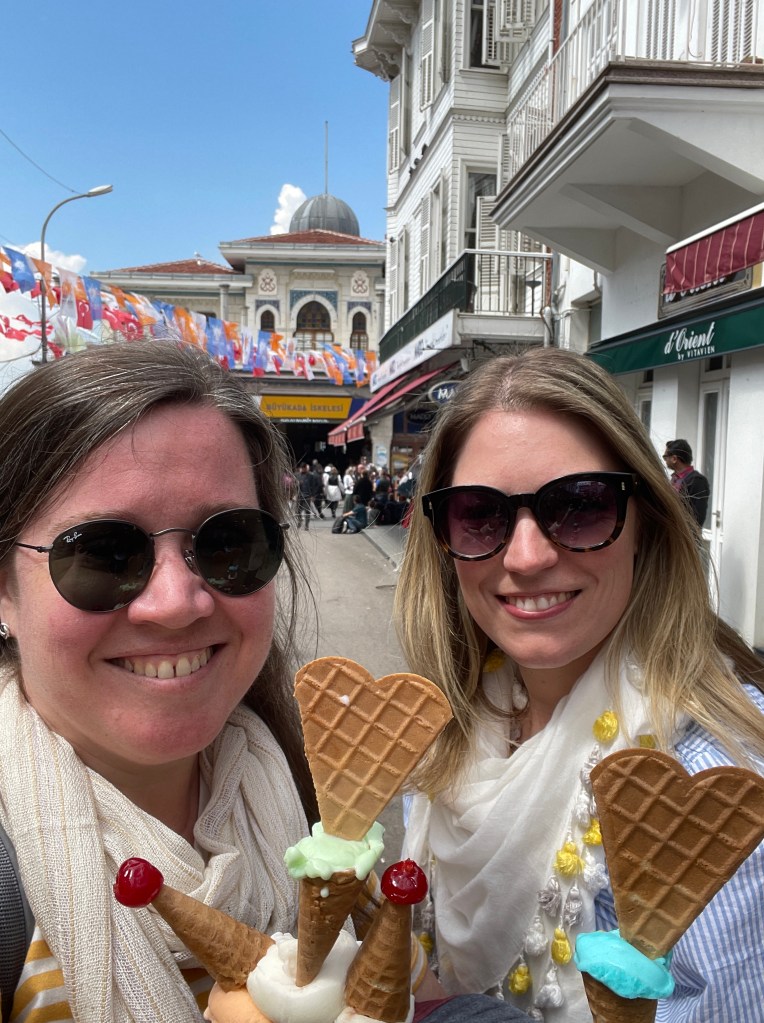
I wanted Tori to experience a different side of Turkey but we didn’t want to board another plane. We opted for a night on Büyükada, one of the Prince’s Islands in the Sea of Marmara. An easy ferry ride away, Büyükada proved the perfect little island getaway. Since the ferries are run by the municipality, you can tap your Istanbulkart at the ferry terminal. It cost us a mere $2 each to reach the island.
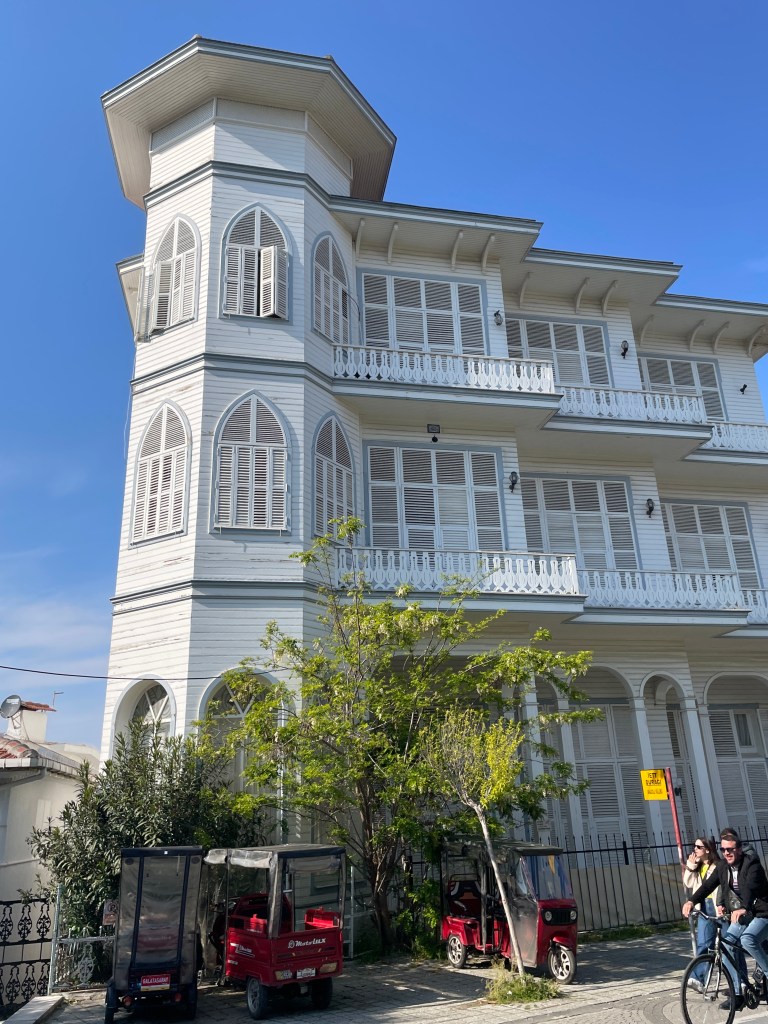
Büyükada could not have been more different from downtown Istanbul. Bicycles and electric golf carts are the main mode of transportation. We walked around, taking in the old Victorian homes once occupied by wealthy Jewish vacationers. We caught a pop up of Emma’s Baked Goods recommended by a friend. After the tourists left for the night, it was fun to have the place to ourselves.
The next morning, we rented bikes and spent a lot of walking those bikes up and down the steep hills of the island. It was nice to get outside the downtown and escape the packed crowds disembarking from the ferries. As it was a public holiday in Turkey and the economy is not great, many people have chosen to stay local for holidays this year, bringing intense crowds to the city and the islands.
All too soon it was time to leave island life behind and return to normal life. Tori headed back to Boston and home to her own furry companions. Moloko and I were sad to see her go but really enjoyed her visit. I will be taking that same flight back to Boston in just about a month. Summer is coming fast! Hope you’re all doing well and taking care. More adventures to come…
Spring has arrived and so have my first visitors. My parents and our great friends, Charlie and Deb, arrived in April to stay for a little over a week. We saw the sights of Istanbul – the Hagia Sophia and shopping for spices in Eminönü were highlights. We were even able to enter the Blue Mosque after months of renovations and the completion of Ramadan. Jet lag did not slow this crew down one bit.
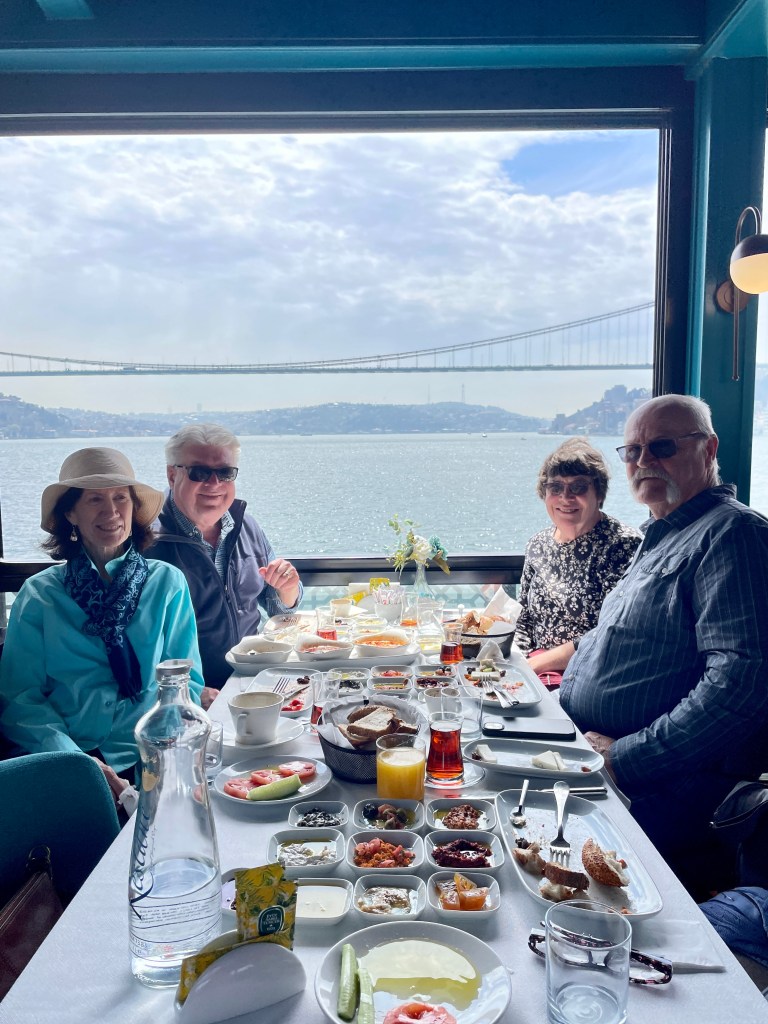
Our brunch cruise on the Bosphorus Strait
We spent the weekend in Istanbul and flew to Greece on the Monday following Orthodox Easter. April is still shoulder season so we didn’t have to contend with heavy crowds yet. The weather was perfect for exploring the city.
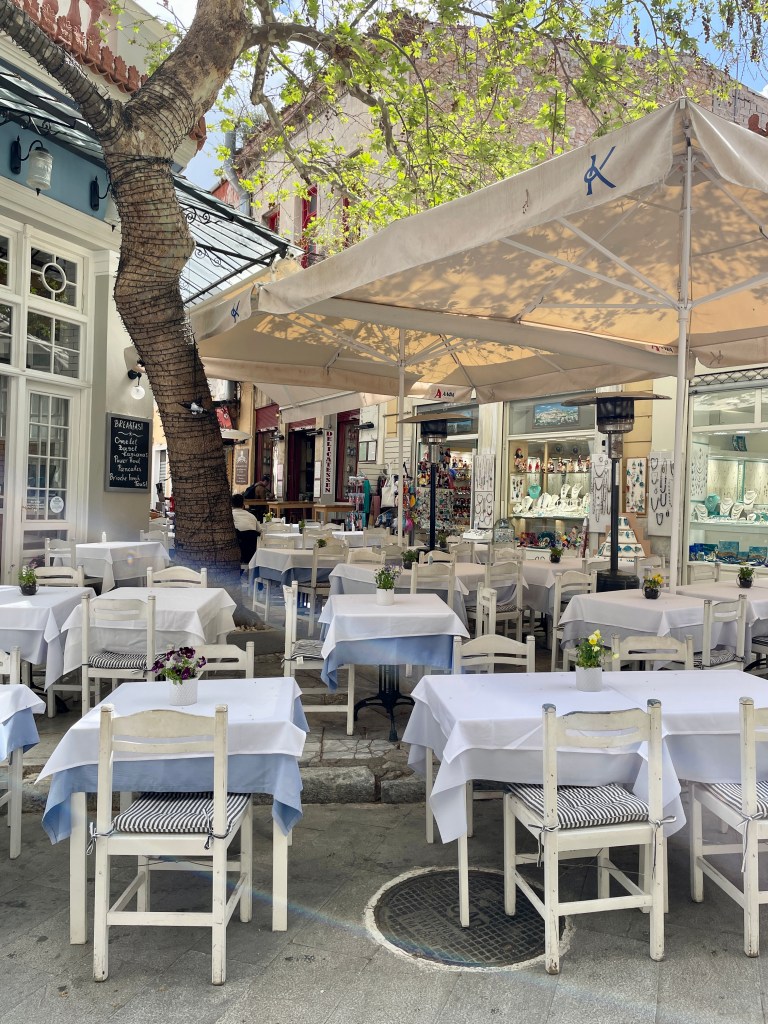
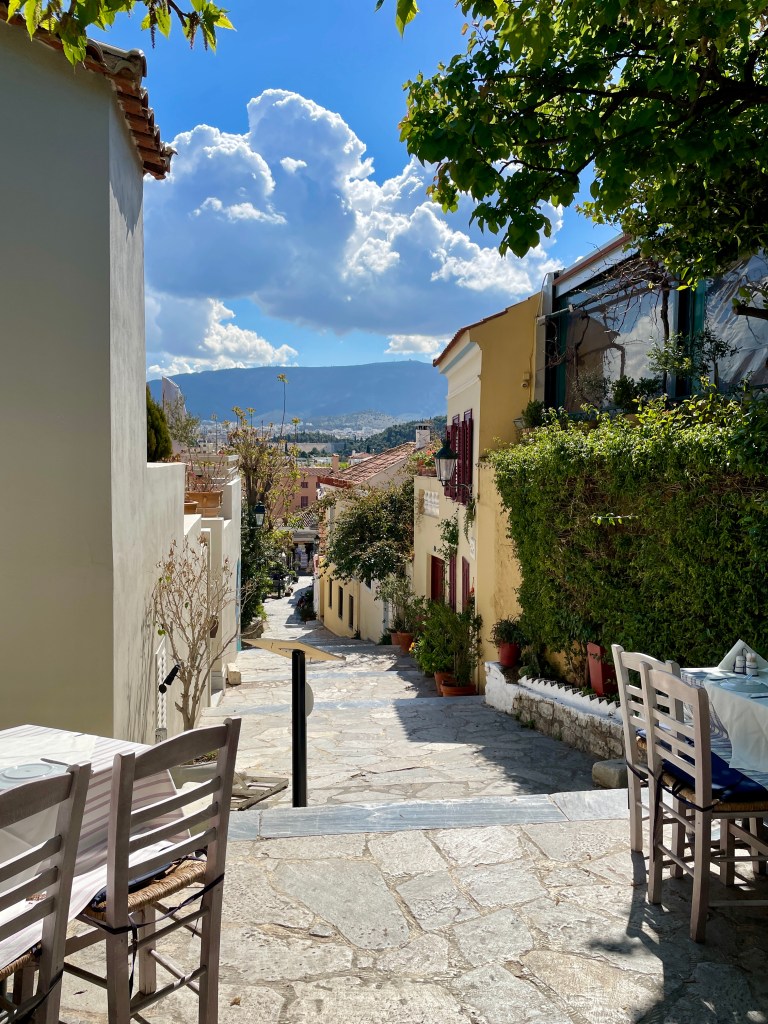
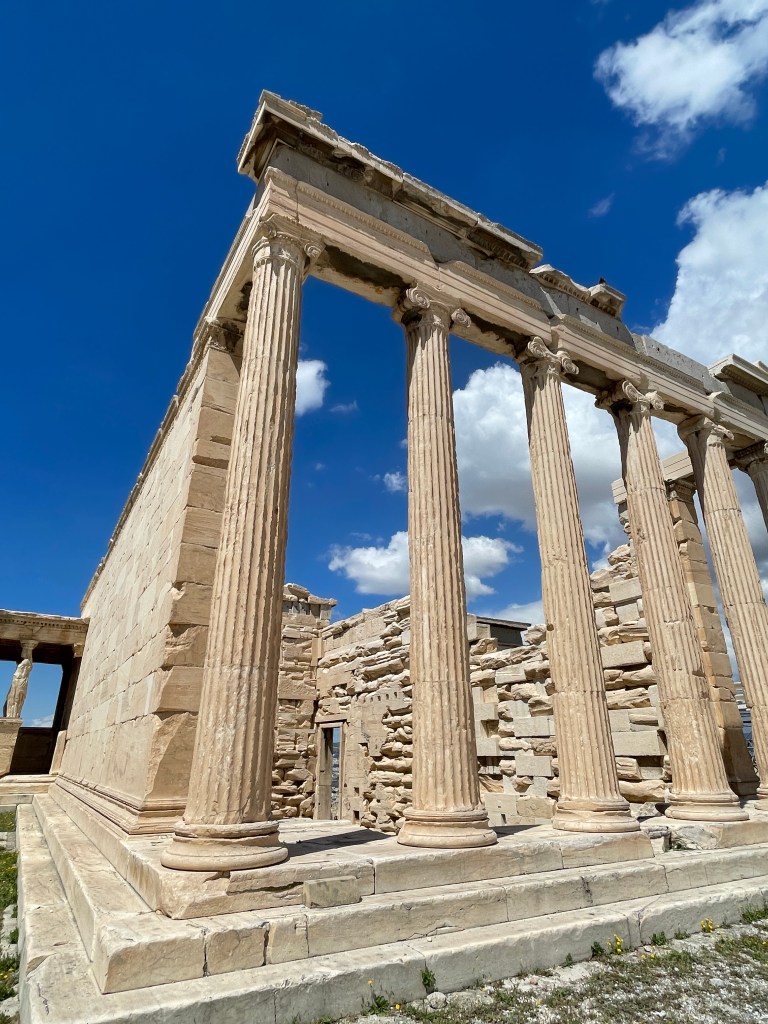
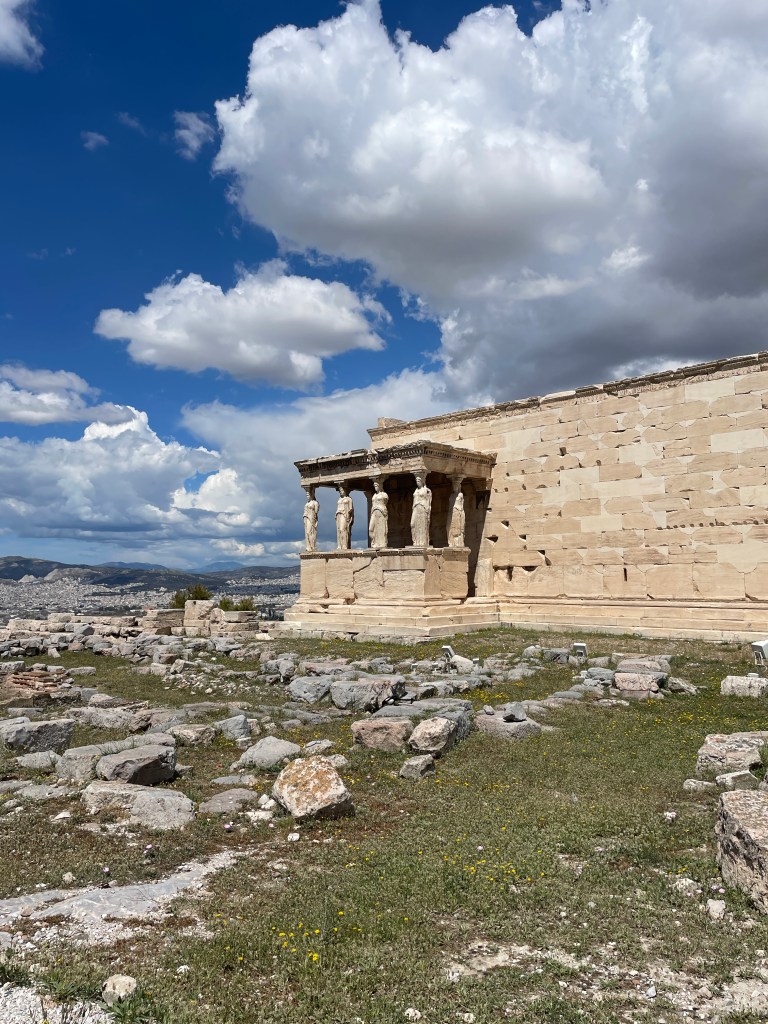
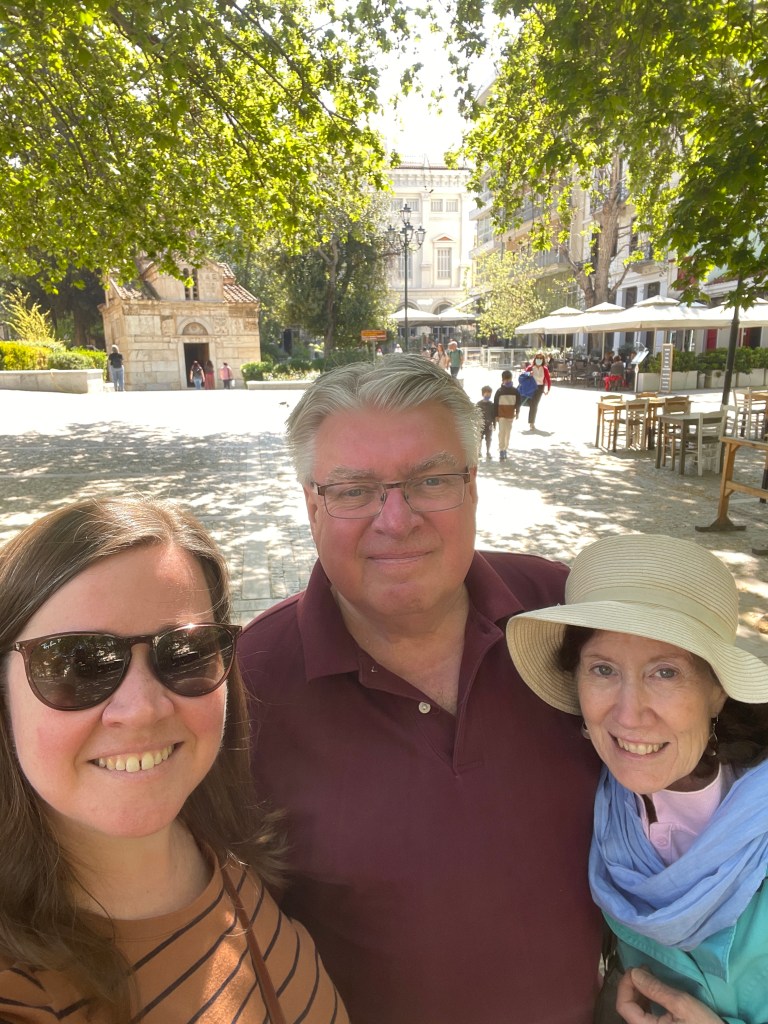
There was a trifecta which really made our trip particularly great. The first piece of the puzzle was our hotel (Central Hotel) which had been recommended by my brother, Brett, and his girlfriend, Katie. Located right on the edge of the Plaka neighborhood, everything was easily within reach. We were mere minutes from cathedrals, cafes, and even the Acropolis.
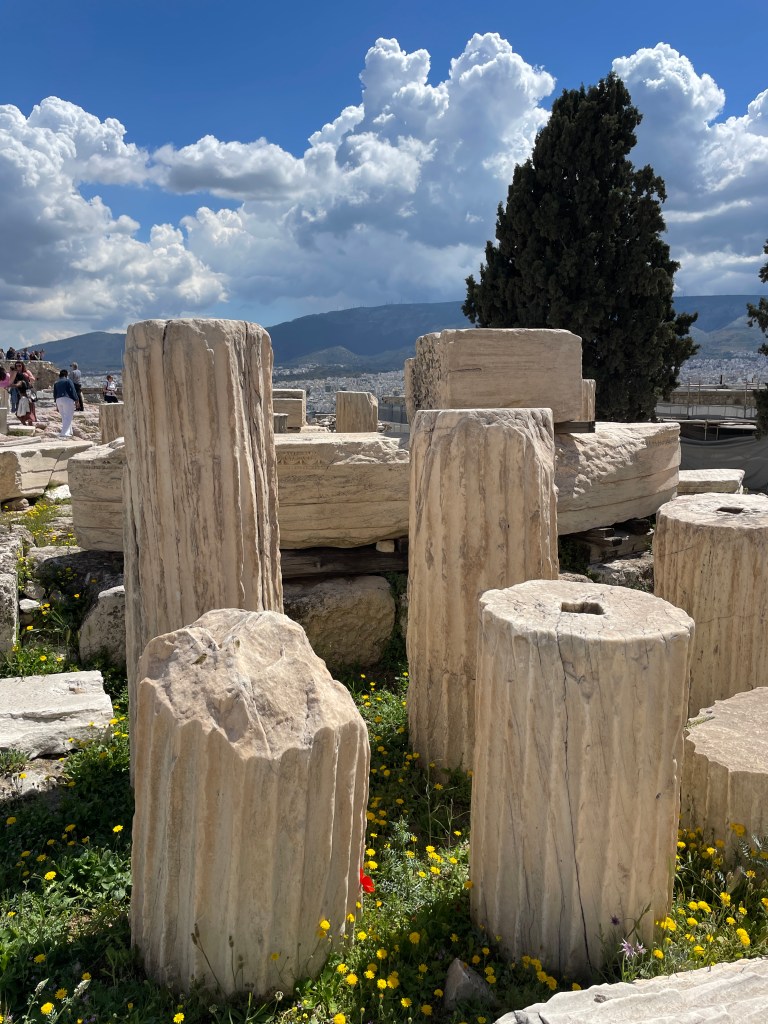
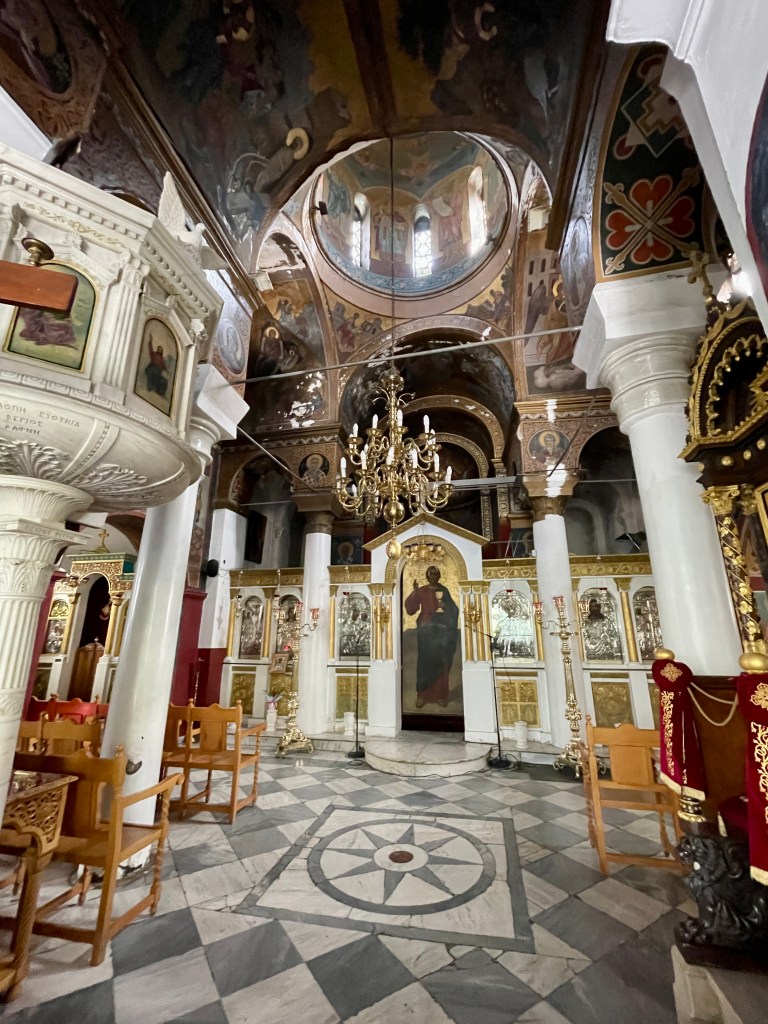
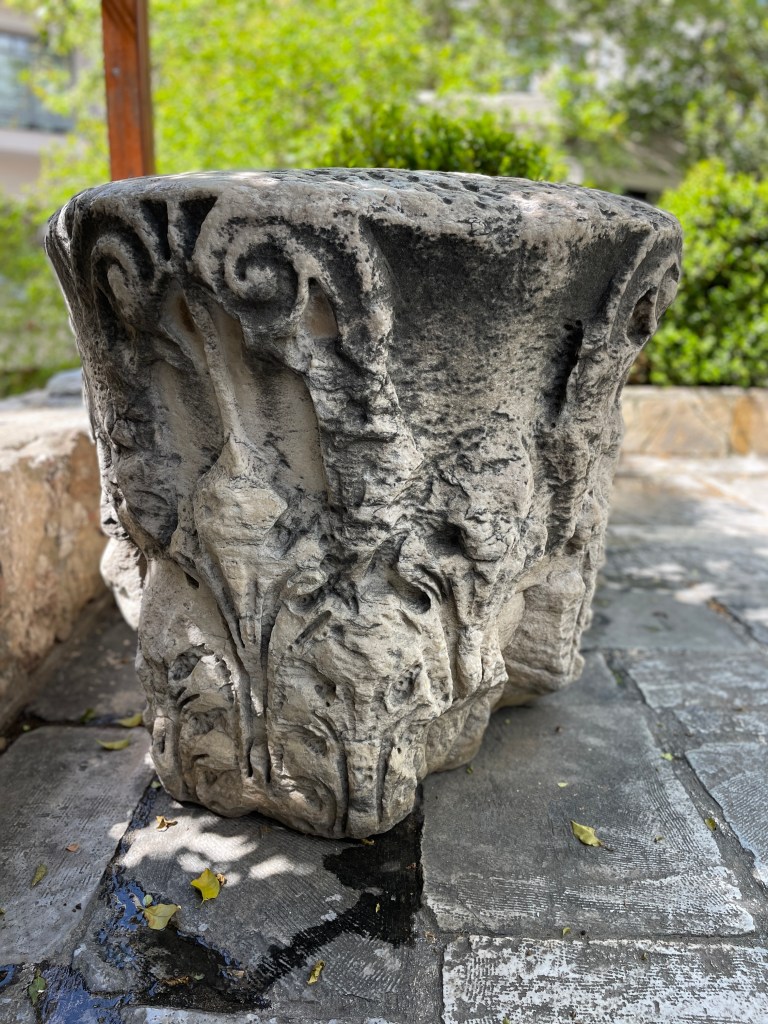
The religious history in Athens is second maybe only to Rome. It blew my mind how you could rock up to a tiny Byzantine church and find the capital of a Corinthian column just sitting outside. Created millennia apart but today sitting side-by-side.
The second key to our great trip was the itinerary my dad prepared for our time in Greece. Highlights include a bus ride down the coast to see sunset at the Temple of Poseidon as well as a day trip to the island of Aegina by high speed ferry.
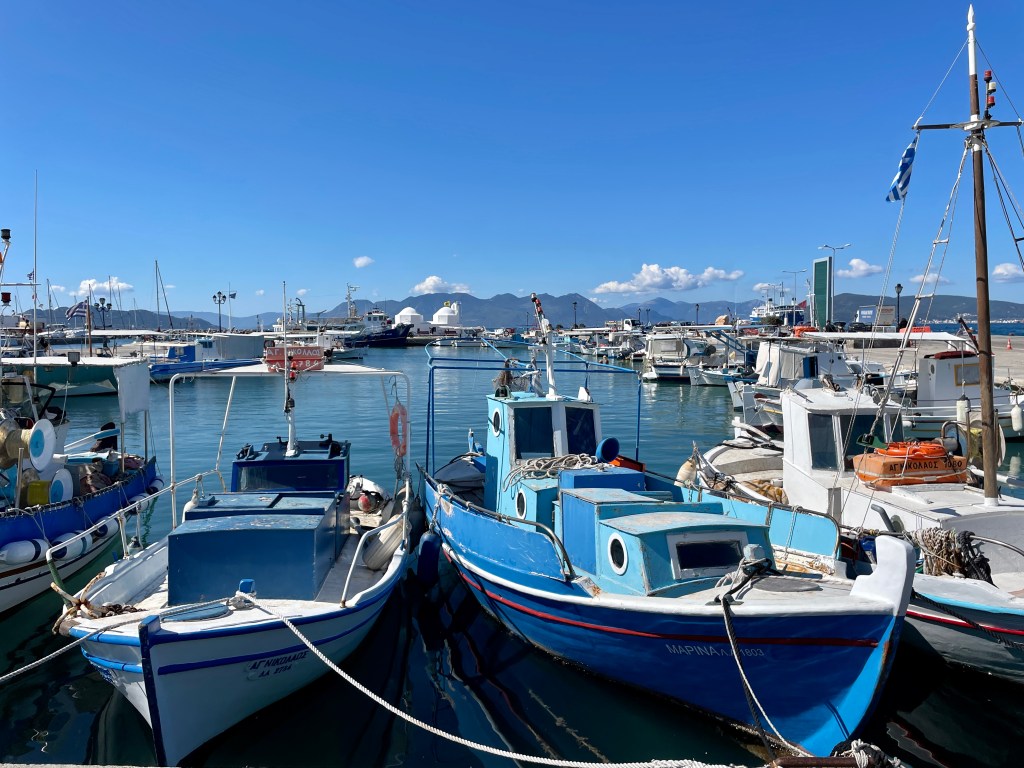
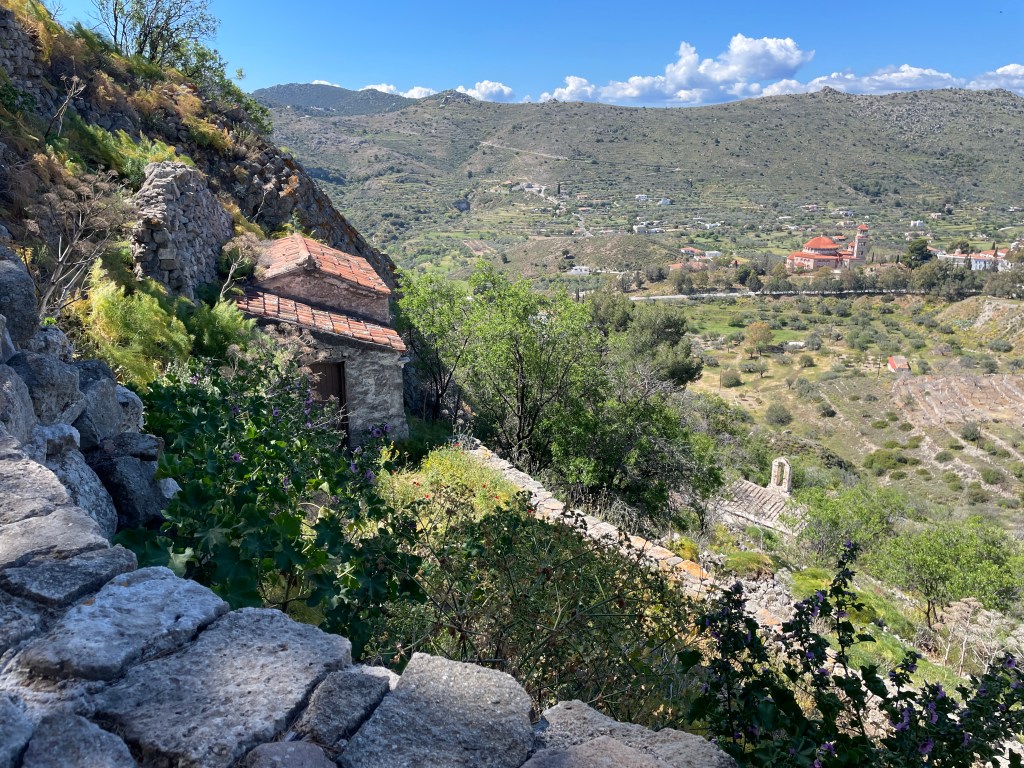
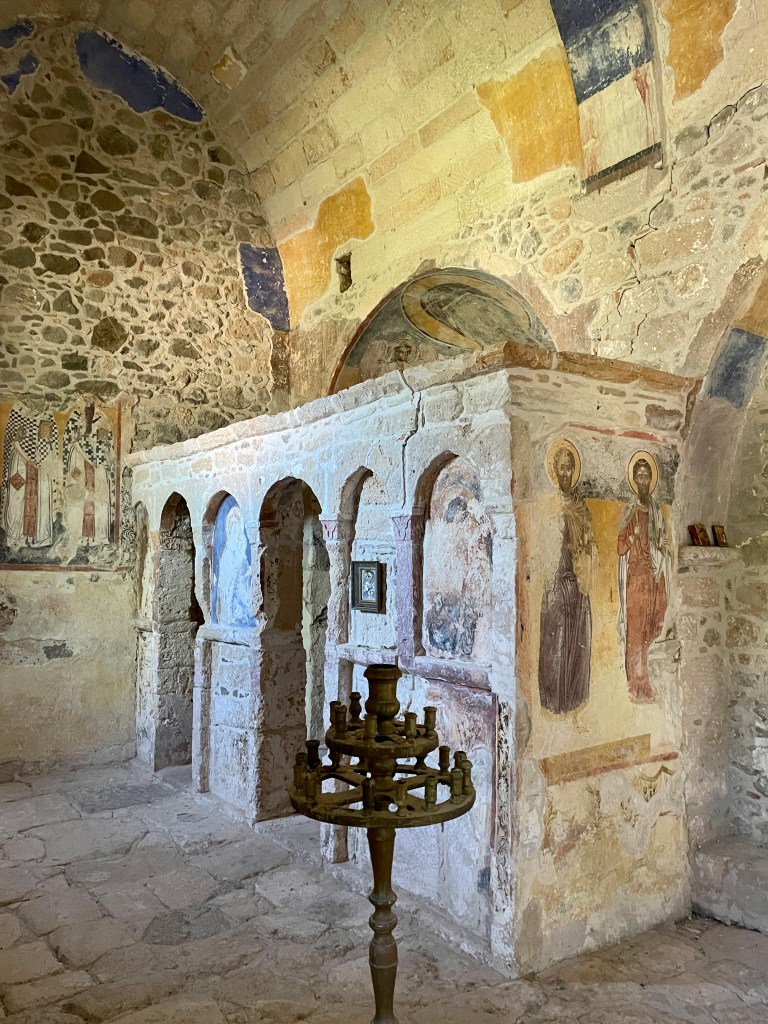
Just off the coast of Athens, the island of Aegina once featured 365 mountain churches, one for each day of the year. We visited just a few of the 180 which remain and toured the island under the guidance of our spirited tour leader, Sandy.
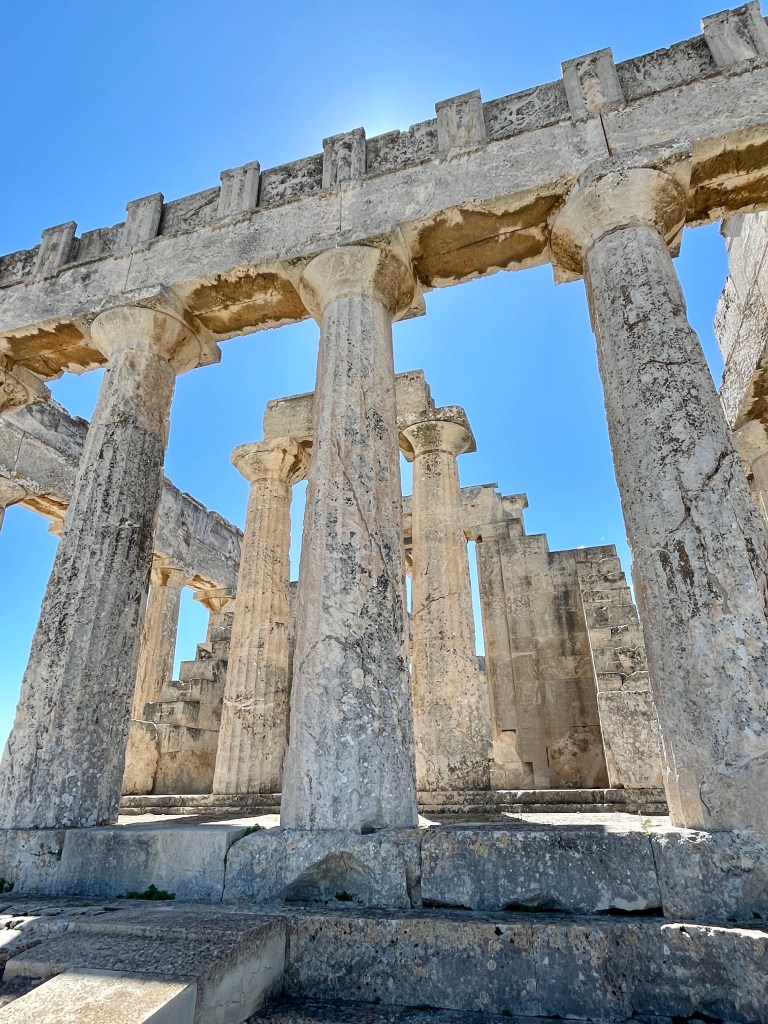
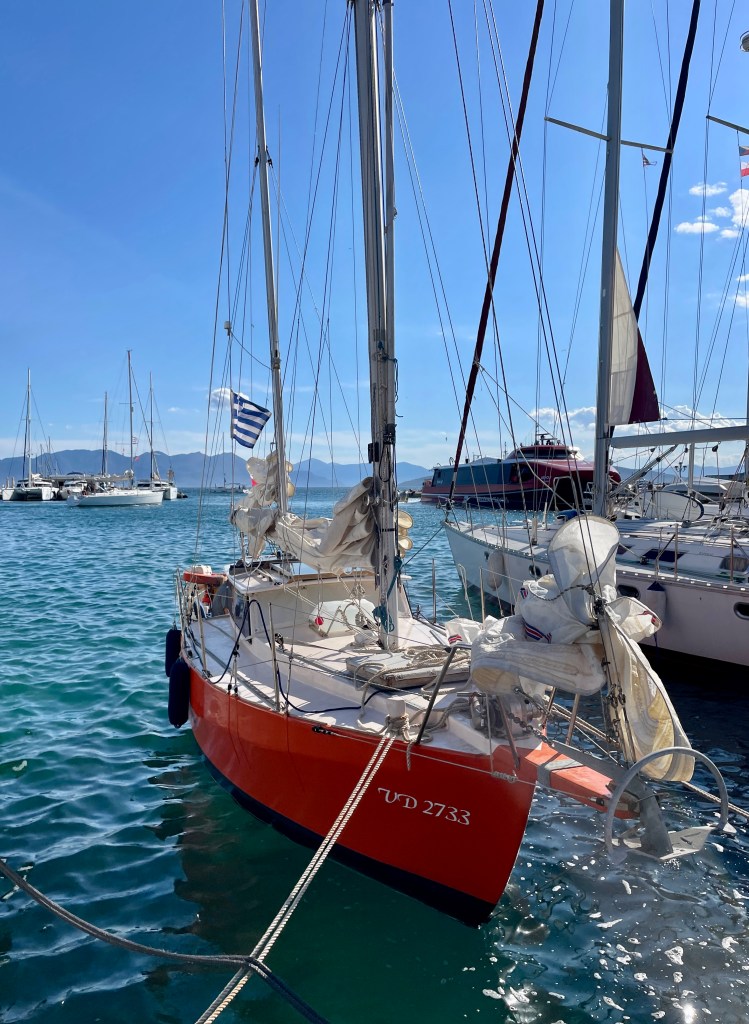
After lunch, we explored the Temple of Aphaea and spent time down at the harbor enjoying the sunlight dancing on the turquoise water of the Aegean.
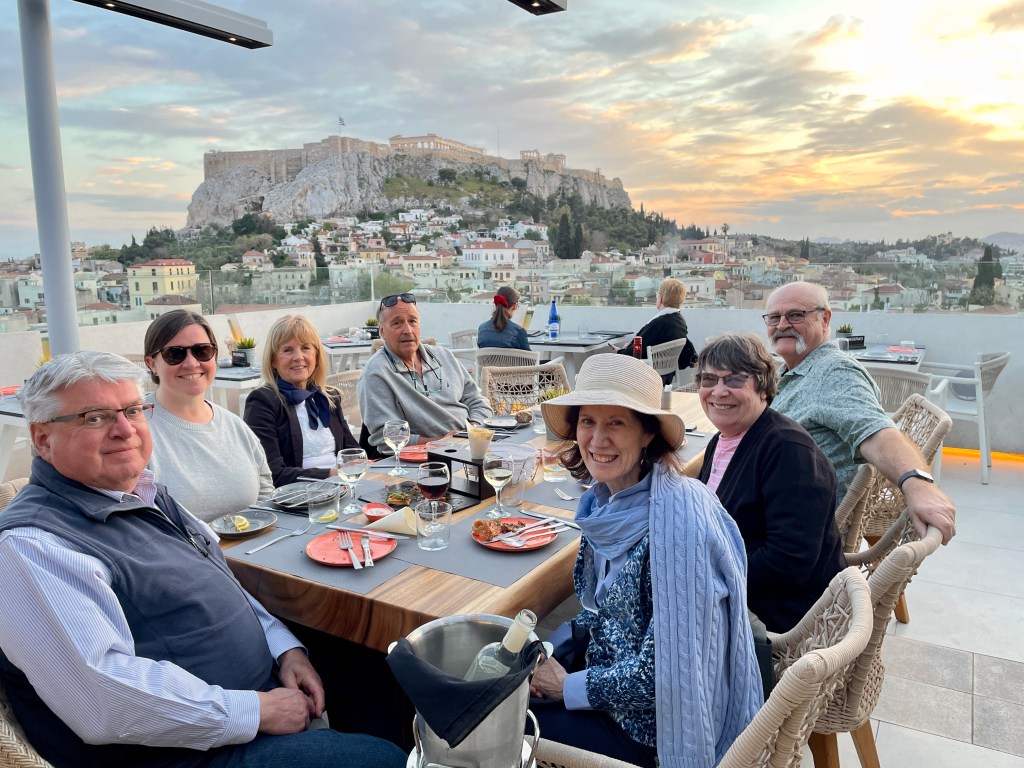
The last special piece was, of course, the people. By coincidence, Charlie had a childhood friend in Athens at the time of our visit. Steve was visiting his girlfriend, Georgia, who is from Greece and graciously toured us all around her city. It was pretty awesome hearing Steve’s strong Maine accent on the streets of Athens. We had a great time hanging out with those guys and learned a lot about Georgia’s culture.
Hotel rooftop on Mom’s birthday – there are four Searsport District High School grads in this pic 🙂
Before we knew it, it was time to head back to Istanbul. Athens could not have been a better host. The welcoming people of Greece, the amazing food, and the company really made it a phenomenal trip. Lots of wonderful memories!





































 The Turquoise Chronicles