In seeking cool experiences in foreign cities, I often turn to AirBnb Experiences. There I find entrepreneurial guides who are passionate about sharing their cities, their art forms, and their cultures. It’s also a great way to meet other travelers, which can be a real joy when traveling solo.
Living in Istanbul, there is are cultural experiences everywhere I turn. I’m only too aware of all there is to explore and I’m always looking for access points into the many neighborhoods and pockets of the downtown area. Spotting a Syrian food tour on AirBnb Experiences, I was immediately intrigued. There is a huge Syrian population in Istanbul but I knew little about their cultural traditions. After inviting a few friends along, we booked a Saturday night slot in Istanbul’s Fatih neighborhood.
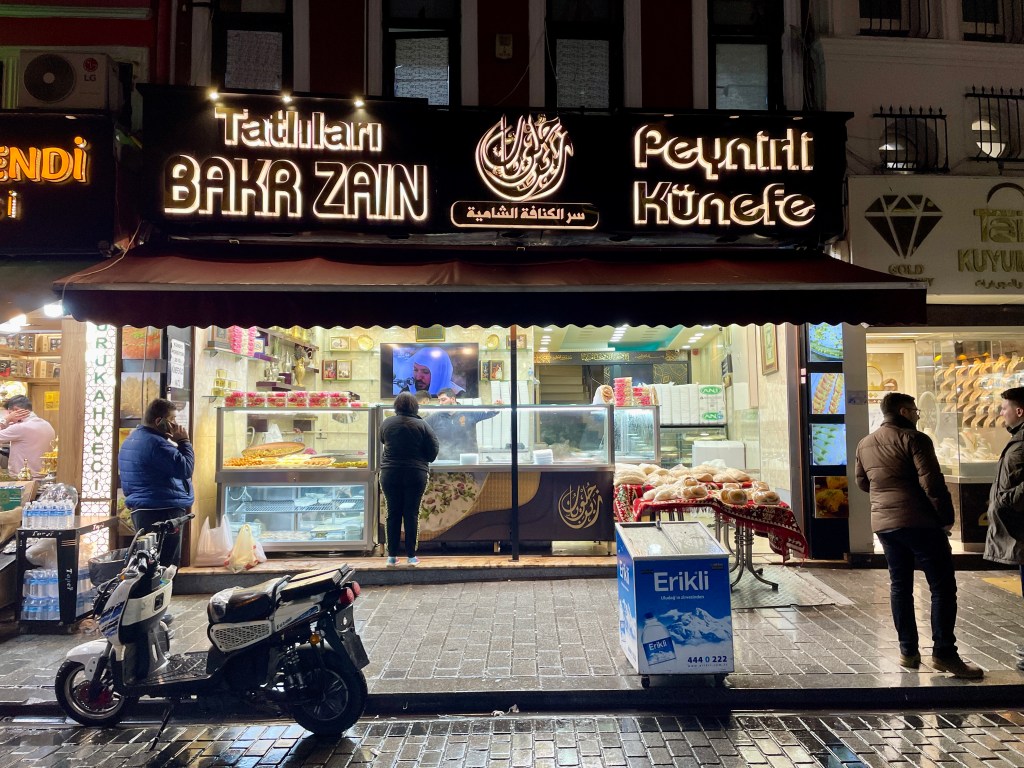
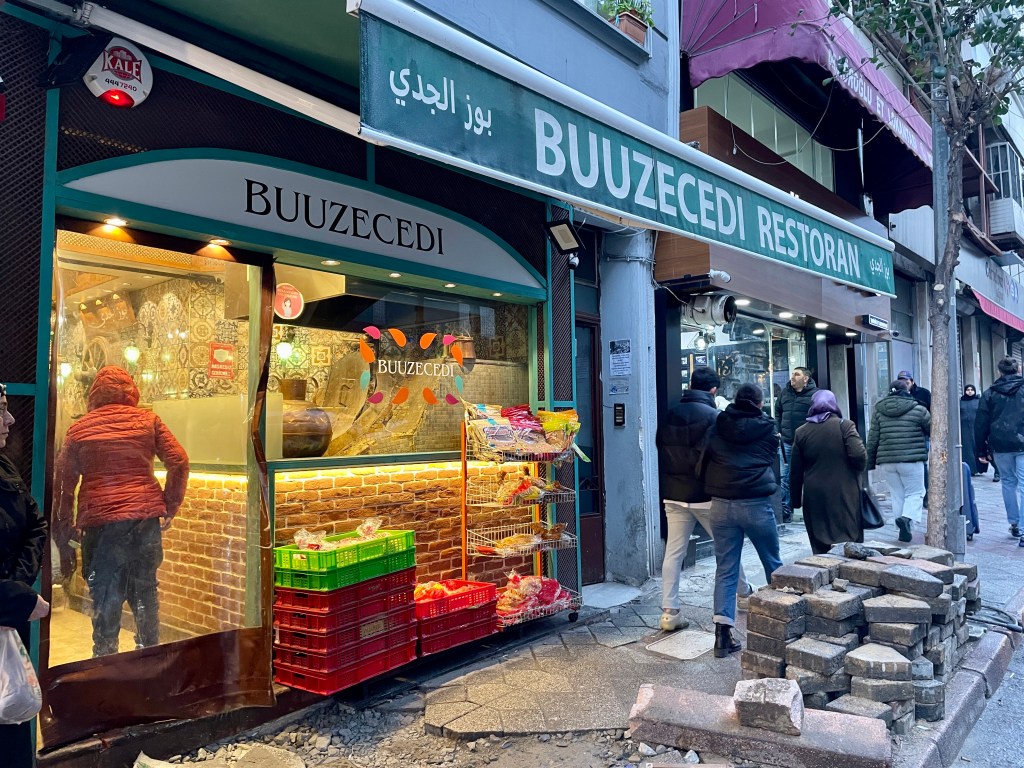
Growing up, I really had little knowledge of Syria, it’s rich history dating back to the 3rd millennium BC. It’s capital, Damascus, is one the oldest inhabited cities in the world. Our tour guide, Yaman, hails from Damascus, having moved to Istanbul in 2013 seeking safety and security as a result of the Syrian Civil War, a result of the Arab Spring in March of 2011. We quickly learned that there are 600,000 Syrians registered in Istanbul, 3 million registered in Turkey on the whole. Please note that I say registered as the number is likely much higher than recorded. Syrian storefronts were once identifiable by their Arabic script (see pic above). Unfortunately, times have forced a change.

Our little group met in a park in Fatih – the four of us, two guys from Berlin, and Yaman, our tour guide. Fatih is a sprawling neighborhood perched upon one of the seven hills of Istanbul. It is home to a huge Syrian population, delicious restaurants and cafes, and the Fatih Camii (pronouced jaa-me), or the Fatih Mosque. A glorious structure rebuilt in 1771 after a devastating earthquake, it is known as the Conquerer’s Mosque (Fatih means conquerer). It is named for Mehmed the Conquerer, the Ottoman sultan who brought an end to the Byzantine Empire by conquering Constantinople in 1451 at the ripe old age of 21. We were welcomed inside the mosque and marveled at it’s gorgeous architecture. Out of respect, I did not take any photos inside.
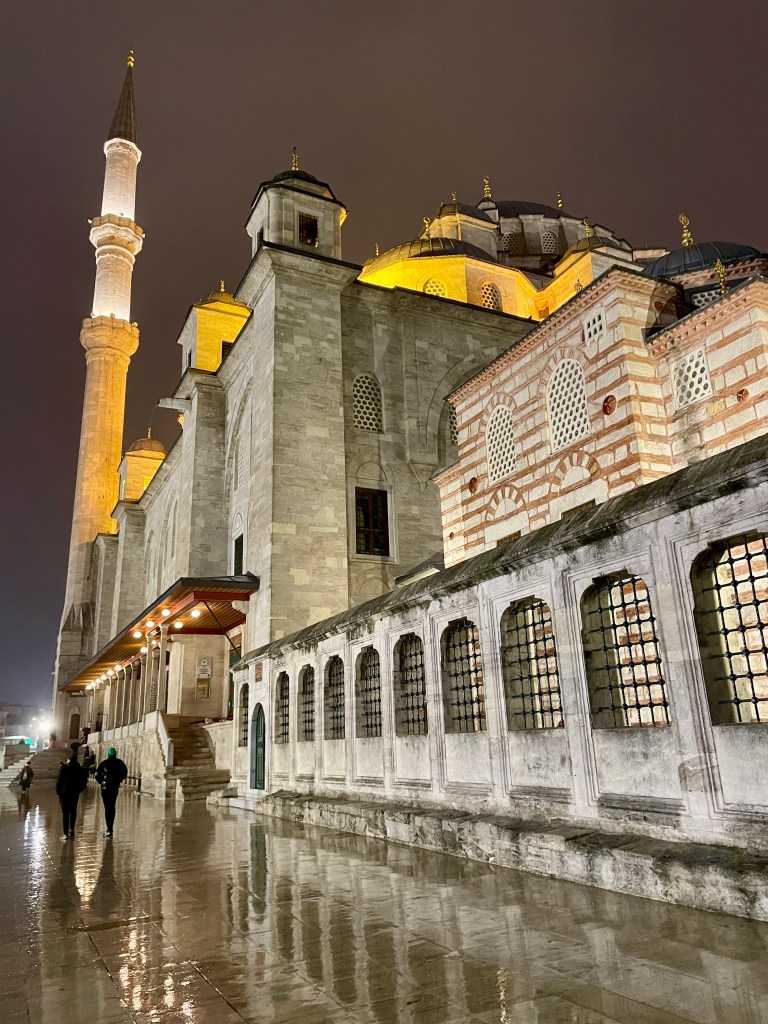
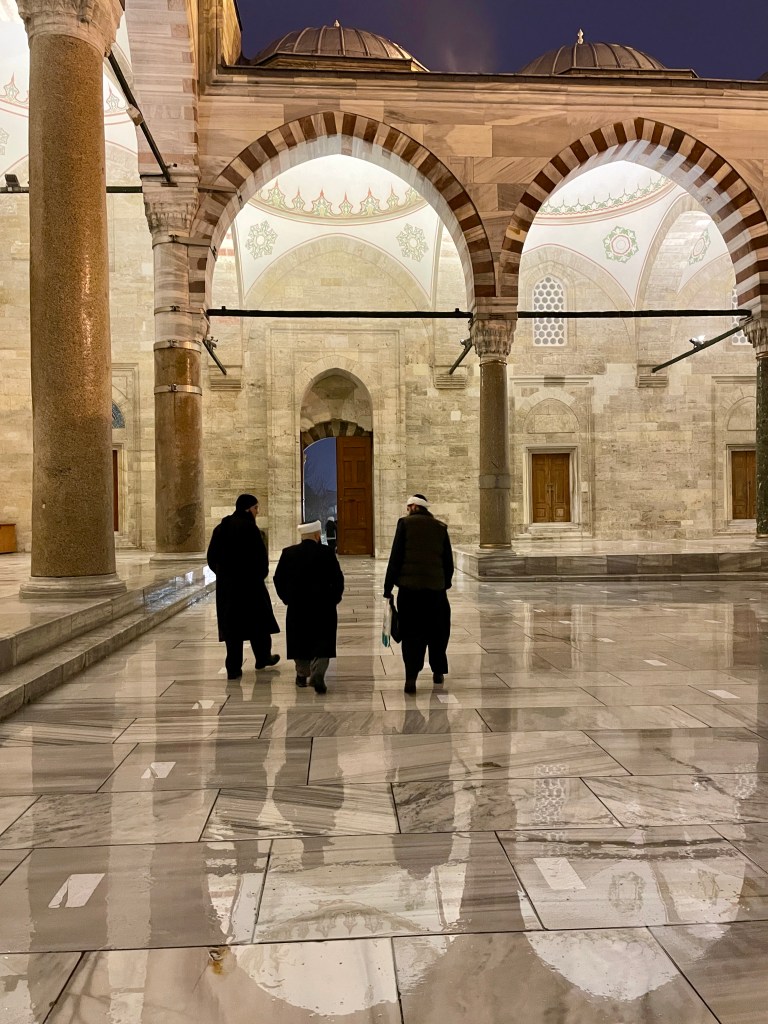
By happenstance, our Syrian food tour was scheduled just prior to the start of Ramadan, or Ramazan, as it is called locally. During this month-long observation, practicing Muslims will head to the mosque for sundown prayers each evening. After, the grounds of the mosque will be flooded with people ending their fast by sharing food, known as iftar. Children run and play in the yard of the mosque and adults socialize, often for hours. This celebration can last into the wee hours of the morning, often until 4am when observers will eat their second meal of the day suhur before the call to prayer begins their fast once again. Many observant people of faith abstain from water during the day as well. These daytime hours are meant for reflection, prayer, and study of the Quran, the religious text of Islam.
As this is my first Ramadan in a country of predominantly Islamic faith, I’m observing new customs everyday. My dry cleaner closes unpredictably early to prepare to for evening prayers and breaking fast. Traffic jams up around 7:30pm each night as people make their way to the mosque. The nights are much more lively in my park as people are out socializing after evening prayers at the mosque. Many of my students have begun fasting, too. I’ve always had a few students do observe in international schools but, as Islam is more common in this area, it is lovely that they have more support here. It’s really lovely to see them wish each other the best in their fast.


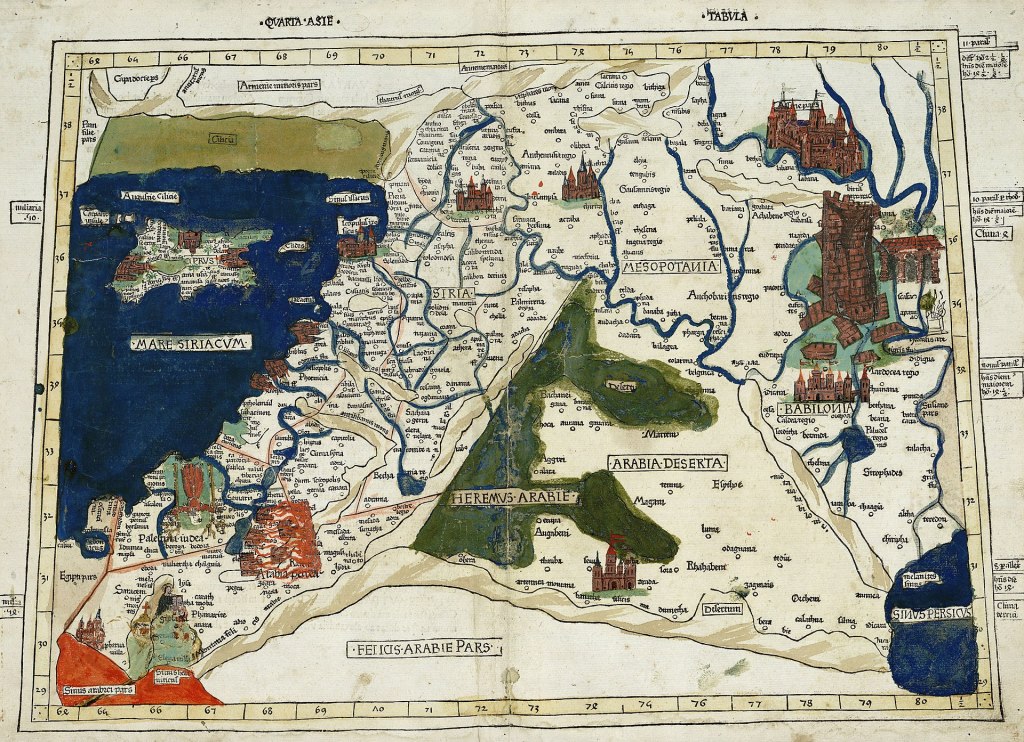
But back to the food tour. Born of the agricultural traditions of The Fertile Crescent, Syrian food is hailed as some of the best fare in the entire world. I’m talking hummus, pita, yogurt, pickled vegetables, and falafel for starters. The people of ancient Mesopotamia were not messing around. The spices cultivated between the Tigris and Euphrates create the rich flavors of Syrian food we enjoy today. Find a 15th century map of the region below.
The first stop on our food tour was Buuzecedi Restoran. A well-known spot in Damascus, this restaurant has been opened by the owner’s son here in Istanbul. Yaman tells us this is common practice and you have to check to make sure there is a legitimate link to the original, not just a cousin cashing in on the name. This one definitely checks out.
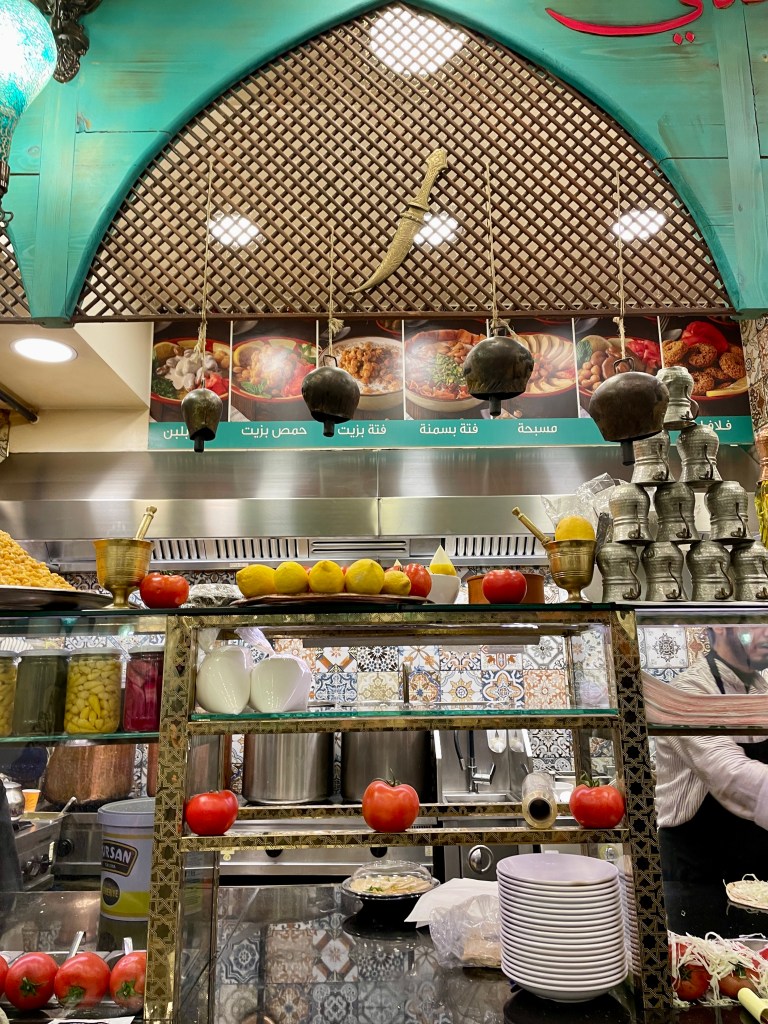
The restaurant was bustling with pick up orders, families enjoying their evening meal, and a Syrian soap opera on the TV. Our hosts were extremely welcoming and inviting, plying us with a continuous stream of dishes. Peep that chickpea pile on the bottom left.
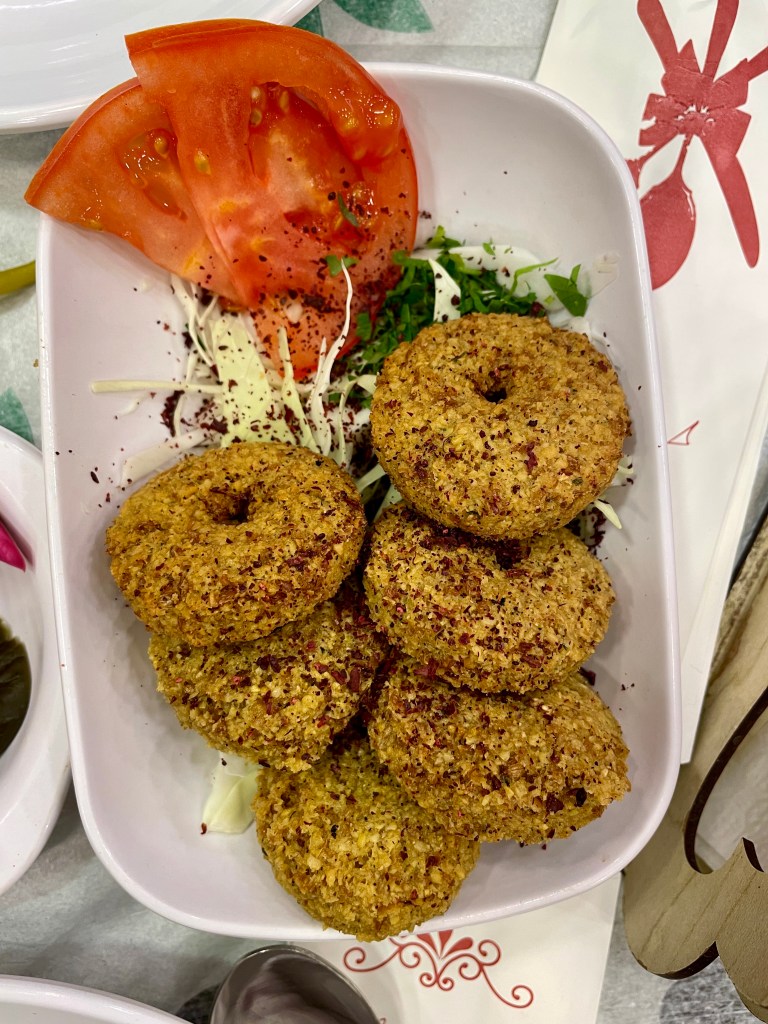
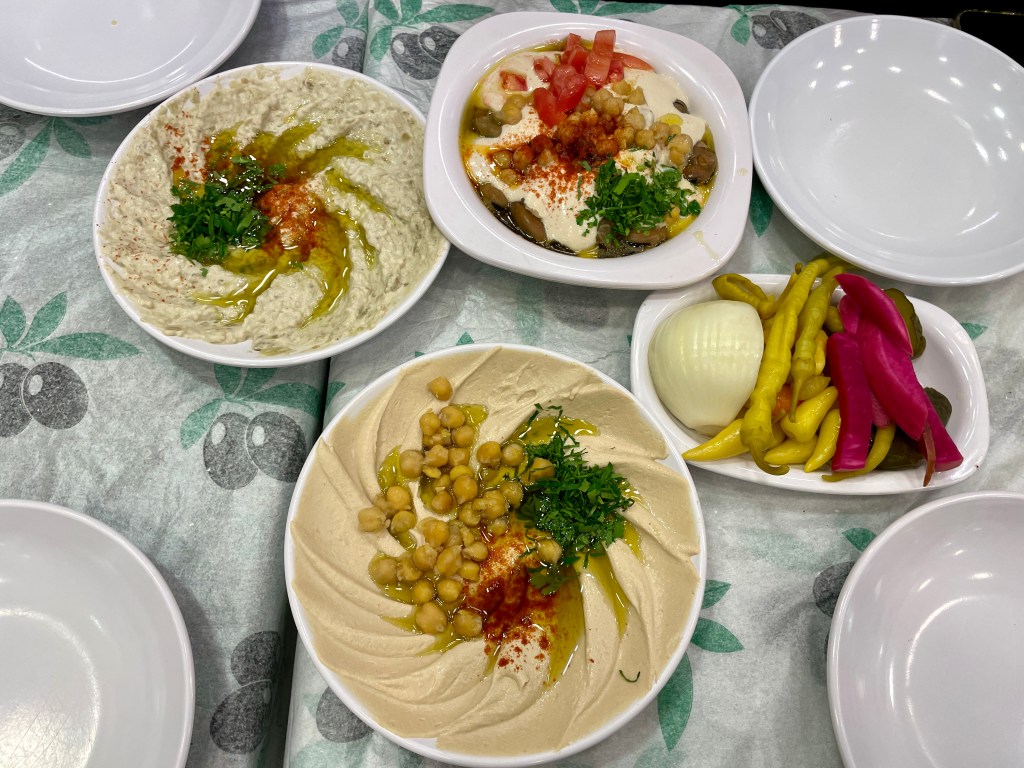
We sampled dishes containing olive oil, tahini, fava beans, and eggplant. We learned that Syrians typically do not make their own hummus, they purchase it locally. This is due to the need for the chickpea mixture to be cooked through the night, requiring a huge output of energy. It’s simply more cost and energy effective to purchase. I brought a container of this hummus home, truly the best I’ve ever tasted.
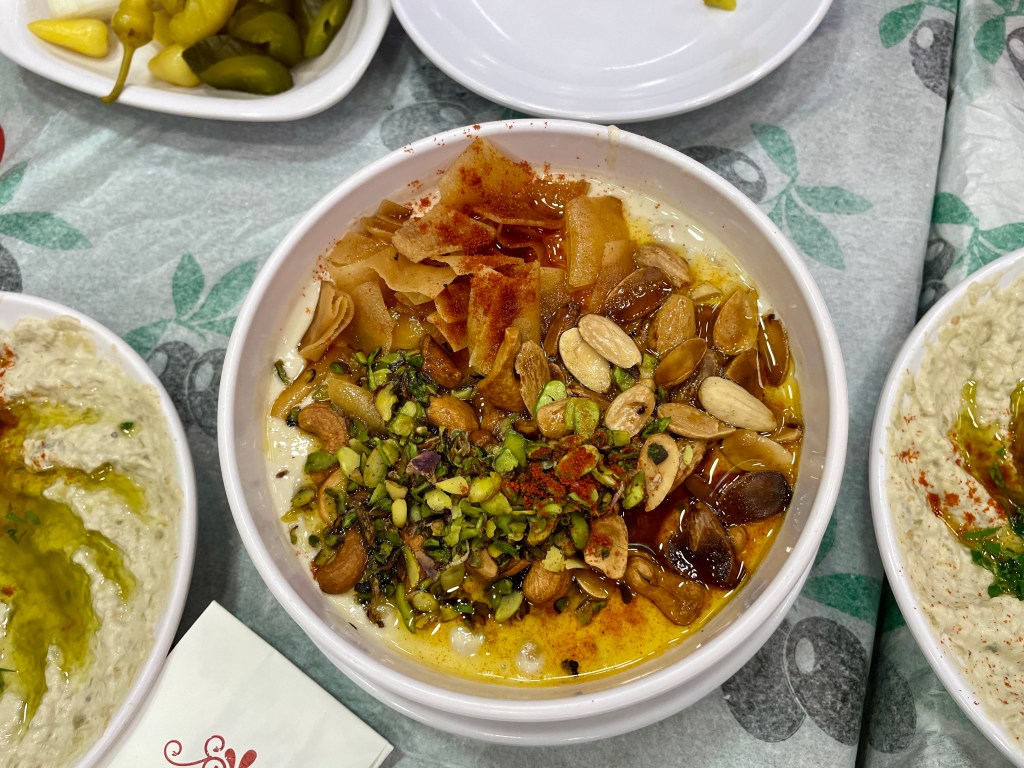
Below is my favorite dish by far – it’s called fatteh. Made from yogurt, toasted pine nuts, chickpeas, with bits of toasted pita mixed in, it was super hearty. As Syrians don’t generally drink liquid with their meals, we Westerners were already finding ourselves quite full.
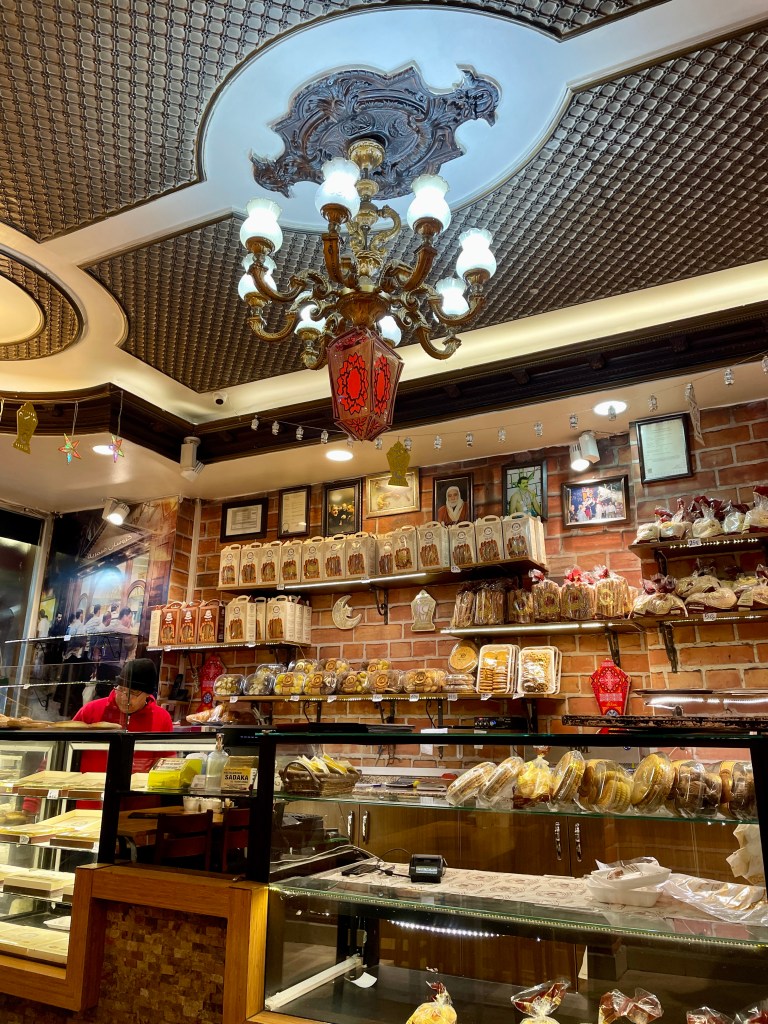
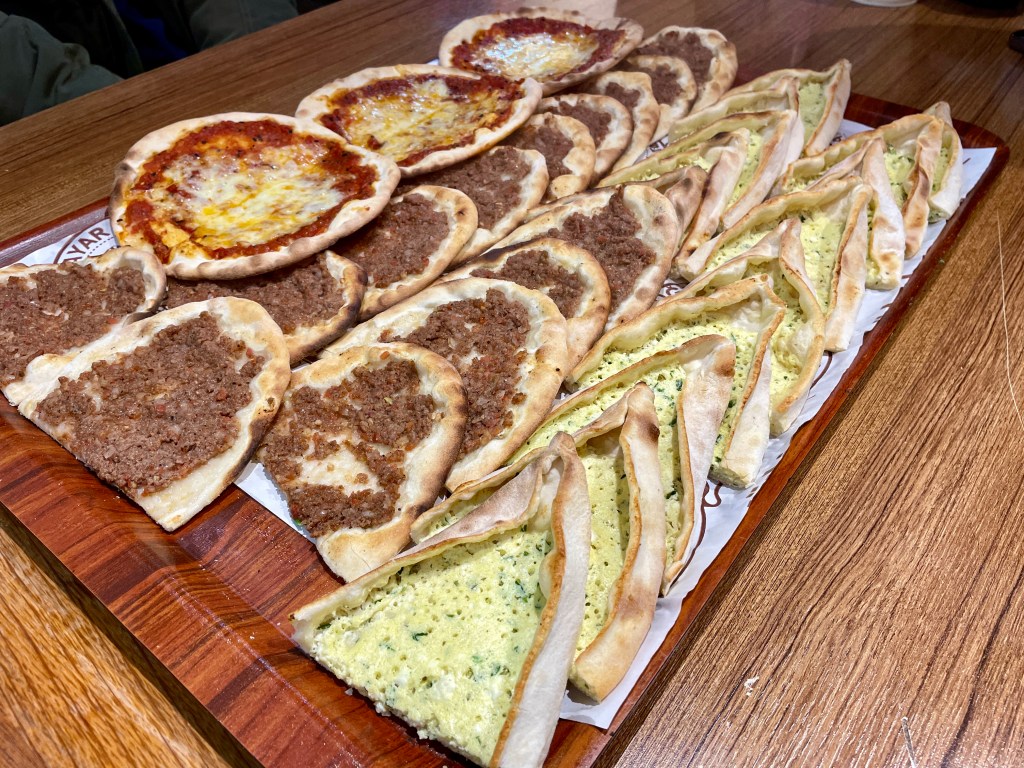
We next visited a bakery called ZayarOglu. There we enjoyed more pita covered with delicious spices. My favorite topping was below right – a mixture called za’atar made up of herbs, sumac, sesame, and salt.

Finding room in our second stomachs for dessert, we wrapped up our tour with knafeh. A pastry soaked in syrup and layered with cheese, knafeh is both savory and sweet. Thanks to the shared international border, there are Turkish and Syrian versions of this dessert. Both were delicious.

As I write this, the food tour is on pause in observance of Ramazan. The opportunity to learn about culture from people as warm and welcoming as Yaman is truly invaluable. I’m so thankful to be able to explore these cultures (new to me) in my own city. Hope you enjoyed this visual feast. Up next, a different kind of feast for the eyes – the Grade 12 IB Exhibition 🙂 Take care and have a good week, everyone.

 The Turquoise Chronicles