Last weekend, my friend Kasia and I took a train journey to the northwest of Türkiye, right on the Bulgarian border. Both fans of history and architecture, we had been talking about making this trip for months. With a newly opened railroad stop in our little park and Kasia’s determination to purchase the tickets (never a simple endeavor in Turkey), we finally made it happen!
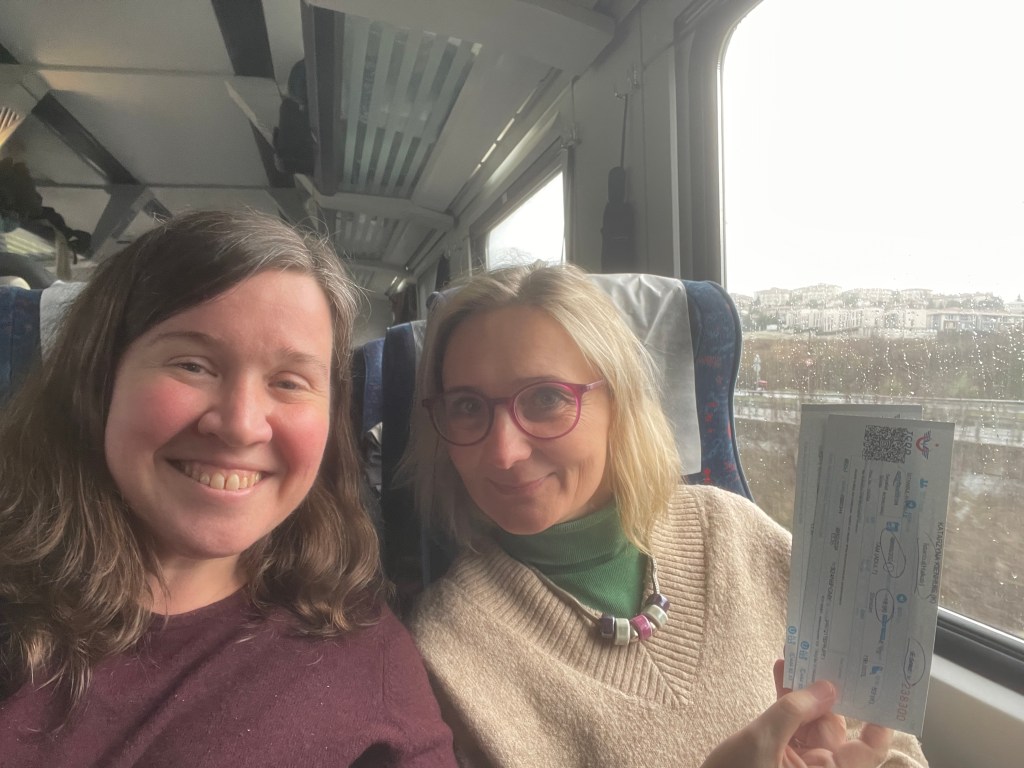
A light rain fell upon us as we boarded the train at Ispartakule. We quickly entered the Turkish countryside, sidling by my school on the Bulgaria-bound tracks. As is often the case, the train took extra long stops at multiple stations, arriving in Edirne about an hour late. With a roundtrip ticket cost of 370 Turkish lira ($12 USD), one really can’t complain.
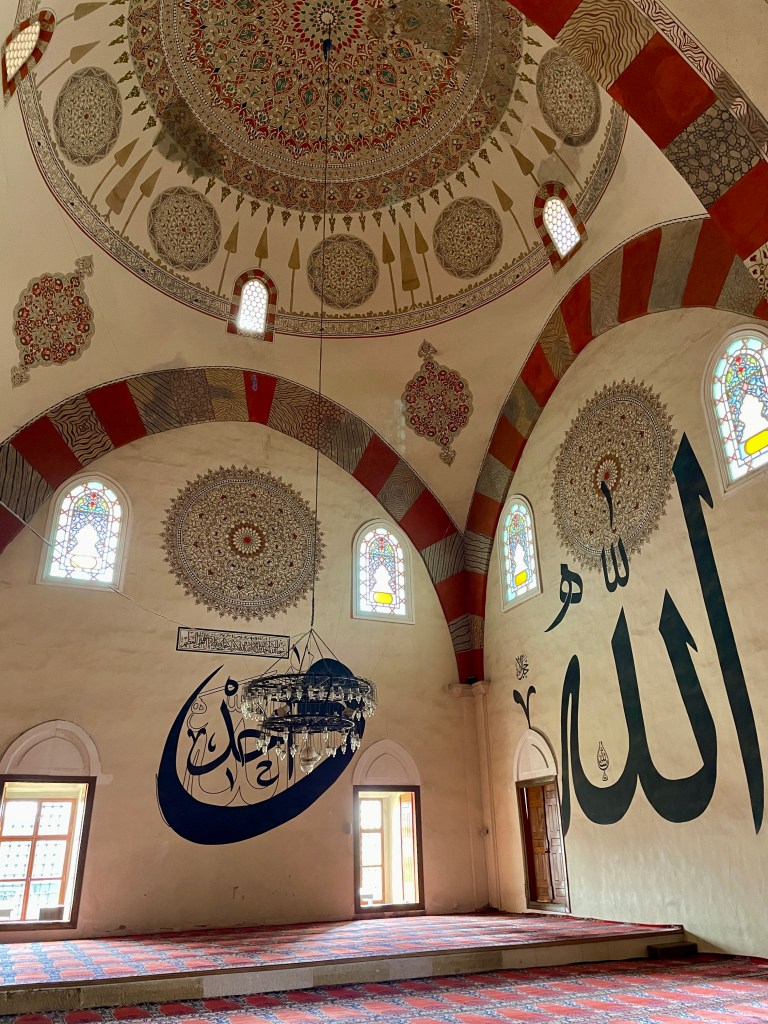
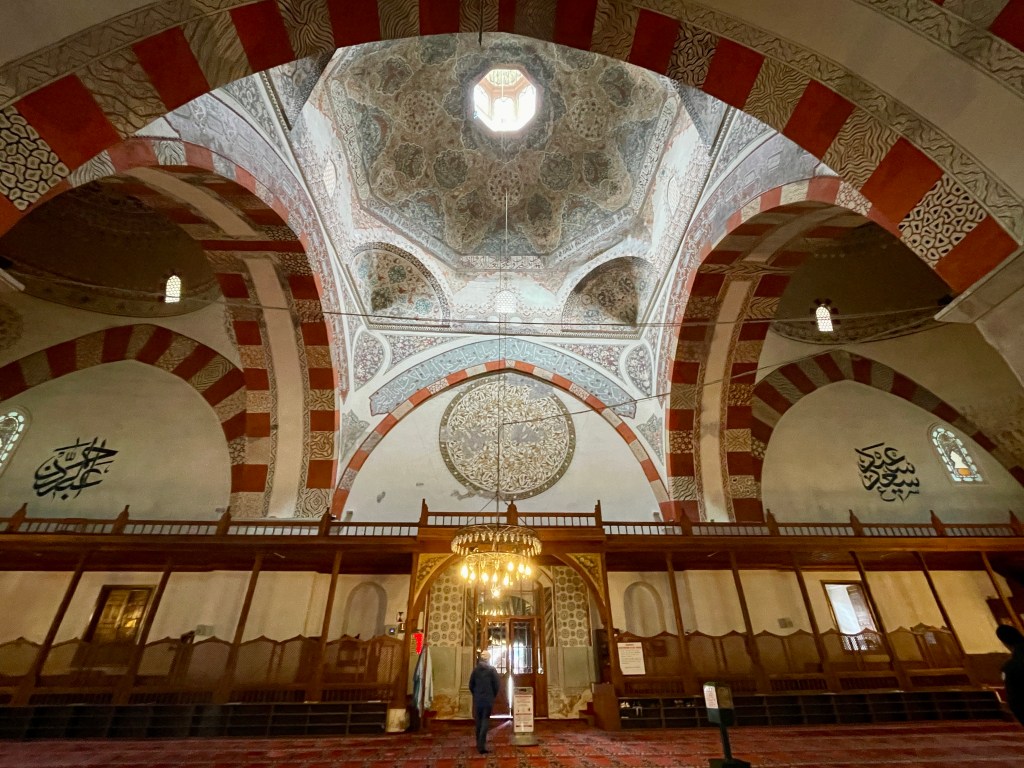
A gorgeous morning greeted us on our first day in Edirne. Finishing breakfast at the West Door Hotel (I’d give it three stars for its central location), we set out on foot. A former capital of the Ottoman Empire, prior to Constantinople, Edirne boasts a number of gorgeous mosques, a health museum, and a number of Roman ruins. We chose the Selimiye Mosque as our first destination.

Edirne’s “modern” history begins in 510BC when the Persian Empire ruled this land. The Byzantine Empire followed and Edirne remained under Byzantine rule after the empire split from the Romans in 395BC. Macedonian Phillip II (the father of Alexander the Great) took over as ruler in 340BC.
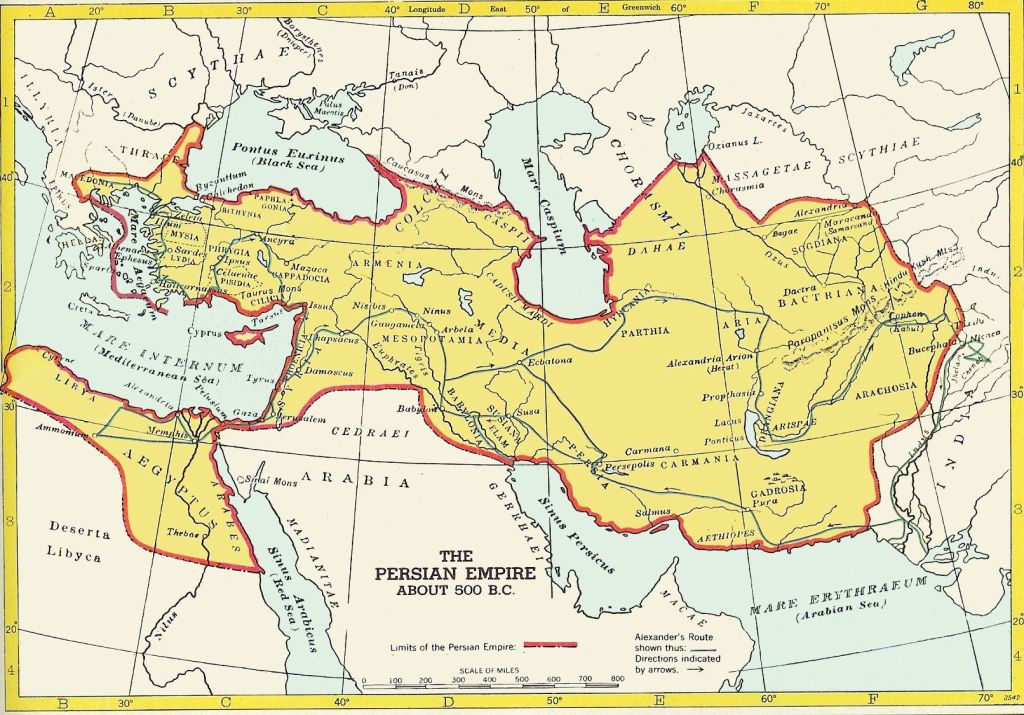
Fast forward a few millennia to the 14th century and the Ottomans were in charge of much of southeast Europe, North Africa, and West Asia. In 1395, Edirne was named the capital of the Ottoman Empire.

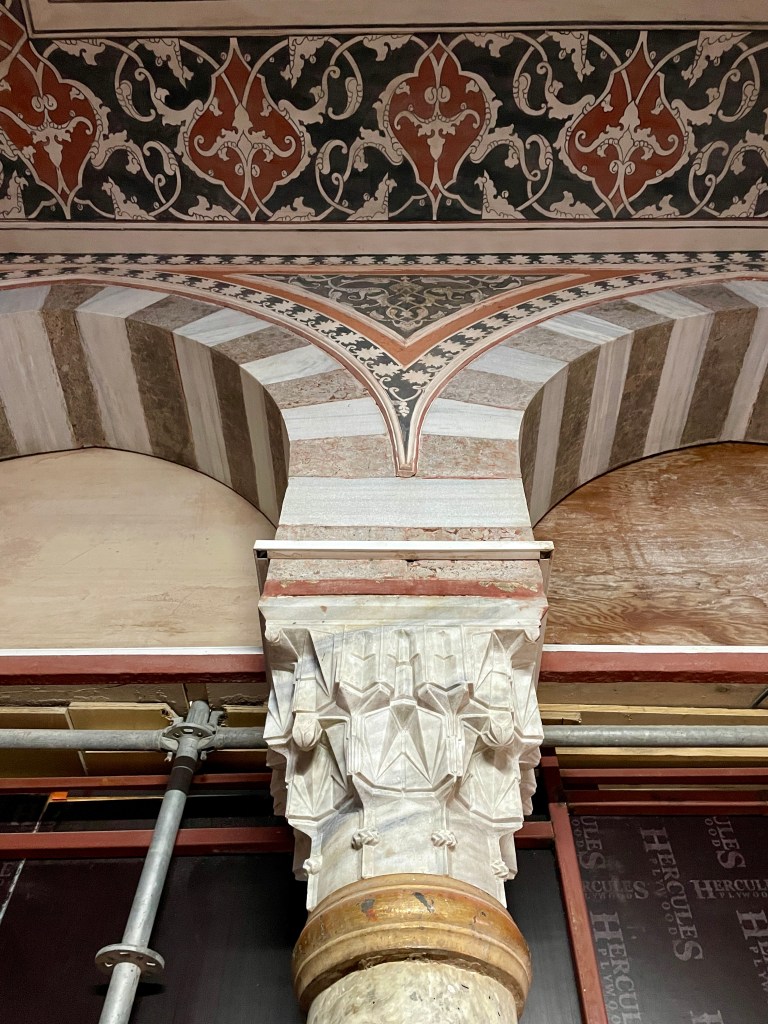

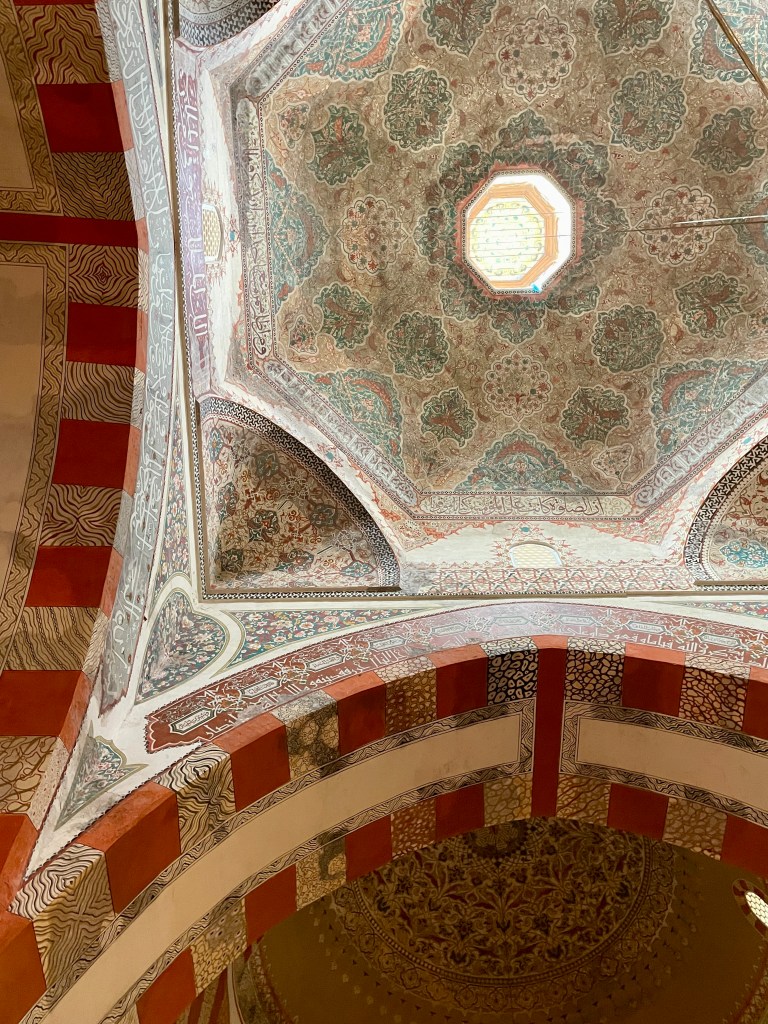
The Selimiye Mosque was designed and executed by Imperial architect Mimar Sinan between 1568-1575. A prolific architect, Sinan completed projects all over the Ottoman Empire, including the Kanuni Sultan Suleiman Bridge located in Büyükçekmece (close to my school).

In 1453, Edirne lost its title when the Ottoman capital was moved to Constantinople (present day Istanbul) but the city remained a summer sanctuary for sultans and rulers. In 1828, Edirne was occupied by the Russians. Next came occupation by the Bulgarians in 1913, then the city was ceded to the Greeks in 1920, and finally restored to Turkish control in 1922.
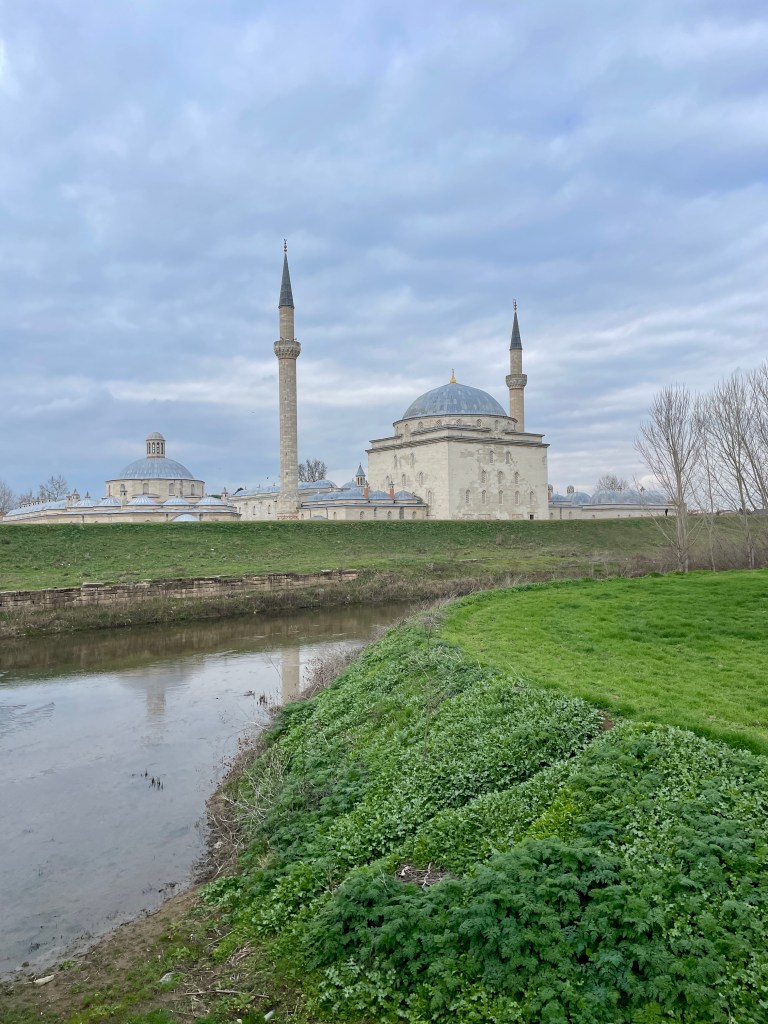

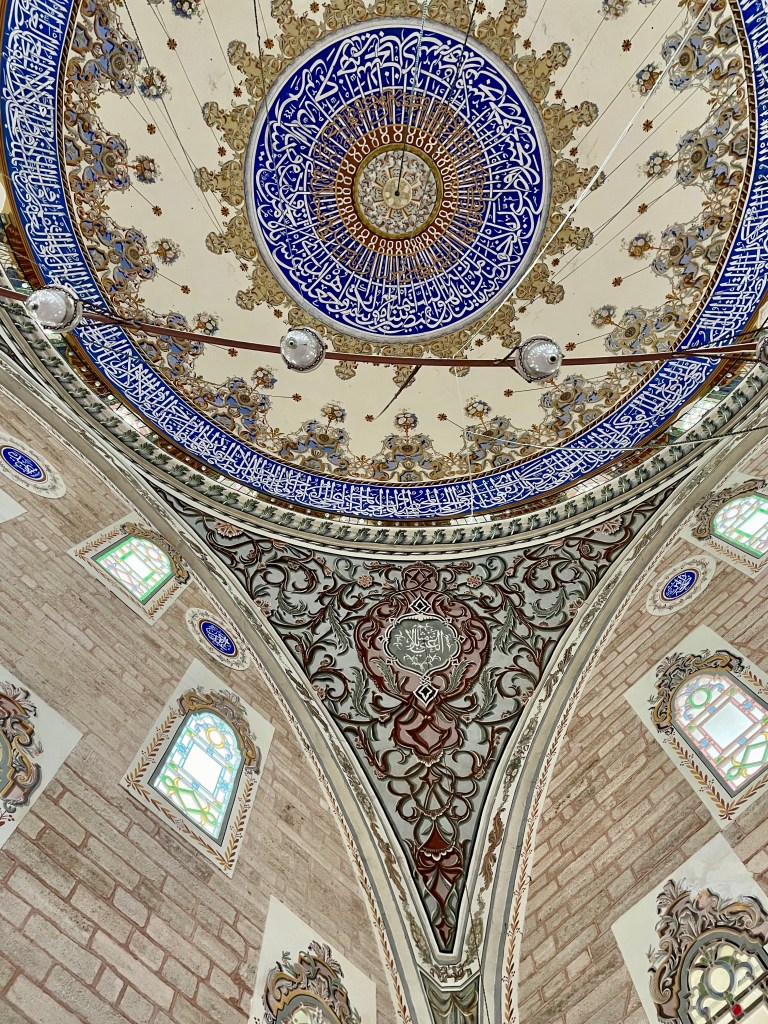
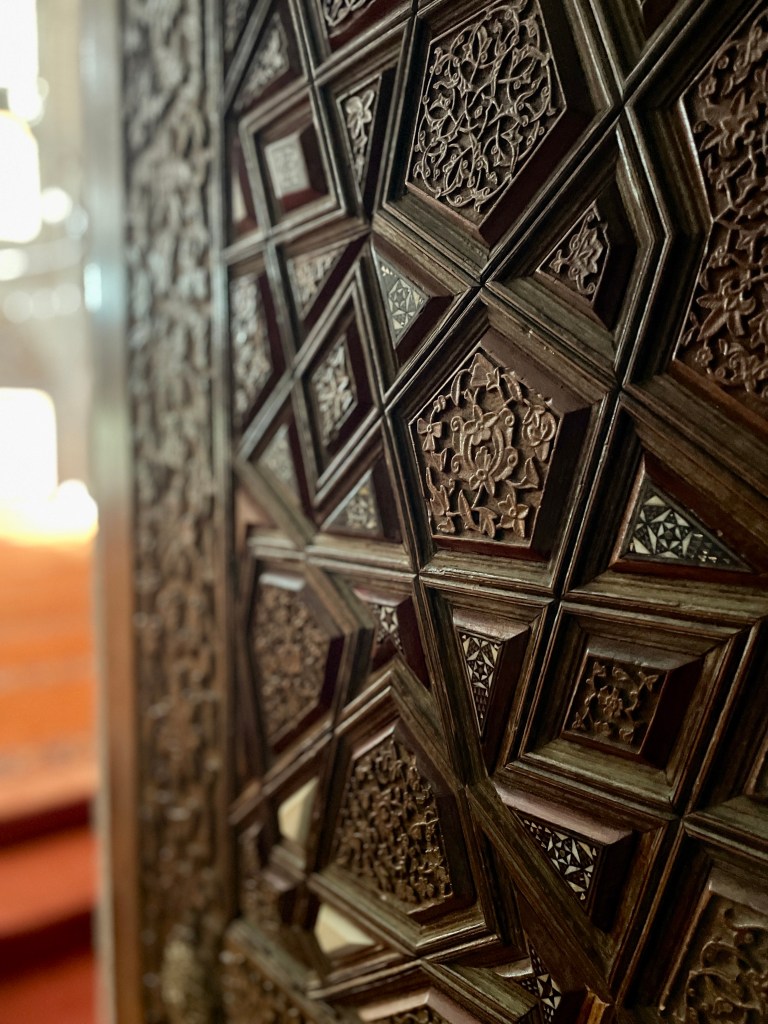
Today Edirne is a tourist destination, known for its mosques, fruit soaps, liver (tava ciğer), and keçecizade, an almond paste (featuring twice as many almonds as marzipan). I felt particularly lucky to visit Edirne on the cusp of Ramadan, a month of fasting, prayer, and reflection.
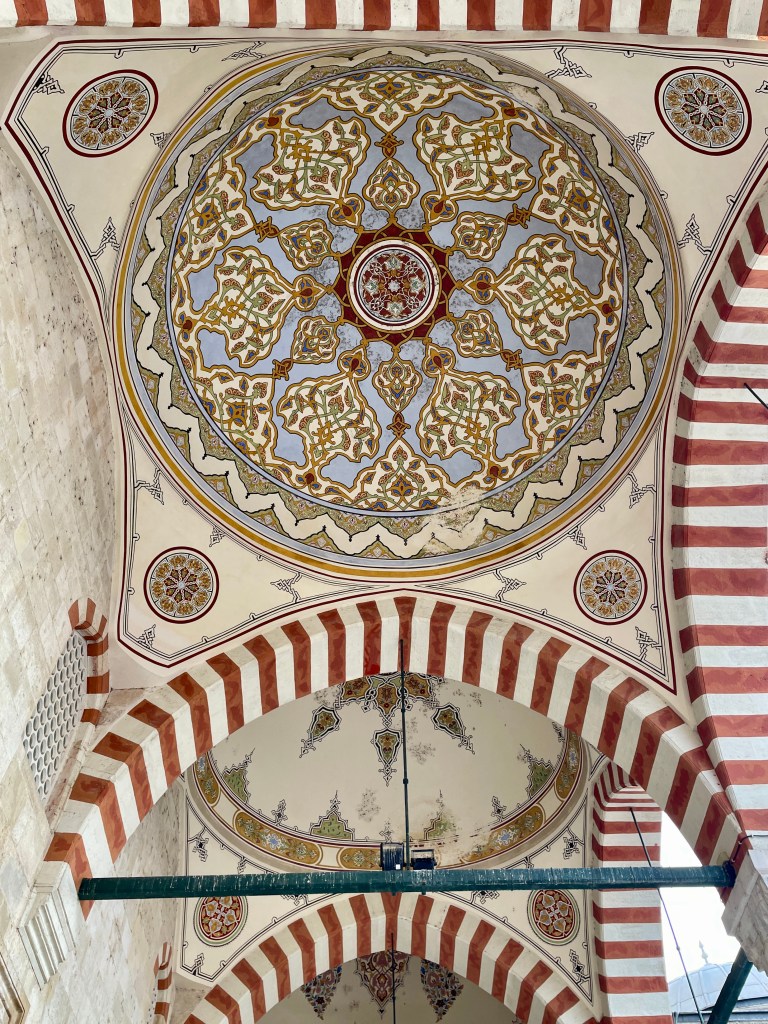
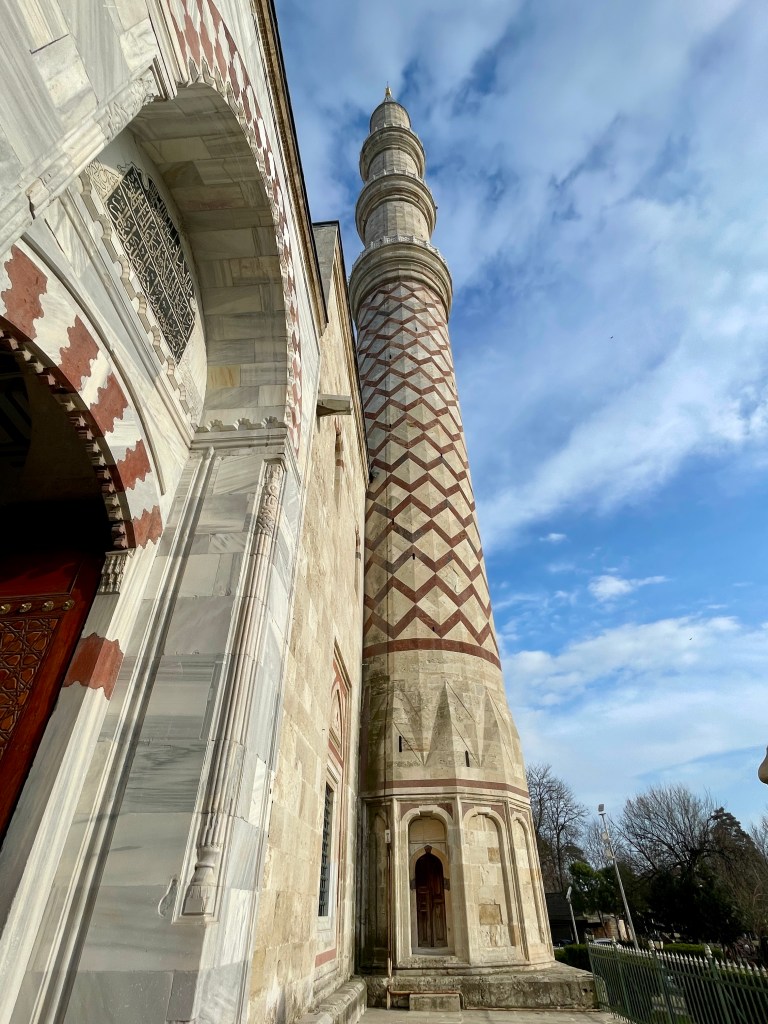
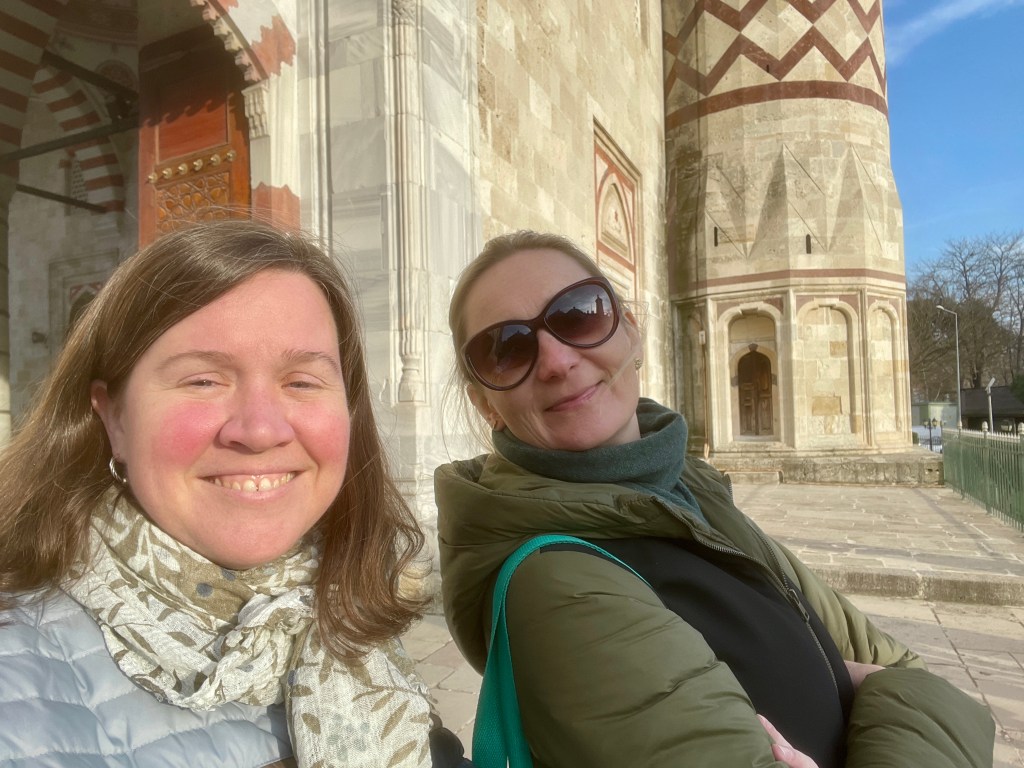
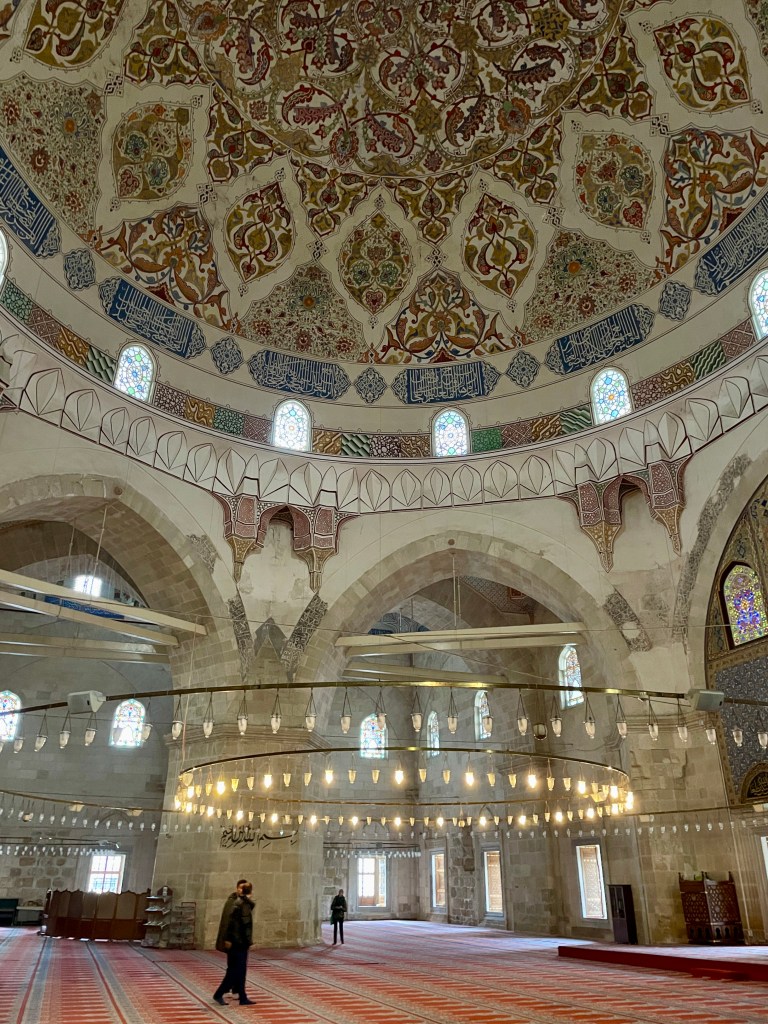
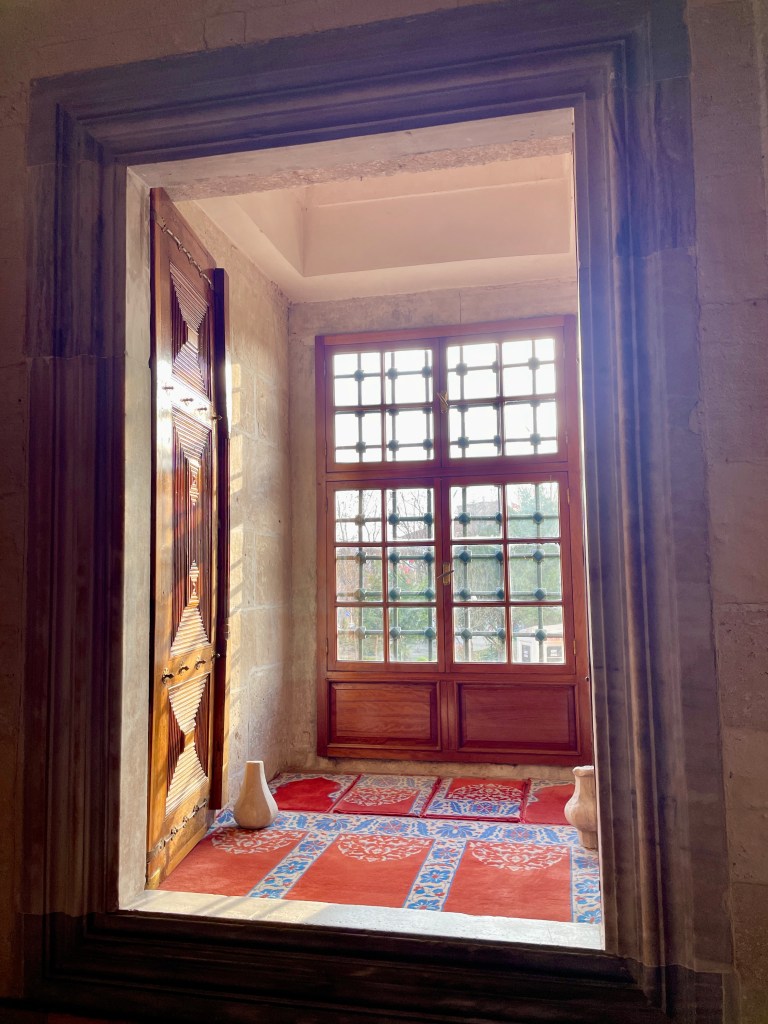
After a day of camii-hopping, we searched for a spot to enjoy a drink. Hard to find in a fairly dry Turkish town, we hit a few roadblocks before discovering Woodhouse around the corner from Papa’s Cafe Bar. As we walked home, the streets were calm once again, devoid of the afternoon tourists seeking their fix of the famous Edirne ciğer.
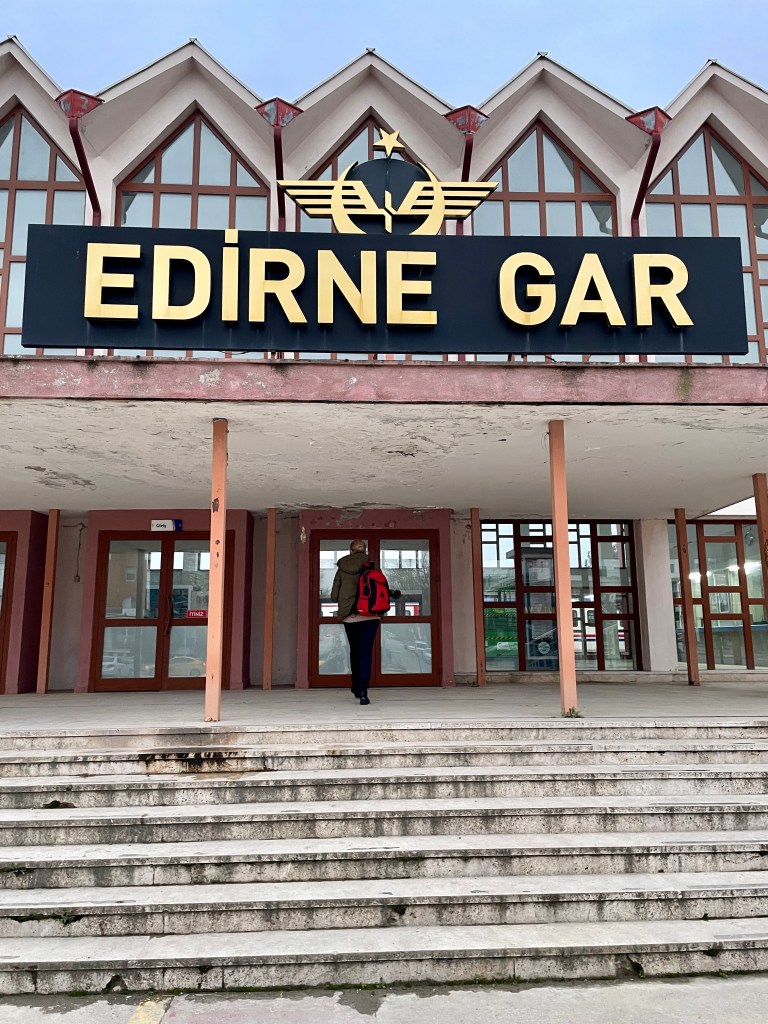
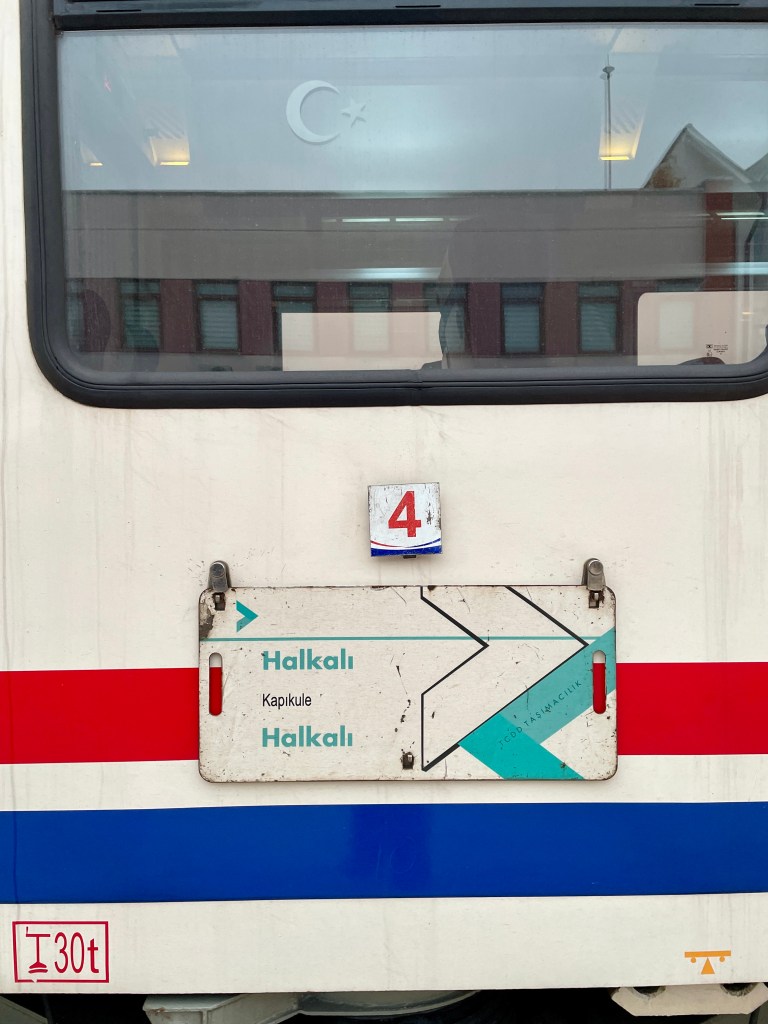
All too soon, it was time to head back to Bahçeşehir. On Sunday morning, we caught our train at the Edirne Gar and enjoyed pastoral views of the Turkish countryside. I am so happy we were able to take this weekend visit to Edirne, leaving me with an even greater appreciation for the accomplishments of the Ottoman Empire. Up next… a visit to Bursa and Iznik with my aunt Susan!


 The Turquoise Chronicles
Thanks for sharing Another visually expressive and delightful journey
<
div>Peg
Sent from my iPhone
<
div dir=”ltr”>
<
blockquote type=”cite”>
LikeLike
Thank you, Peg! Glad you enjoyed 🙂
LikeLike
Very enlightening Meg, thank you. Amazing architecture. Looks like there were no crowds either which is very appealing. Have you been to Izmir?
LikeLike
Thanks, Michael! No crowds at the mosques – they were all there for the liver I have been to Izmir but not for long enough. Loved the vibe, would like to go back.
LikeLike
I can’t wait!
LikeLike